Latin America 2025: Inflation Rates Declined Against All Odds
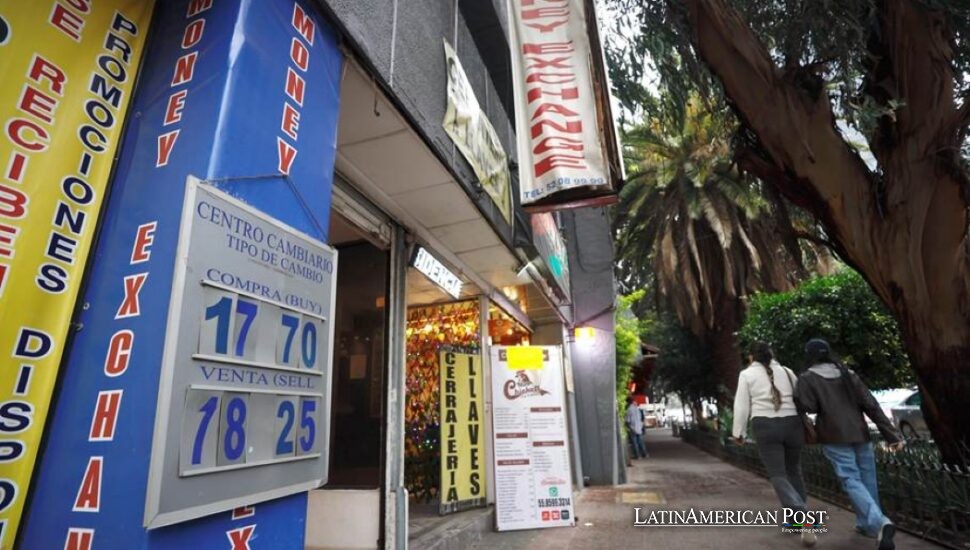
Latin America closed 2025 with inflation easing more than expected, defying fears that global trade shocks and U.S. tariffs would reignite price spirals. Instead, lower food and energy costs, cautious policy, and weaker consumption reshaped the region’s economic mood.
A Region That Bent But Did Not Break
By the end of 2025, inflation across Latin America told a quieter story than many policymakers had feared twelve months earlier. According to the Economic Commission for Latin America and the Caribbean, the region’s median annual inflation settled at 2.4 percent, under the 3 percent forecast that once framed expectations. Even more striking, inflation dipped to 1.8 percent in September, the lowest monthly reading since 2020, signaling that price pressures had cooled decisively.
The reasons were both global and local. International food and energy prices fell, easing pressure on household budgets from Mexico to Chile. Supply chains stabilized after years of disruption. And the tariff storm unleashed by U.S. President Donald Trump, widely expected to ripple through import prices, proved more muted than anticipated. The result was not an economic boom, but a rare pause—a moment in which inflation loosened its grip without collapsing demand entirely.
That balance mattered. For a region long scarred by runaway prices and abrupt policy shifts, lower inflation carries political and social weight. It reshapes wage negotiations, tempers protest, and buys governments time, yet beneath the regional average lay sharp contrasts that reveal how uneven this relief remains.
Targets Met, Targets Missed
Some of the region’s largest economies finished 2025 within the guardrails set by their central banks. Brazil, despite facing 50 percent U.S. tariffs on some exports, ended the year with inflation at 4.26 percent. While above its official 3 percent target, the figure remained within the Central Bank of Brazil’s 1.5 percentage-point tolerance band. It also marked the country’s fifth-lowest inflation result in three decades, a notable achievement in a nation once synonymous with hyperinflation.
Mexico followed a similar path. Inflation closed at 3.69 percent, down from 4.2 percent in 2024, and within the Banco de México target range of 3 percent plus or minus one point. For households, the improvement translated into slower rises in basic goods, even as growth remained modest.
Elsewhere, the picture was harsher. In Argentina, the government of Javier Milei had projected inflation of 18.3 percent for 2025. Reality landed at 31.5 percent—well above target, but still the country’s lowest reading in eight years, and a dramatic fall from the staggering 117.8 percent recorded in 2024. The drop reflected strict fiscal and monetary discipline, but also a steep contraction in consumption, leaving many Argentines feeling the adjustment in their daily lives.
Bolivia experienced a different shock. Inflation surged to 20.4 percent, double the 10 percent of the previous year and the highest annual rate since 1988. A shortage of foreign currency, declining natural gas exports, and the management of long-subsidized fuel prices combined into a perfect storm that pushed costs higher across the economy.
Colombia also exceeded its 3 percent inflation target, closing 2025 at 5.1 percent, the third-highest rate in the region. While slightly lower than 2024, the figure underscored how stubborn price pressures remain even as regional averages improve.
Relief, Deflation, and the Shadows Ahead
Across much of South America and Central America, inflation moved decisively downward. Chile reached its lowest rate in five years, at 3.5 percent, while Peru posted a rate of 1.3 percent, its lowest in eight years. Uruguay fell to 3.65 percent, down from 5.5 percent, and Paraguay eased to 3.1 percent. Nicaragua, Guatemala, and El Salvador also recorded some of their lowest inflation figures in years, reflecting calmer prices but also subdued domestic demand.
Two countries crossed into deflation. Costa Rica closed 2025 with inflation at minus 1.23 percent, and Panama at minus 0.2 percent. While lower prices can sound like relief, persistent deflation raises concerns about stalled consumption and investment, especially in economies reliant on services and trade.
Not every increase signaled a crisis. Ecuador’s inflation rose to 1.91 percent, up from 0.5 percent, mainly due to higher diesel prices after subsidy cuts. Dominican Republic and Honduras both remained within their central banks’ tolerance ranges despite inflation near 5 percent, reflecting controlled but noticeable pressure on households.
The darkest data gaps emerged in Cuba and Venezuela. Official figures placed Cuban inflation at 14.07 percent, the lowest since the pandemic—but the number excludes the informal market that dominates daily life. Independent estimates, including those by economist Pavel Vidal, suggest real inflation closer to 70 percent. Venezuela, meanwhile, has not published official inflation data since November 2024, and independent measurements ceased amid allegations of persecution, leaving citizens navigating prices without reliable benchmarks.
Looking toward 2026, the region’s challenge is fragile continuity. Inflation has cooled since mid-2023, helped by stable exchange rates, moderate global input prices, and lower logistics costs. But uncertainty looms. Future tariff decisions from Washington, volatility in energy markets, and the prospect of tighter U.S. control over oil exploitation in Venezuela could quickly shift the balance.
Keeping inflation contained will demand disciplined monetary policy and credible currency management across the region. The gains of 2025 show that Latin America can bend without breaking. Whether it can hold that line through the next global shock remains the unanswered question shaping kitchens, paychecks, and politics from the Río Grande to Patagonia.
Also Read: Latin America Dollar Temptation Returns as Washington Smells Influence Again