Latin America Ports Remake Soybean Trade as China Builds Futures
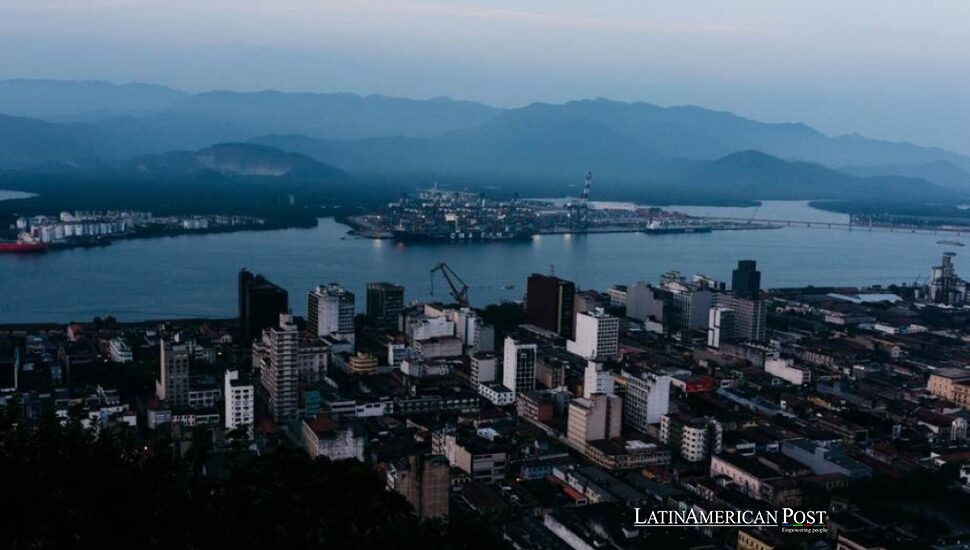
From Brazil’s booming Port of Santos to Peru’s rising Chancay, China is spending billions on ports that move soybeans and strategic minerals. With President Donald Trump escalating tariffs, these docks could harden new routes and sideline U.S. farmers for decades.
Santos and Chancay Make the Map
At the Port of Santos in Brazil, soybeans roll toward the sea through a 58-terminal complex described as the size of 1,500 American football fields. Less than 45 miles from São Paulo, the port moves nearly one-quarter of Brazil’s soybean exports, according to the Arkansas Advocate. For years, the docks were familiar terrain for Archer Daniels Midland, Bunge, and Cargill—private giants that helped set the tempo of global grain, and, by extension, the tempo of rural economies on both sides of the equator.
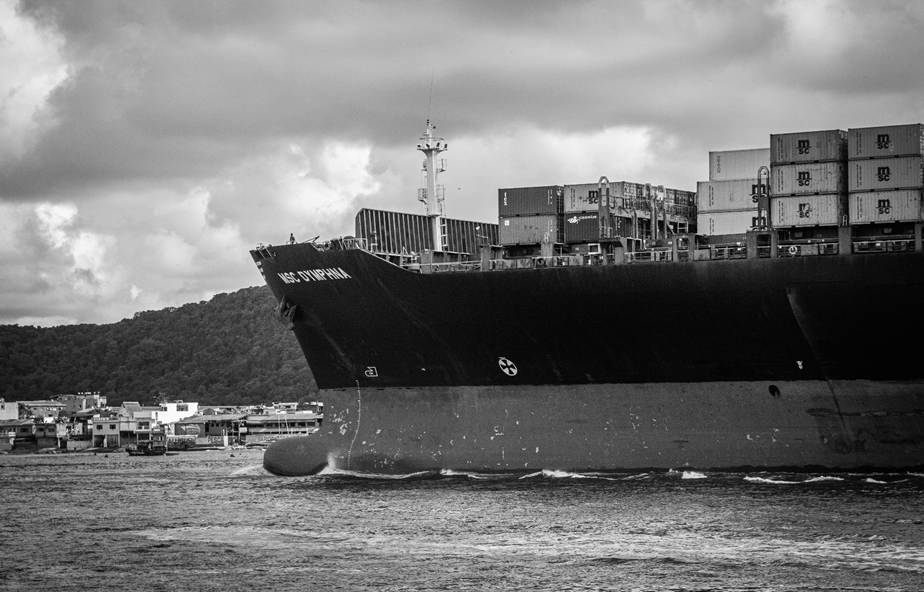
The tempo is changing. The Arkansas Advocate reported that COFCO International, China’s state-owned food conglomerate, has invested about $285 million at Santos, expanding toward what is expected to become the port’s largest dry-bulk terminal. On the Pacific, COSCO Shipping is investing at least $3.5 billion to build the Port of Chancay on Peru’s central coast, including 15 berths and a 1.1-mile tunnel designed to move cargo straight to highways. Once fully operational around 2035, it is expected to rank as the region’s third-largest port and to redistribute exports—from soybeans to copper and lithium—across much of South America.
Tariffs Spark, Infrastructure Stays
From Latin America, the building feels like policy poured into concrete. The Arkansas Advocate linked the surge to China’s pivot away from U.S. farmers after Trump tariffs, a shift that began in 2018 and has intensified as President Donald Trump escalates again. “What are the signs that China’s here to stay [in Latin America]? Really, the infrastructure,” said Henry Ziemer of the Center for Strategic and International Studies. CSIS counts 23 ports in Latin America with some degree of Chinese investment.
Economist Daniel Munch of the American Farm Bureau Federation said that when ports make trade faster, cheaper, and more reliable, flows tend to “lock in.” He noted that none of the United States’ container ports rank among the world’s top 50. The Arkansas Advocate reported more than 270,000 farms grow soybeans, and in 2024 more than 40% of U.S. production was exported, about half to China. In 2025, Trump threatened a 157% tax on Chinese imports; China cut U.S. soybean buying to near zero for six months. A deal announced in November resumed purchases: 12 million metric tons in the final two months of 2025 and at least 25 million metric tons annually through 2028, according to Purdue University and farmdoc Daily.
Farmers and Dockworkers Count the Cost
ECLAC reported that from 2010 to 2022, Latin America supplied nearly one-third of China’s food imports, with Brazil at about 21%. José Manuel Salazar-Xirinachs of ECLAC said transportation and telecommunications account for nearly 60% of Chinese-linked projects. In Brazil, Fernando Bastiani of ESALQ-LOG at the University of São Paulo said logistics can add 20% to 25% to the final soybean price—one reason China has backed infrastructure that also deepens COFCO’s control of storage and shipping.
In the United States, the reroute shows up in port ledgers. The Bureau of Transportation Statistics data cited by the Arkansas Advocate showed soybean exports rose less than 3% in the New Orleans District from September 2024 to September 2025, while the Los Angeles District fell nearly 15% and the Seattle District dropped 81%. At the Port of Los Angeles, executive director Gene Seroka said exports have been “very soft,” blaming retaliatory tariffs by China; before 2018, China accounted for about 60% of the port’s business, now closer to 40%. He said each four containers handled generates one job. For John Bartman of Marengo, Illinois, “It is very difficult to take a market [China] of over a billion people and replace that.” Brazil exported a record 79 million metric tons to China by October, and Caleb Ragland of the American Soybean Association warned U.S. farmers face a trade and financial precipice.
Also Read: Honduras Counts Dollars as Trump Raids Turn Migration into Clocks