Cuban Actor Breaks Dance Myths with Grief, Humor, and Motion
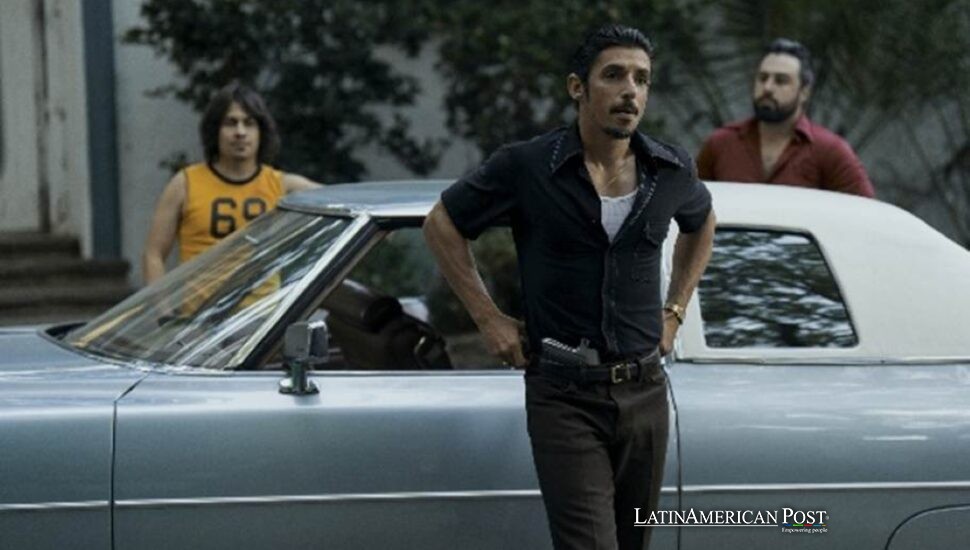
At Sundance, where independent cinema thrives on contradiction, a Cuban actor admits he cannot dance—and turns that confession into a quiet argument about grief, movement, and how Latin American bodies are too often misunderstood on screen.
Unlearning the Cuban Dance Myth
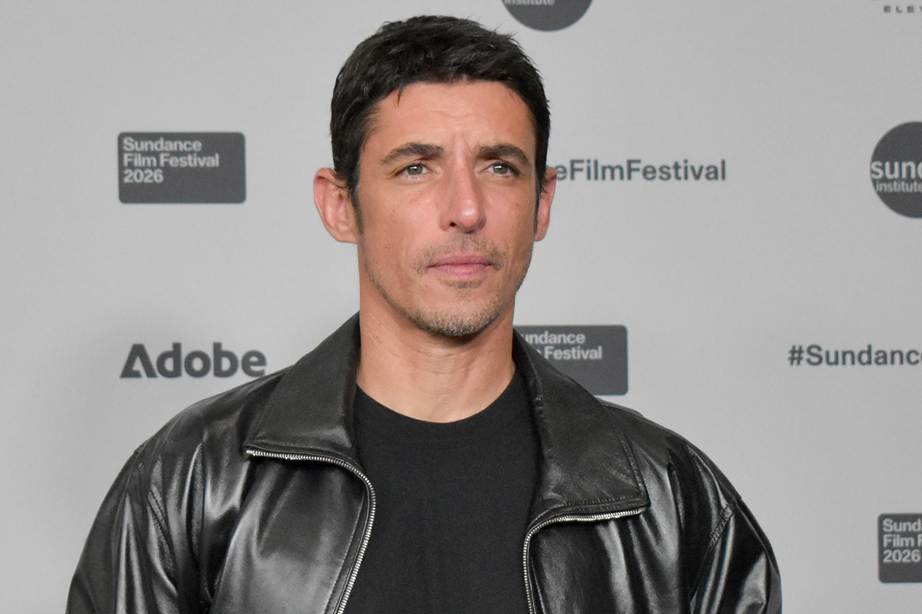
Alberto Guerra knows exactly which stereotype he wants to dismantle first. The idea that all Cubans dance well, he insists, is fiction. Preparing for Ha-chan, Shake Your Booty!, a film competing at the Sundance Film Festival, learning to dance was not a flourish or a gimmick. It was the most challenging part of the job.
“Físicamente me retó muchísimo, ese fue el mayor reto de hacer esta película. Hay como una idea bastante errónea de que todos los cubanos bailamos, yo no,” Guerra told EFE, speaking with the candor of someone aware that the myth flatters even as it confines.
The admission matters because Guerra’s international fame—cemented by his portrayal of Ismael’ El Mayo’ Zambada in Narcos: México—has often been tied to intensity, menace, and controlled stillness. In Ha-chan, Shake Your Booty!, directed by Josef Kubota Wladyka, the Cuban actor is asked to do the opposite: to move, to sway, to let his body speak before words arrive.
The film follows Haru, played by Rinko Kikuchi, and Luis, portrayed by Alejandro Edda, a couple who compete in ballroom dance tournaments in Tokyo, Japan. When tragedy fractures Haru’s life and pulls her away from dance, it is not therapy or discipline that brings her back, but an encounter. Enter Guerra’s character: a sensual Uruguayan dance instructor whose lessons are not limited to technique.
“Es una de esas personas que uno se encuentra rara vez en la vida. Que te van soltando como consejos de vida sin que tú te des cuenta,” Guerra explained, describing the character as someone who teaches without preaching, he told EFE.
In Latin American storytelling, mentors often arrive wrapped in charisma, humor, or contradiction. Guerra’s instructor is less a savior than a catalyst, an “alma libre,” as the actor calls him—free-spirited, transient, resistant to definition.
Training the Body to Tell the Story
To inhabit that freedom, Guerra had to submit to discipline. Two months before filming, his preparation began in earnest, not only to learn choreography but to unlearn the rigid posture of a body trained for stillness.
“Estuve ensayando coreografías y aprendiendo a bailar, pero no nada más eso, los bailarines tienen una postura muy única y una manera de caminar que parece que flotan. Había muchas cosas de este personaje que a mí me interesaba abordar que son muy sutiles,” he said, according to EFE.
Those subtleties are central to Wladyka’s vision. Known for Dirty Hands, the director approaches dance not as spectacle but as language. His camera follows bodies the way others follow dialogue, attentive to weight shifts, hesitations, the quiet grammar of movement. The result is a film that resists easy categorization.
Though officially labeled a drama, Ha-chan, Shake Your Booty! moves freely between tones. Comedy surfaces unexpectedly. Fantasy slips in through gesture and rhythm. Musical interludes echo classic Hollywood traditions without mimicking them. “Es un dramedy,” said actress Cristina Rodlo, who appears briefly in a pivotal moment alongside Damián Alcázar, grounding the story in emotional realism even as it flirts with whimsy, she told EFE.
Before its public screening, Wladyka described the project simply as a “rara y muy única película de baile,” a phrase that feels more like a warning than marketing. This is not a film about winning competitions or mastering form. It is about what happens when movement returns to a life that has stopped.
Grief in Motion Across Cultures
For Alejandro Edda, the film’s power lies in how it treats mourning not as stasis but as process. “Es una historia de duelo con un tema de movimiento. Va desde la cámara, la acción del personaje y la música. Es como el movimiento que necesitamos en la vida para enfrentar situaciones difíciles,” he reflected, he told EFE.
That perspective resonates deeply in a Latin American context, where grief is often communal, embodied, and ritualized—expressed through music, dance, and public gathering as much as through silence. By placing this sensibility in Tokyo, the film creates a dialogue between cultures rather than a clash. Asian restraint meets Latin openness, not as opposites but as complementary ways of surviving loss.
The soundtrack reinforces that fusion. Classic boleros like “Nosotros” by Los Panchos with Eydie Gormé sit alongside “Stay With Me” (Mayonaka no Door), weaving emotional geographies that cross oceans. Music becomes a bridge, reminding viewers that longing travels easily between languages.
This multicultural texture mirrors Wladyka’s own background—an American director with a Polish father and Japanese mother—yet the film avoids flattening difference into novelty. Instead, it lingers on the shared human need to move forward, literally and figuratively, after rupture.
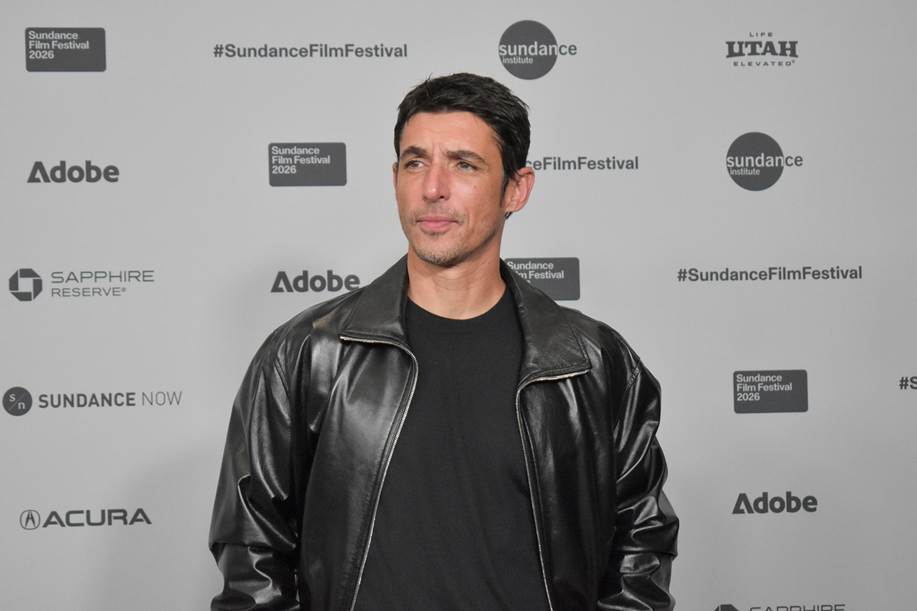
The premiere’s setting adds another layer. The Sundance Film Festival, which runs until February one, is being held for the final time in Park City, Utah, after more than four decades in its historic home. This year’s edition carries a sense of transition, a fitting backdrop for a film about change through motion.
On Friday, the festival will honor its founder, Robert Redford, in a private gala attended by figures such as Amy Redford, director Chloé Zhao, documentarian Ava DuVernay, and actor Ethan Hawke—a reminder of Sundance’s legacy as a space where unconventional stories first learn to walk.
For Guerra, the journey is personal as much as professional. By admitting he cannot dance, and then learning to move anyway, he challenges not only a stereotype but a broader expectation placed on Cuban bodies in global cinema: that they must always be rhythmic, sensual, legible. Ha-chan, Shake Your Booty! argues for something quieter and more radical—that movement can be learned, grief can be shared, and identity is not a performance but a process, practiced step by uncertain step.
Also Read: Why Colombia’s Grief for Yeison Jiménez Runs So Deep: He Gave Voice to Their Pain