Colombia Bets on Drones to Spray Coca Without Spraying Communities
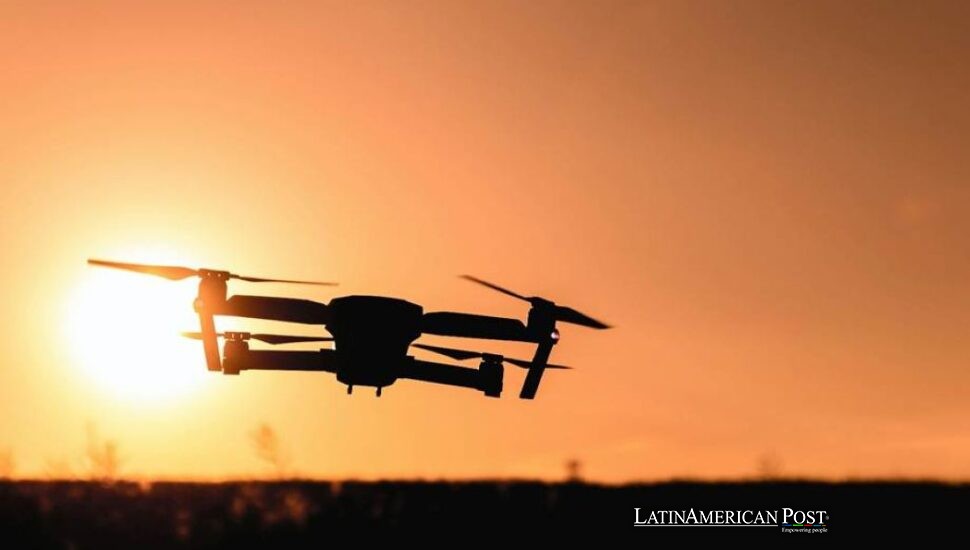
Colombia will resume coca eradication with drones spraying glyphosate, a shift driven by record cocaine output and pressure from the Trump administration. Officials promise tighter targeting, less contamination, and safer troops, but campesino livelihoods and ecosystems remain in the crosshairs.
From Planes to Precision
For families living where coca is grown, the drug war arrives as disruption: a field marked for destruction, a roadblock that stalls commerce, an armed group demanding obedience. On Monday, the government announced it will restart spraying coca crops with a weed killer, using drones rather than aircraft. Justice Minister Andrés Idárraga, in comments reported by The Associated Press, said the action is approved and will begin on Thursday, aimed at areas where gangs and rebel groups are forcing peasants to grow coca, the primary source of cocaine.
The move is a bid to reduce danger for eradication teams. After Colombia suspended aerial fumigation, it expanded manual eradication campaigns carried out by soldiers. But coca spread into remote zones defended by armed groups and, in some places, surrounded by land mines. “Our security forces will be safer,” Idárraga said, describing drones as a way to keep troops farther from ambushes.
Glyphosate’s Long Shadow
Glyphosate returns with baggage. Aerial fumigation was banned in 2015 after the World Health Organization put glyphosate on a list of carcinogens. Environmental activists warned that spray planes—often flown by U.S. contractors—dumped chemicals beyond coca plots, hitting legal crops and streams and exposing villagers to contaminated water.
The drone plan promises a narrower footprint. Idárraga said drones will fly no farther than 1.5 meters (5 feet) from their targets so that water sources and legal crops are not sprayed. One drone, he added, can eradicate about one hectare every 30 minutes. “This is a controlled and efficient” way, he said, adding that “it mitigates environmental risks,” according to The Associated Press.
Yet “precision” can still look like punishment when poverty is the backdrop. Coca persists because legal markets are distant and credit is scarce, and in many places armed groups set the rules. Studies in the International Journal of Drug Policy and World Development have described how eradication can displace cultivation into new zones unless it is paired with real rural alternatives, the “balloon effect.” Debates in Environmental Health Perspectives also show how chemical-risk fears can harden distrust when institutions already feel absent.
Pressure From Washington and Pressure at Home
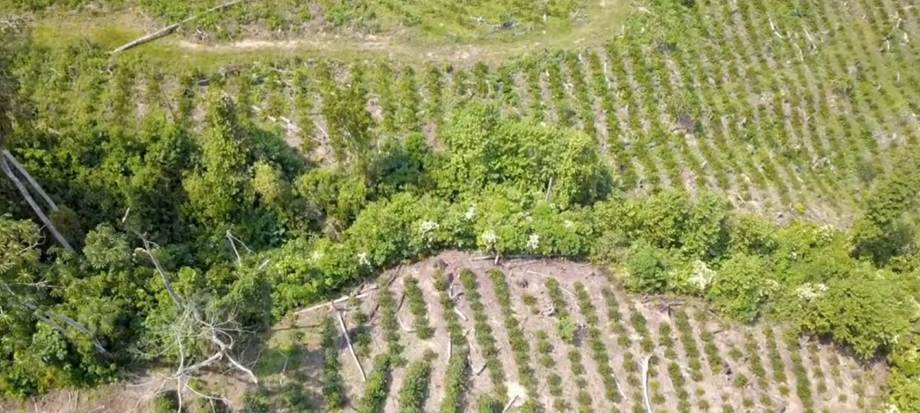
The urgency is driven by scale. The United Nations Office on Drugs and Crime estimates that in 2024 as much as 261,000 hectares (about 645,000 acres) in Colombia were planted with coca, almost double what was planted in 2016. Those record levels have sharpened tensions with the Trump administration, which has criticized the 2015 fumigation halt and accused President Gustavo Petro of not doing enough to curb cocaine production.
In September, Washington added Colombia to a list of nations failing to cooperate in the drug war for the first time in almost 30 years, jeopardizing millions of dollars in military and economic cooperation. In October, the U.S. imposed sanctions on Petro, accusing him of allowing “drug cartels to flourish” in the country. More recently, the United States threatened to authorize land strikes against traffickers in Colombia, language that lands uneasily across Latin America.
The drone idea itself was first floated in 2018 under right-wing President Iván Duque, then delayed by lack of consensus in agencies and parliament. Petro initially dismissed fumigation and forced eradication, saying the state should not punish impoverished peasants who lack legal alternatives. This year, his government turned more aggressive as rebel groups funded by the illegal drug trade, and unwilling to sign peace agreements, stepped up attacks in Colombian cities.
Petro has vehemently denied U.S. accusations, saying Colombian security forces are intercepting record cocaine shipments even as the nation produces record amounts of the drug. Drones may help the state spray closer and measure results faster. But in the countryside, legitimacy is measured differently: whether a child can drink from a stream without fear, whether a family can sell a legal harvest without paying a gunman, whether the government arrives with roads and credit before it arrives with chemicals.
Also Read: Dominican Republic Cave Bones Reveal Bees’ Strange Ancient Nursery Secrets