Brazilian Paquetá Comes Home as Football’s Mental Toll Surfaces
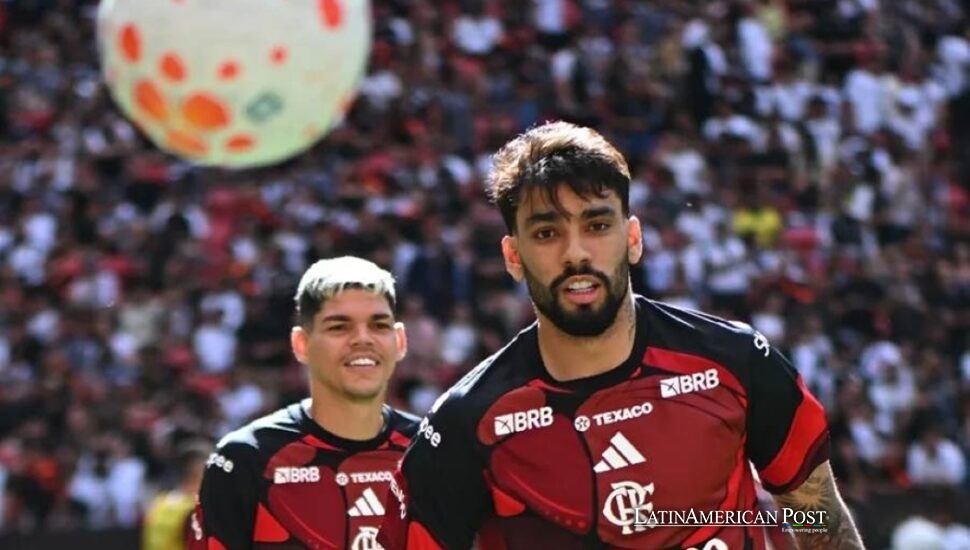
Lucas Paquetá landed in Rio de Janeiro to rejoin Flamengo in Brazil’s costliest deal, a €42 million move from West Ham. Behind the airport cheers sits a tense exit, a betting probe, and a club debate over duty at home.
A Shirt From the Stands
At the airport in Rio de Janeiro, the welcome is not staged so much as compressed. People press forward because there is only so much space and only so much time before doors close and the moment becomes rumor. The air feels warm and used. There is the smell of travel and bodies and the faint sharpness that follows a plane. Nearby, phones rise almost automatically, that everyday reflex that turns a crowd into an archive.
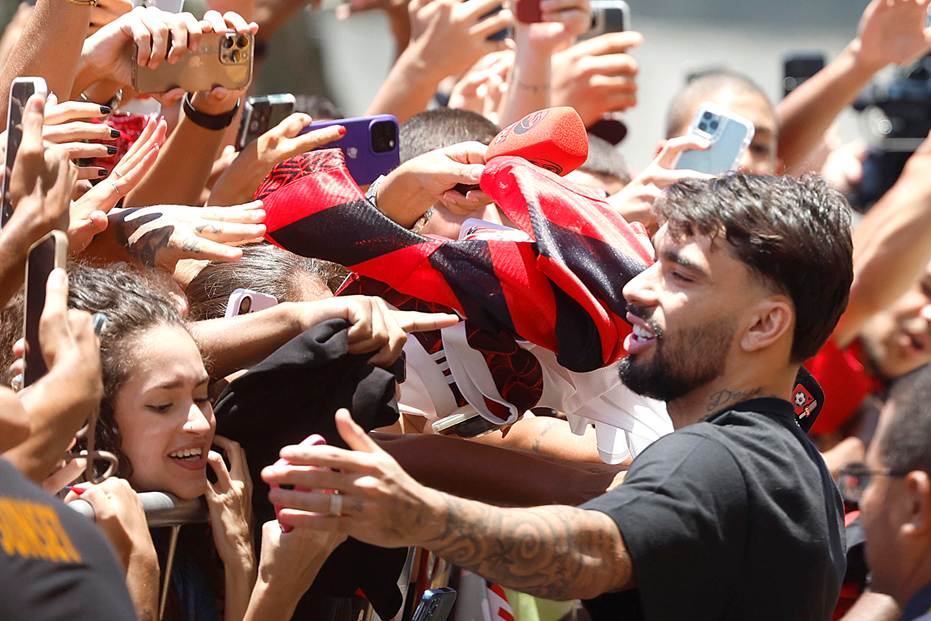
Paquetá arrives on a private flight from England with his wife and two children. About two hundred Flamengo fans are waiting. It is loud in the particular way football crowds are audible, not chaotic, just insistently present. A player steps into the noise, and the noise tries to fold him back into its story.
He does a small thing that carries weight in a club like this. He puts on a shirt from an organized supporters’ group, and then he walks toward the fans. He greets several personally. He takes photos. It lasts about ten minutes, which is long enough for a few people to feel they touched the day, and short enough that it still feels like a glimpse.
“I needed this. I have always been very Flamengo. Nothing took it out of my head that one day I would return home. Maybe Flamengo did not need me, but I needed Flamengo,” Paquetá said in comments carried by the club’s official channel as fans crowded close.
That sentence does more than declare affection. It explains why this transfer happened the way it did, and why the money, the contract, and the timing are only the outer shell.
Flamengo confirmed the signing the day before his arrival, calling it the most expensive transfer in Brazil. The fee, forty-two million euros, is the headline number, the one that makes the deal sound like pure ambition. The club announced the contract would run through 2030. The plan is immediate: medical exams, presentation, training, and paperwork, all completed fast enough to register him by Friday.
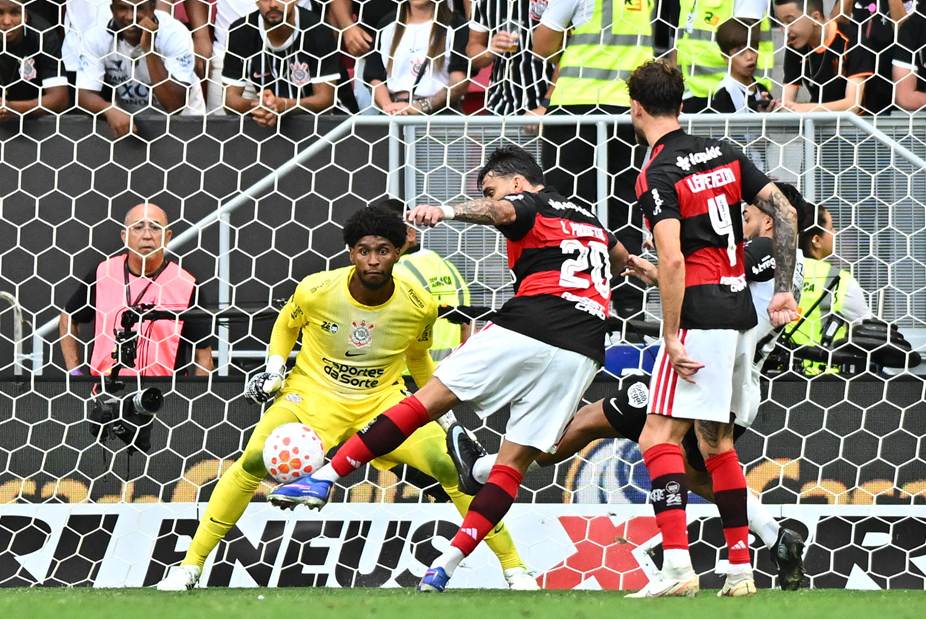
If registration is completed in time, Flamengo hopes he can debut on Sunday in the Supercopa do Brasil final in Brasilia against Corinthians, the Brazilian champion facing the Copa do Brasil champion for the first title of the season. The schedule reads like certainty. But the trouble is that certainty is precisely what Paquetá has been short of.
He says he is physically ready to play immediately. He also says the fans’ affection mattered, especially after what he calls the investigations in England into his alleged involvement in a betting network. He says the messages and requests for him to return supported his decision to come back. In that crowded airport microscene, it becomes clear that the transfer is not being sold solely as a football deal. It is being sold as a kind of repair.
What West Ham Did Not Say
For West Ham, the goodbye was not gentle. The club confirmed Paquetá had permission to join Flamengo and thanked management, players, staff, and supporters for the backing they gave him, particularly during the past two and a half years. But there was no direct thank-you to Paquetá himself.
In football, omissions can be louder than speeches. A club can praise the infrastructure around a player and still communicate disappointment with the player. That is what the statement suggested, a sourness that had thickened over his final months in London.
Paquetá, twenty-eight, had not been involved for West Ham since a two-to-one home loss to Nottingham Forest on January six. He was substituted in the sixty-third minute due to a back spasm. Some club sources described the injury as minor. Other voices pushed back. What matters for the transfer story is that by then, he had entered the final eighteen months of his contract, and he was no longer moving like a player entirely inside the project.
He asked not to play in the FA Cup third round against Queens Park Rangers on January eleven. He did not feature against Sunderland as West Ham recorded their third win in a row. He missed the two-to-one victory over Tottenham Hotspur on January seventeen with a back injury. In parallel, negotiations with Flamengo intensified, and the noise around his situation grew.
West Ham initially resisted. Their Premier League position was precarious, and they valued him higher than Flamengo’s first bids. Flamengo opened with thirty-five million euros, which was rejected. A second offer came with thirty-eight million euros plus four million in add-ons. West Ham rejected that, too. The club explored conditions that would keep him available, including a proposal to sell him but have him return on loan. Flamengo wanted him immediately.
Inside the club, the coach tried to persuade him to stay through the season. Yet the player’s stance hardened. After the Nottingham Forest defeat, sources said Paquetá told head coach Nuno Espirito Santo he was not in the right frame of mind to play. Senior figures believed the long betting investigation by the Football Association had mentally affected him. The probe ended with him being cleared in July two thousand twenty five, but clearing is not the same thing as erasing.
Even when a player is cleared, the months of accusations do not neatly disappear. The wager here is that fans, clubs, and leagues want players to behave like machines and then seem surprised when the human part resists.
West Ham said the investigation took two years to resolve and caused him significant mental strain. The club said it did everything possible to persuade him to stay, but he remained adamant that he wished to leave for personal and family reasons and make a fresh start in Brazil. The club reluctantly accepted his transfer request.
Nuno Espirito Santo sounded more conciliatory in public. “Lucas was clear he wanted to go home,” he said. He called him a special player and a special person. He said the club would move forward.
Paquetá then spoke in a farewell video, describing scars, peace, and a desire to find joy in football again. He said he needed it for his mental health, his wife, and his children. He said he was going home.
That is the untold center of the transfer. Not that Flamengo spent big. Not that West Ham cashed in. The deeper story is that a player framed departure as a necessity, not a preference, and a club publicly acknowledged strain while privately signaling bitterness.
Record Money, Old Questions
On the field, Paquetá’s résumé in Europe is straightforward. He moved from Flamengo to Milan in two thousand nineteen, then played for Lyon, then joined West Ham in the summer of two thousand twenty two. He made one hundred thirty-nine appearances for West Ham, scoring twenty-three goals with fifteen assists. This season, his fourth at the club, he played nineteen times.
His trajectory also shows what prolonged uncertainty does to a career. He attracted interest from Manchester City in 2023, a move that did not go ahead due to the Football Association’s investigation into alleged betting breaches. He later drew interest from Aston Villa. Through it all, he remained a player good enough to be desired, and troubled enough to be complicated.
For Flamengo, the transfer is being framed as a homecoming and a competitive advantage. The club is the 2025 Serie A champion after finishing third the season before. It has reopened a route it once depended on: developing talent, exporting it, then pulling it back when the player is mature, and the club is strong.
But this is not only about strategy. It is also about the political economy of Brazilian football, where the country’s biggest clubs can now summon players back with money that once flowed almost exclusively outward. A record deal becomes a statement that the center of gravity is not fixed.
Still, record fees do not cancel old problems. Brazilian clubs bring players into an intensely public world, with organized supporters, constant scrutiny, and pressure that never lets up. If Paquetá is returning to regain peace, the contradiction is sharp. Rio is not quiet. Flamengo is not silent. The comfort is not silence. The comfort is belonging.
That is why the airport scene matters more than any press release. Ten minutes of greeting and photographs can sound trivial, but it is a form of reentry. It is the player touching the people who carried him in his absence, and the people testing whether he is truly back.
It also pushes a policy dispute into view. What do clubs owe a player they publicly defend during a lengthy investigation? What does a player owe a club that says it protected him? West Ham’s statement thanked everyone except him. Paquetá’s goodbye thanked staff, employees, and players, but it also insisted he could not keep fighting battles that were no longer his. Both sides sound wounded. Both sides sound sure they are being fair.
In Latin American football culture, ‘home’ is not a neutral term. It carries class, family, neighborhood, and the idea that dignity can be restored by returning to where you first mattered. That belief can be true and still costly.
On Sunday, if paperwork aligns, Paquetá may debut quickly in Brasilia, chasing a first trophy back in red and black. The public story will be football again, as it always is. But underneath, the transfer will continue to argue with itself—a record fee as a celebration. A return is a necessity. A player saying he needed a club, and a club deciding, at least for now, it requires him too.
Also Read: Colombians Face the Legacy of Lucho Herrera and a Dark Allegation