El Niño’s Double Edge: Chile’s Desert Blooms as Latin America Faces Peril
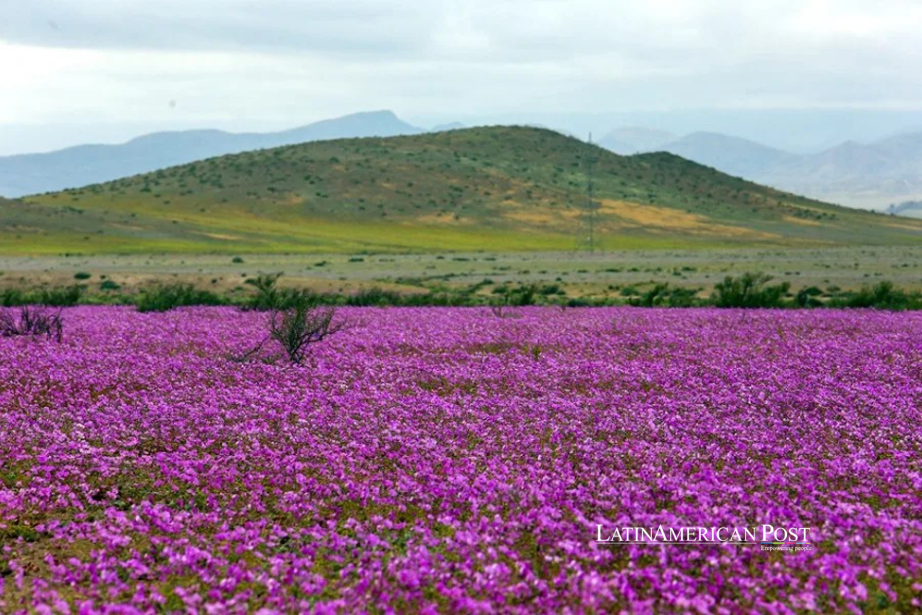
Chile’s Atacama Desert is flowering after exceptional winter rains, offering native plants a rare reproductive opening and tourism a seasonal boost. Yet the same El Niño driving this spectacle threatens floods, drought, and disrupted livelihoods across an economically unequal region.
A Bloom With Real Benefits
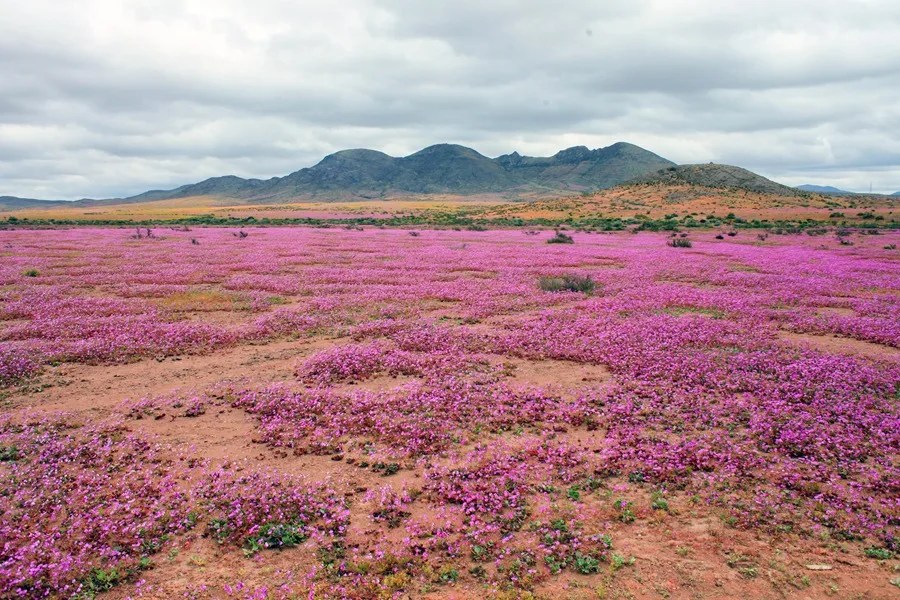
At Llanos de Challe National Park, flowers interrupt the desert’s familiar palette of red earth and rock. Fuchsia spreads across ground that usually appears inhospitable. EFE’s reporting captures a remarkable transformation in northern Chile, where more than 200 native species are participating in one of the most extensive flowering episodes since 1997.
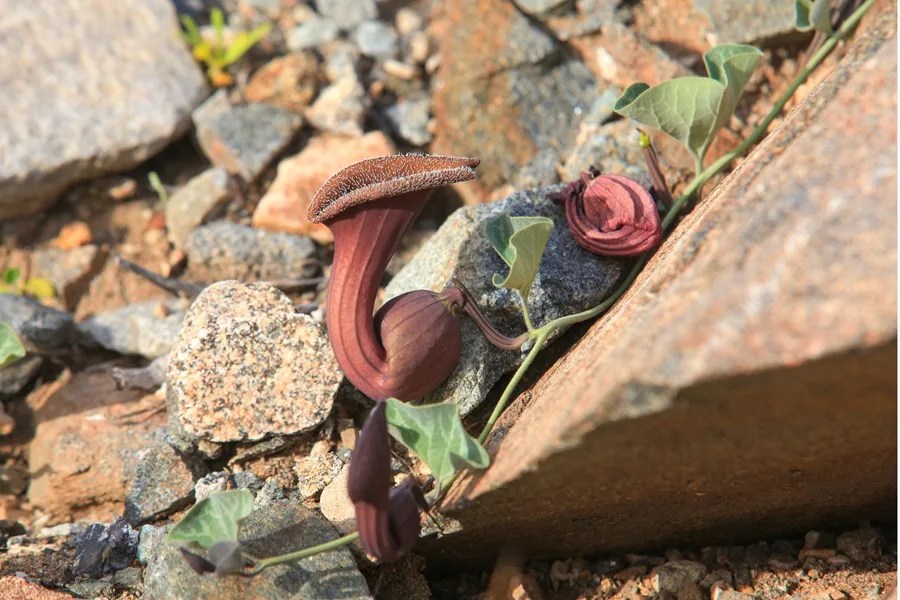
The spectacle has ecological substance. Seeds, bulbs, and rhizomes survive beneath dry ground, waiting for winter moisture. Rain activates that stored capacity for growth. Flowering creates an opportunity to reproduce and replenish the reserves from which future generations emerge. For these plants, a wet season can support a cycle extending well beyond the weeks when visitors see color.
Chile’s forestry agency, CONAF, estimates that the flowering covers 17,000 square kilometers, equivalent to 23 percent of the Atacama administrative region. That is nearly a quarter of the region, rather than the entire desert, which stretches roughly 1,600 kilometers along Chile’s northern coast. The distinction matters when spectacular photographs suggest that a vast, varied landscape has changed uniformly.
Vallenar received 183.5 millimeters of rain between July and September, about 7.2 inches. A seasonal total, however, cannot show how quickly individual storms delivered their water. Plants respond to usable moisture; communities also face the consequences when water arrives faster than slopes, channels, and drainage systems can safely accommodate. More rain does not produce benefits in a straight line.
The Storm Behind the Spectacle
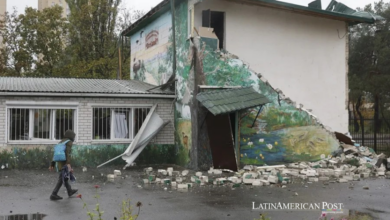
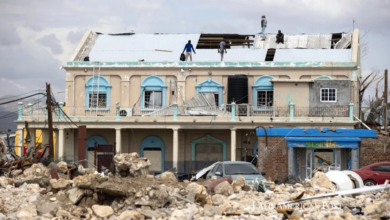
The same winter storms brought floods and mudslides to northern Chile, affecting dozens of homes, EFE reported. That gives the debate an immediate human scale. A flowering landscape and a damaged house can belong to the same season, even the same locality. The person earning money from visitors and the family paying for repairs may experience radically different outcomes.
The wider outlook warrants concern. On October 26, the World Meteorological Organization said tropical Pacific surface temperatures could reach 3.8 degrees Celsius above average during November through January. Its outlook identifies increased drought risk in parts of Central America, the southern Caribbean and the Amazon, alongside wetter conditions in southern portions of western South America. These are regional probabilities, rather than guarantees of devastation in every community. wmo.int
That unevenness matters economically. Drought can reduce harvests and strain water supplies while floods damage roads needed to move food and workers. Where households have little savings, even a temporary interruption can become a prolonged income crisis. Judging El Niño by flower coverage would overlook the systems that keep communities supplied, connected, and employed.
The ocean presents another warning. According to the Food and Agriculture Organization, El Niño weakens the cold, nutrient-rich upwelling supporting fisheries off western South America, making anchoveta harder to catch. FAO also links the 2015–2016 event to a marine heatwave and harmful algal blooms in southern Chile that destroyed more than 40,000 metric tons of farmed salmon, costing about $800 million. fao.org
That historical loss illustrates exposure, not this season’s bill. It also shows why the desert’s biological response cannot stand for the whole country’s ecology. Conditions allowing dormant flowers to emerge can coincide with disruption elsewhere in the same Pacific system. A local ecological gain offers little basis for declaring a national or continental economic dividend.
Visitors Bring Opportunity and Pressure
Authorities expect record tourism, with thousands traveling to see the flowers. Those expectations represent a commercial opportunity, but visitor forecasts are not receipts. Establishing the benefit would require actual spending figures, the share retained by local businesses and the costs of managing access. None of those amounts is established by the flowering area alone.
This distinction matters especially for households already affected by flooding. Revenue earned by accommodation providers or guides does not automatically compensate residents whose homes were damaged. Public decisions about recovery and preparedness should therefore consider who gains and who bears the costs, rather than treating tourism growth as a substitute for assistance. Seasonal business income can arrive quickly, while damaged housing and infrastructure can demand spending long after the visitors leave. That timing mismatch makes it essential to distinguish a brief revenue surge from a durable improvement in household security.
Conservation also requires a careful balance. Most flowers are expected to disappear during November, although hardier species can persist into January. The short viewing season can concentrate visitors into a narrow window. Marked routes, controlled vehicle access, and protection from flower picking would help preserve the plants’ opportunity to mature and reproduce.
For local businesses, the season can bring welcome earnings. For native plants, it offers a genuine opening in an exceptionally dry environment. Those benefits deserve recognition alongside practical preparations for dangerous weather: keeping access routes usable, communicating warnings, and helping households recover. Celebrating the bloom and preparing for losses are compatible responsibilities.
The flowers answer one question clearly: some desert life benefits from this rain. Whether El Niño is good for Chile or Latin America requires a much broader accounting. The honest verdict is a valuable local gain amid serious, uneven regional risks. Enjoy the color, but keep those risks in mind, especially once the flowers disappear.