Caribbean Nations Bring Britain a Slavery Bill That Royal Regret Cannot Settle
Caribbean governments are pressing Britain for slavery reparations extending beyond money to debt relief, education and public health. As King Charles III visits the region, the dispute tests inherited responsibility, historical evidence, and whether acknowledgment can become meaningful material repair.
A Demand Larger Than Money
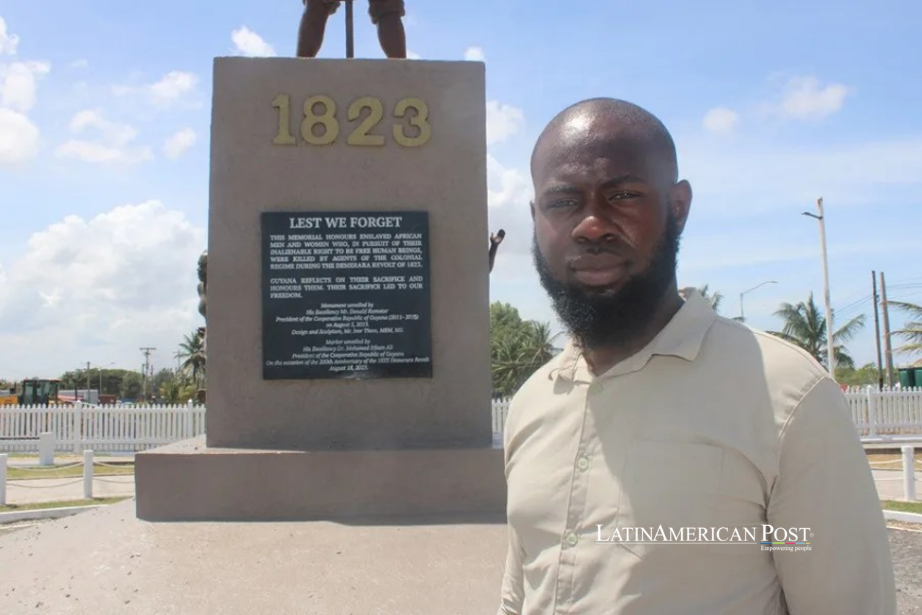
Georgetown’s monument to the 1823 rebellion commemorates people who resisted being treated as property. Community organizer Kibwe Copeland of The Repair Campaign wants Britain’s monarchy to move beyond sorrow. “The British must acknowledge this,” he told EFE. Behind that demand sits a harder question: what would acknowledgment require once the royal visit is over?
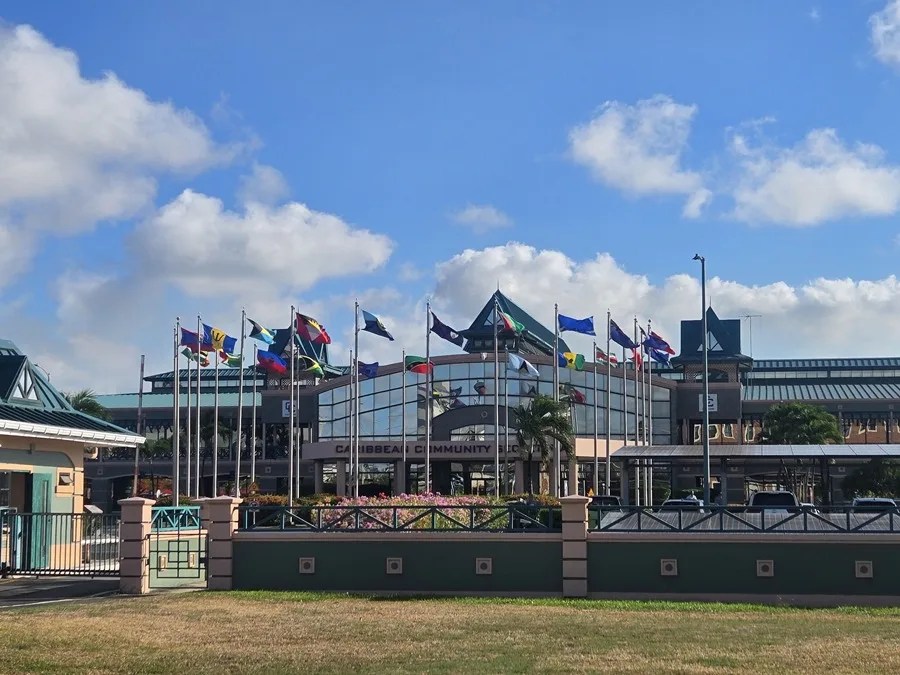
Caricom, the Caribbean Community, plans to press its demand at the Commonwealth gathering in Antigua and Barbuda, a former British colony. Its 15 members have maintained a reparations commission since 2013. The Commonwealth’s 56 countries offer a wider diplomatic stage, although shared historical ties to Britain do not automatically produce agreement about compensation or responsibility.
Secretary General Carla Barnett calls this a crucial moment after a United Nations resolution describing the trafficking of enslaved Africans as humanity’s gravest crime. That endorsement strengthens the campaign’s moral standing. It leaves the practical questions open: which institutions owe a remedy, how much harm can be established, and what form of repair would actually reach affected communities.
Hilary Beckles, the Barbadian historian leading CARICOM’s commission, frames the demand around restored dignity and development partnerships. The ten-point plan extends from monetary compensation and debt cancellation to health, education and cultural recovery. It also addresses Indigenous communities and gender injustice. The breadth matters: a settlement could be judged by improved public services and addressed historical injuries, alongside any money transferred.

Who Should Carry the Debt
The strongest argument for reparations concerns institutional responsibility. Governments and enduring organizations can inherit obligations associated with their predecessors, even when today’s citizens committed no original offense. Supporters must connect that principle to evidence: who benefited, what damage persisted, and which present disadvantages plausibly follow from slavery and colonial extraction. Historical continuity makes a claim arguable; documentation makes it assessable.
Copeland told EFE that the harm continues to affect people’s lives. He identifies Africans reduced to property, Indigenous peoples dispossessed of land, and indentured workers subjected to brutality. Those histories strengthen the demand for recognition while complicating its design. Different injuries, periods and communities would require distinct evidence and remedies, rather than a single undifferentiated category of Caribbean suffering.
The strongest objection starts with attribution. Present poverty and public debt have multiple causes, including post-independence decisions. Calculating the continuing damage attributable to slavery requires separating interacting causes across generations. A persuasive claim needs to explain which injuries endure and how a proposed remedy addresses them. Historical responsibility can persist even when later decisions also matter.
Another objection concerns who would pay. A demand on today’s British taxpayers would reach people who never enslaved anybody and whose family histories may include colonial dispossession. The counterargument is that public obligations attach to continuing institutions, whose responsibilities extend beyond individual ancestry. The ethical dispute therefore concerns how institutions should repair inherited harm when personal guilt is absent.
Accountability presents a further test. Debt cancellation could free public resources, but beneficiaries would depend on the debts covered and how governments used the savings. Health and education programs could target identifiable needs, provided outcomes were independently assessed. An apology could restore recognition without repairing material disadvantage. Each instrument answers a different part of the demand; none should escape scrutiny.
The Limits of Royal Regret
Britain’s government has drawn its own line, reiterating on September 7 that it “does not and will not” pay reparations. That refusal states a position without resolving the competing arguments. With no agreed compensation figure presented, claims about either affordability or an intolerable fiscal burden remain premature. Negotiation would have to establish the scale, timetable and form of any commitment.
Charles III cannot settle those terms himself. As a constitutional monarch, he requires government approval for formal commitments on apologies or reparations. In the Bahamas, he acknowledged past suffering and injustice while emphasizing future opportunities. Beckles wants him to use his Commonwealth position to encourage dialogue. That is a request for political influence within constitutional limits, rather than a royal signature on a check.
The distinction also explains why repeated expressions of regret leave campaigners dissatisfied. Sorrow acknowledges an atrocity; reparative negotiation asks who must act on its consequences. Yet symbolic acknowledgment has value in itself, particularly when victims’ descendants seek public recognition of what was done. Its usefulness depends partly on whether it opens a process or substitutes for one.
Any settlement would also need to distinguish reparations from ordinary development assistance. If existing aid were renamed, the promise of repair could deliver little additional benefit. If funds were new, transparent allocation would help establish who gains. A credible agreement would need both governments and affected communities to set priorities, especially where Indigenous claims concern land and cultural survival.
For Caribbean communities, the test is whether negotiations would produce something people can recognize in their lives: a better clinic, access to education, protection for land and culture. For Britain, the challenge is to examine responsibility without confusing it with personal guilt. The divide will narrow only when both sides discuss specific remedies. Royal sorrow can open that conversation. It cannot deliver the settlement.