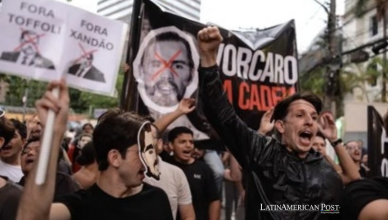
Brazil Cuts Working Hours as Lula Races to Beat the Election Clock
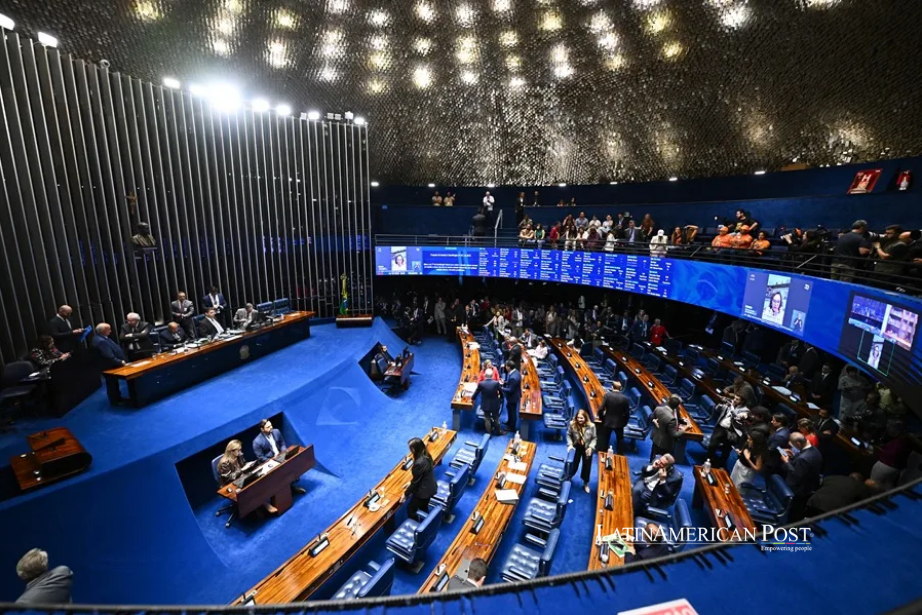
Brazil’s Senate has approved a 40-hour workweek without cutting pay, handing Lula a powerful campaign victory before the presidential runoff. For millions of workers, the stakes reach beyond election arithmetic into family life, exhaustion, and who controls their own time.
A Day Worth Fighting For
One day off can disappear quickly. There is laundry, food to buy, a relative needing care. Then the alarm rings again. For Brazilians working six days a week, the promise of a second rest day reaches into the ordinary business of staying human.
On Wednesday, October 14, the Senate approved a constitutional amendment reducing the maximum workweek from 44 to 40 hours without lowering salaries. It would end the arrangement known as “six for one,” giving workers two paid rest days. The Senate reported approval by 75 votes to one in both rounds; the text proceeds to promulgation.
Unions estimate that 22 million workers would have their hours reduced, according to EFE. Their eventual gains will depend on current schedules and implementation. For President Luiz Inácio Lula da Silva, the vote delivers his campaign’s central labor pledge.
The arithmetic helps explain the appeal. Four fewer hours represent a 9.1% reduction in the working week. If all 22 million workers received that full reduction, they would collectively recover 88 million hours weekly. That is an illustration of potential scale, not a measured result.
The extra rest day carries a separate benefit: fewer days organized around reporting for work. Weekly hours and the distribution of those hours are different questions. Both shape whether family life fits around a job or gets squeezed into its leftovers.
Brazil’s 44-hour ceiling dates to the 1988 Constitution, which reduced it from 48 hours. The new transition would bring 42 hours and two rest days 60 days after promulgation, followed by 40 hours another year later. That timetable gives employers an adjustment period, while connecting a longstanding labor demand to an immediate political victory. Workers will wait for the full reduction long after the election posters have come down.
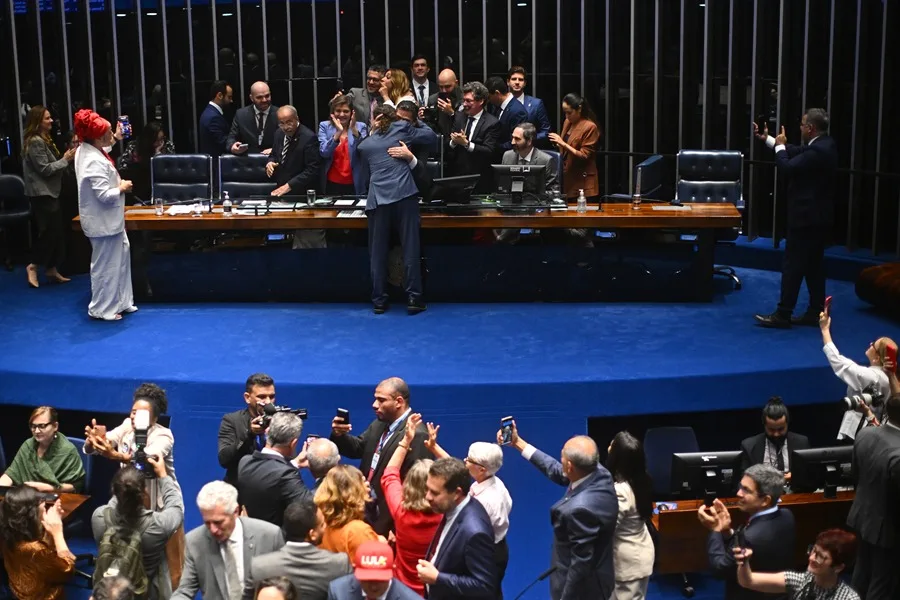
The Cost of Buying Time
Employers see the same hours from the other side of the payroll. The São Paulo commerce federation has warned of a 22% increase in hourly costs and the possible loss of 1.2 million jobs, projections cited by EFE.
Those numbers require scrutiny. Holding pay constant while reducing hours from 44 to 40 raises the wage cost per scheduled hour by exactly 10%. A worker receiving 440 reais for 44 hours earns 10 reais hourly; spread across 40 hours, the same payment becomes 11 reais.
The federation’s own published examples distinguish that calculation from a reduction to 36 hours, which produces an increase of approximately 22%. Applying the larger percentage automatically to the approved 40-hour ceiling would confuse two different proposals.
The employment forecast also needs assumptions before it becomes useful. How much demand will businesses retain? How much coverage must they replace? Can schedules improve? Projected losses depend on those answers. They cannot be read as jobs already disappearing.
There are real constraints. Retailers need staff while stores remain open, and businesses with limited cash may struggle to finance additional coverage. Reducing fatigue could improve performance, but neither higher productivity nor widespread layoffs follows mechanically from changing the constitutional ceiling.
Senator Esperidião Amin, an ally of Flávio Bolsonaro, called for cooperation with businesses to cushion the financial effects, EFE reported. His appeal points toward the difficult practical negotiation ahead: how to preserve the promised rest while adapting staffing and keeping wages intact.
Government senator Randolfe Rodrigues invoked developed economies in defending the measure, according to EFE. International comparisons establish that shorter schedules are possible. They do less to explain how Brazilian businesses will adjust, or how workers will secure compliance when bargaining power is unequal.
A Victory With Unfinished Business
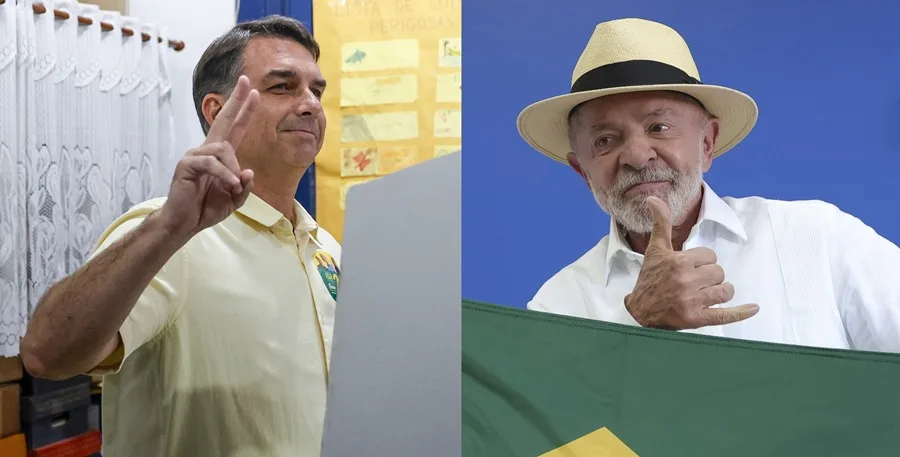
The timing gives every argument another edge. Approval came 11 days before the October 25 presidential runoff. Flávio Bolsonaro led the first round with 47% against Lula’s 45%, according to EFE. A two-percentage-point gap leaves both candidates searching for an advantage voters can recognize immediately.
Bolsonaro had opposed the proposal. On Tuesday, he reversed course, citing popular demand, and subsequently voted remotely while campaigning in Porto Alegre. Opposition parties allowed senators to vote freely, helping clear the amendment’s path.
His endorsement suggests that opposing another day off had become politically costly. It also gives Bolsonaro a vote to cite when Lula claims credit for the reform. Lula, meanwhile, can point to the proposal’s place at the center of his campaign.
Government Senate leader Teresa Leitão urged colleagues to “remain vigilant to prevent setbacks in the future,” EFE reported. Opposition senators, meanwhile, criticized the rush and accused the government of exploiting state machinery for electoral purposes. Those accusations remain political claims.
Lula, 80, seeking a fourth nonconsecutive term, called the change “a historic achievement” on Thursday, EFE reported. “Those who build Brazil every day also deserve time to live,” he wrote on social media, according to the agency.
That promise will be tested beyond the campaign. Workers outside formal employment may struggle to turn constitutional language into an actual paid break. Families will judge the reform through rosters, paychecks and the freedom to make plans. The decisive question begins after the celebrations: whether the second day off reaches the people whose exhaustion made it a national demand.