Colombian Plane Crash Exposes the Hidden Cost of Regional Connectivity
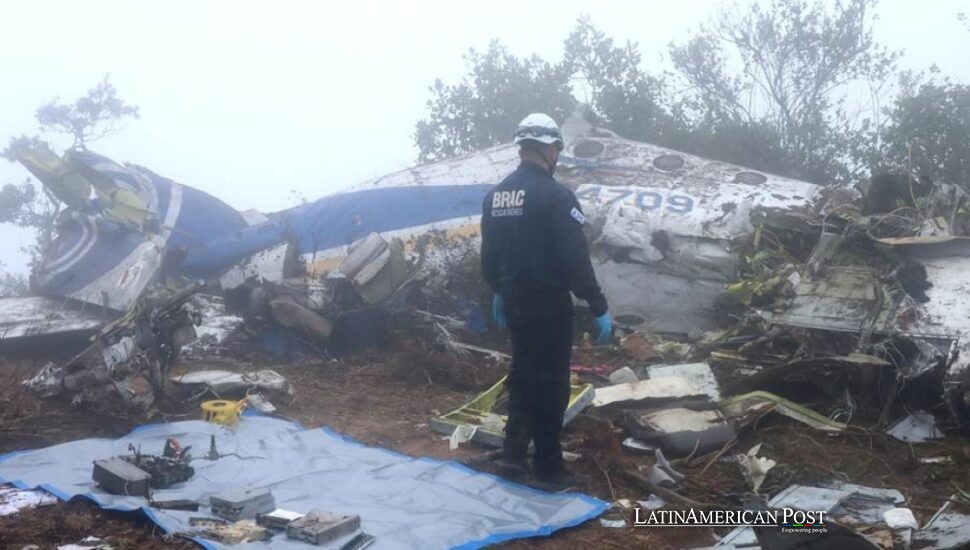
In thick fog near La Playa de Belén, investigators pick through a shattered Satena plane and the lives it carried. The search is turning into something more complex: a national argument over risk, isolation, and why this short route was revived in the first place.
A Hilltop Scene, Then the Smell of Fuel
The first thing you notice is how quiet a disaster can be when it lands far from roads.
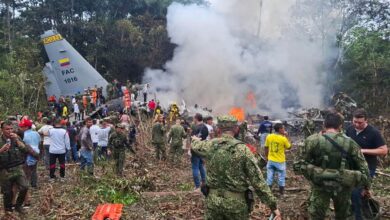
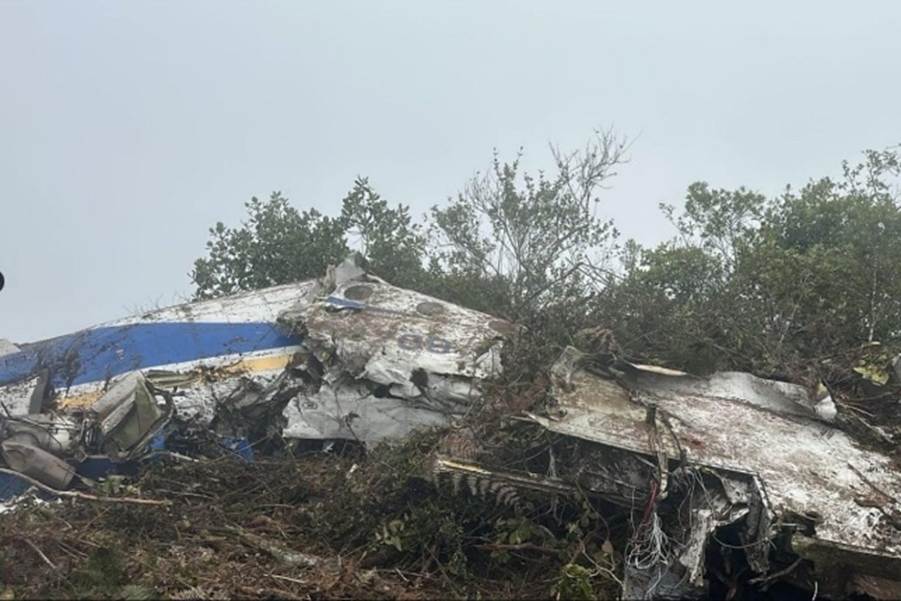
Up on the mountain near La Playa de Belén, the Beechcraft 1900 is no longer an aircraft in any recognizable sense. It is pieces, and then smaller pieces, scattered between shrubs on wet ground. A mist hangs low enough that the silhouettes of rescuers and investigators appear and vanish as they move. Nearby, campesinos watch with the stillness of people who know how long it takes for help to reach a place like this.
Moisés Rodríguez is walking carefully, placing his boots where the slope gives him a little mercy. He is not an aviation expert. He is a local who climbed up because the crash happened on his mountain, in his landscape, and because someone had to be the first witness before the state could arrive with uniforms and protocols.
“I got here around four thirty in the afternoon, I climbed up from La Playa, and when I arrived, there were already more people from other communities,” Rodríguez told EFE, stepping between fragments that look like torn metal skin.
The work is methodical and ongoing, with emergency officials and rescuers carefully recovering plane parts and personal belongings, demonstrating dedication to thorough investigation and recovery efforts.
Rodríguez pauses and returns to the detail that has stayed with him since the first climb. “It makes you feel sorry to see that, because it is something dire, something you cannot even explain,” he told EFE. When people reached the wreckage, he said, there were no signs of fire. “It did not smell like smoke or anything, just gasoline,” Rodríguez told EFE.
That sensory fact lingers because it resists the mind’s usual story about an air crash. No flames, no blackened hillside. Just fuel in damp air, and pieces in a relatively small area, as if the plane fell in one complex motion rather than dissolving across kilometers.
Rodríguez, who says he has never flown on a plane, points out what he saw in the cabin: the “clocks,” fragments of the pilot’s controls, seats thrown out and resting on flattened grass. The aircraft’s stairs were unanchored from where they usually belong, covered with weeds, and trapped in the steep, humid terrain—a small, ordinary object, repurposed by violence into evidence.
Twelve Minutes Into the Flight
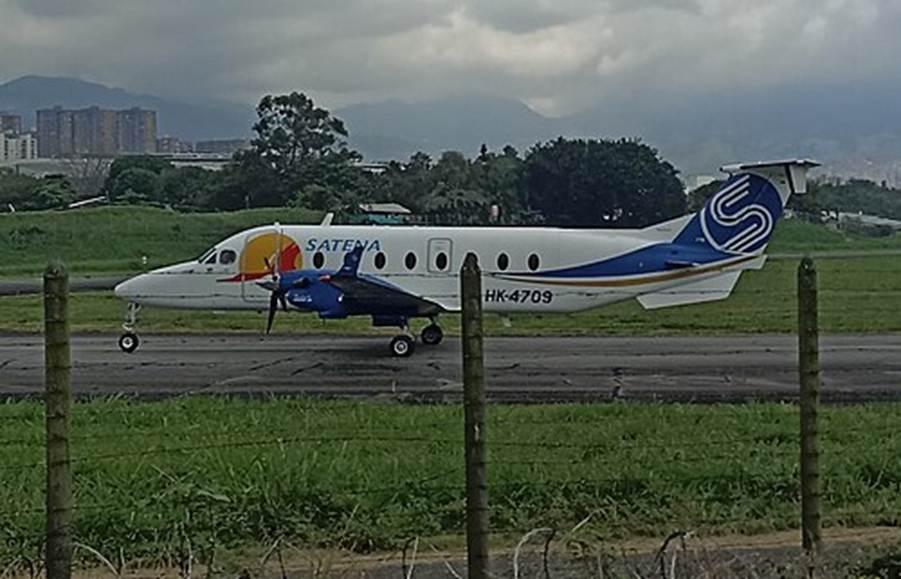
The route should have been quick. The Satena plane, a twin-engine Beechcraft 1900 with thirty-two thousand flight hours, left Cúcuta bound for Ocaña in Norte de Santander. The trip typically takes twenty-five minutes. The last contact came when it had been in the air for twelve.
Hours later, campesinos from the Curacica area, part of La Playa, reported discovering the aircraft on a hilltop. Then came the long, human chain that follows a crash in mountainous country: climbing, searching, confirming, and then the work of carrying bodies down and out.
The remains of all fifteen people on board, including Diógenes Quintero Amaya, a regional representative, were recovered, reminding the public of the personal toll and the region’s social fabric affected by the crash.
The trouble is that shock does not answer the practical question that investigators are now trying to hold steady in their hands: what happened in those twelve minutes.
Satena said in a press conference in Ocaña that meteorological conditions along the route and at the destination airport were favorable for the aircraft’s operation. The airline also said there was no evidence indicating external factors or conditions outside the operation that influenced the accident. According to the notes, there is no hypothesis yet about the cause.
The company emphasizes that the pilots were experienced. Captain Miguel Vanegas had more than ten thousand flight hours. Co-pilot José de la Vega had more than seven thousand. Neither reported an emergency to the control towers in Cúcuta or Ocaña.
That absence of a distress call adds its own kind of weight. In an urban crisis, alarms are loud and immediate. Here, the silence is part of the record. A plane disappears into fog, and the people who live on the mountain become the first to translate that disappearance into something the state can respond to.
Back on the hill, the uneven distribution of wreckage is speaking to those who know how to read it. The debris field is tight, the notes observe, unlike other crashes where remnants scatter for miles. It looks like a sudden impact. Something happened all at once.
And still, the fog.
Why Keep Flying This Route
Behind the investigation sits a policy dispute that is not theatrical, just unavoidable.
Satena flew between Cúcuta and Ocaña in the nineteen seventies, then stopped operating the route for decades. On March twenty one, two thousand twenty five, it reopened the connection between the two main cities of Norte de Santander, using aircraft operated by the company Searca.
Now that the route carries the weight of the crash, Satena says it will not suspend operations. The company frames the decision as a mission, not marketing. As a state airline belonging to the Social and Business Defense Group, a holding that includes 17 official companies or institutions, Satena says its purpose is to provide air connections to regions where large airlines do not operate.
What this does is force a challenging conversation that Latin America knows well: the price of connection, and who pays it.
In a country with steep terrain and uneven infrastructure, a twenty-five-minute flight can serve as a bridge. It links families, jobs, medical appointments, public service, and the daily administrative friction of living far from major hubs. For Catatumbo, named here because of the congressman who died, the symbolism is sharper. The area is defined in the notes by conflict and displacement, which makes any thread of connectivity feel political, even when it is simply logistical.
But connectivity is not a slogan when the route runs through mountains and fog. It is risk management, maintenance, oversight, and the fragile trust that passengers place in institutions. It is also the wager that the state makes when it insists on reaching places the market avoids.
Up on the hill near La Playa de Belén, that wager is no longer abstract. It is shrubs wet with mist. It is scattered metal. It is the smell of gasoline that a campesino cannot forget. And it is the kind of scene that turns an idiosyncratic investigation into a national reckoning, one careful step at a time.
Also Read: Latin America’s Child Safety Crisis Meets Data, Politics, and Choices