El Niño Leaves Peru Bracing for Floods and Still Waiting for Rain
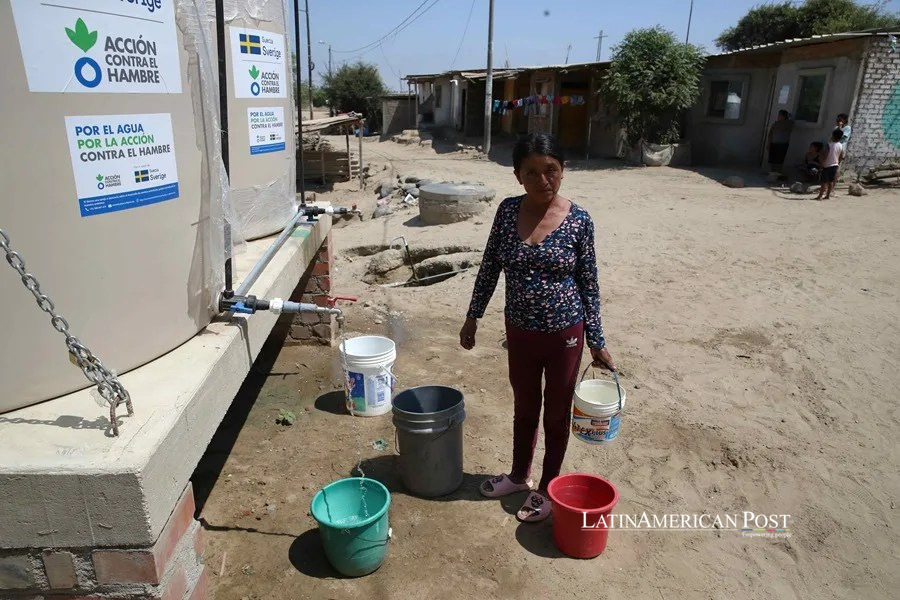
Peru expects extraordinary coastal warming through February 2027. As crews face a silted river in Piura and Lima watches three basins, farmers near Lake Titicaca face a different question about the same rainy season. Will enough water reach their fields?
Piura Needs Room for Its River
The Piura River has less room than it needs. Sediment has accumulated in the river channel that has repeatedly overflowed during strong El Niño years. An archive photograph from Piura shows a police lifeguard carrying an older woman beside the river channel. The image captures the difficult end of a rescue. Much of the work that might spare someone a similar trip this season looks considerably less dramatic. It involves getting silt out of the way.
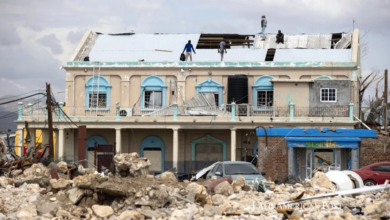
The Piura channel is among 536 critical sites that Peruvian authorities have identified for urgent attention. Luis Enrique Vásquez, head of the National Civil Defense Institute, has made clearing high-risk riverbeds a priority, along with buying food and other essentials before communities need them. There is a practical reason to do both at once. A road that can carry a truckload of supplies on a dry afternoon may be the very road a swollen river cuts off.
Peru’s El Niño monitoring commission expects the event along the coast to remain extraordinary through February, then weaken gradually toward mid-2027. Vásquez cited sea temperatures between 3.5 and 5 degrees Celsius above historical averages. Onshore, coastal air temperatures have already set records. The figure that matters most to a family in Piura, though, will be how high the water rises near home. That depends partly on what falls upstream and how much the riverbed can carry when it arrives.
Some of the hardest places to protect look harmless for much of the year. Vásquez described homes built along quebradas, ravines that residents may never have seen carry runoff. During an intense storm, a dry channel can carry a huaico, the Peruvian term for a rush of mud, rock and water. A family’s experience of a place can be perfectly accurate as far back as anyone remembers and still offer little guidance for the next few months.
Three Rivers Put Lima on Notice
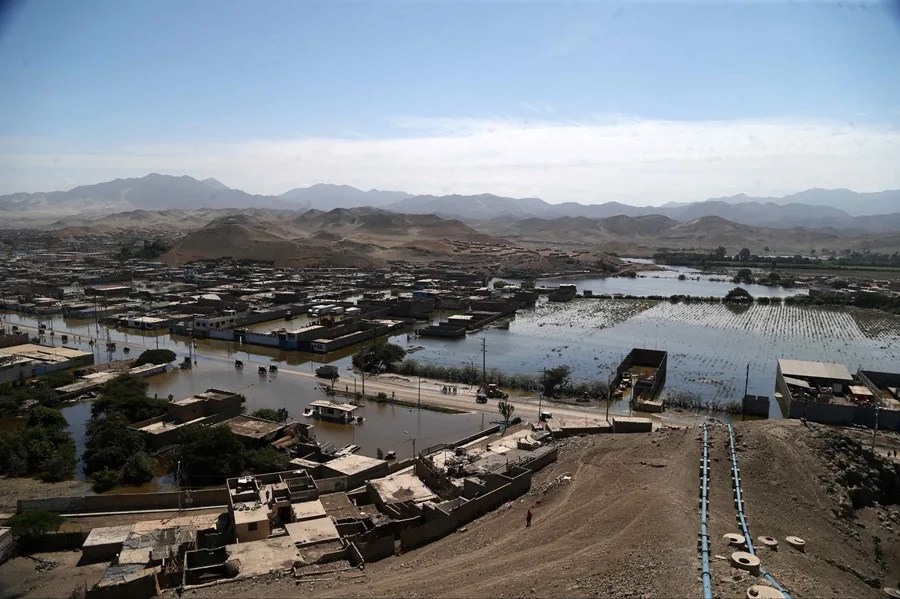
From November through January, forecasters expect above-average rainfall along the northern and central coasts and across parts of the western Andes. The northern coast faces the most frequent and intense downpours as 2027 begins. Farther south, December brings increasing concern about the Chillón, Rímac and Lurín, the three rivers that cross metropolitan Lima. Someone watching the sky from the capital could miss much of what determines the level of the nearest river. Rain falling in the hills has its own travel time.
Civil defense officials say they can send an alert to cellphones within a defined area when a nearby river rises to dangerous levels. That precision matters in a city spread across three basins. A household beside the Chillón and another near the Lurín need different information on the same afternoon. And a warning buys something that clearing sediment cannot. Even where the water overtops the bank, residents may still have time to get away.
The government is preparing for as many as 1.2 million people to be affected nationwide. Vásquez drew that figure from the scale of the worst El Niño episodes of the 1980s and 1990s. It is a planning assumption. Nobody can yet say how many homes will flood, much less which families will need a food delivery. But waiting for an accurate count would mean placing orders after roads had begun to close. For procurement officers, the older disasters offer a defensible number to buy against.

The South Counts What Never Arrives
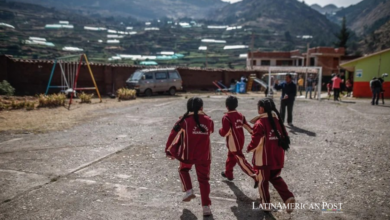
Around Lake Titicaca, households face a quieter prospect. Rainfall is expected to fall below normal, and the rivers feeding the lake are already carrying less water than usual. Parts of the eastern central and southern Andes, along with the central and southern Amazon, can expect normal to below-normal rainfall. Several southern reservoirs are already low. An unexceptional rainy season would give farmers little comfort if it merely maintained a shortage inherited from the season before.
The agricultural calendar explains why the forecast extends beyond the months of greatest coastal danger. A northern grower could lose access to a market in a single afternoon if a river takes out the road. A southern grower could reach planting time in 2027 with the road intact and too little water to justify buying seed. The coastal Pacific could be cooling by then. The water missing from a reservoir would still be missing.
Economists at Antonio Ruiz de Montoya University estimate that material damage could exceed $3 billion and that the impact on Peru’s gross domestic product could reach 0.8 to 1 percent. The figures describe different losses. Repairing a bridge costs money. The harvest that spoils while trucks wait to cross represents income that repairing the bridge will never bring back. Meanwhile, the government must pay for emergency supplies and reconstruction, just as interrupted business puts pressure on public revenue.
That leaves Peru with two different ways to judge its preparations. In Piura, success might mean an elderly resident spends a night of heavy rain at home and never needs a rescuer. In the southern highlands, it may be months before a family knows how well it came through El Niño. The answer will come when someone has to decide how much land there is with enough to plant.