Peru Turns Desert into a Church for Pope Leo XIV’s Coastal Homecoming
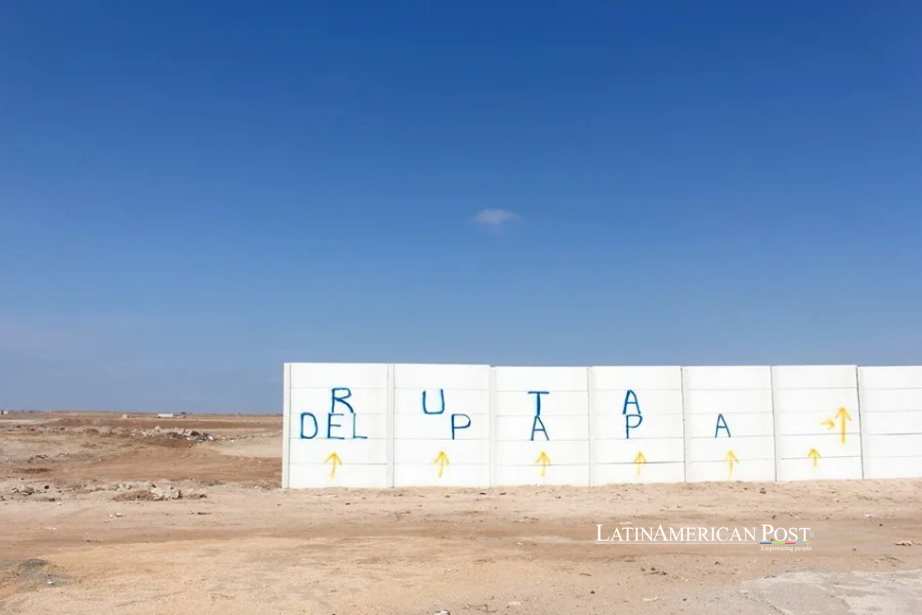
On Peru’s northern coast, Pimentel is preparing to welcome Pope Leo XIV with a Mass for roughly one million people. Behind the vast altar and overnight arrivals lies a smaller, warmer story: a community remembering the bishop who ate ceviche.
The Bishop They Already Know
At Nuestra Señora del Carmen parish, facing the sea in Pimentel, preparations for a pope include straw hats. They are being offered against the coastal sun, a practical accompaniment to the excitement surrounding a visitor the congregation knew before the world did.
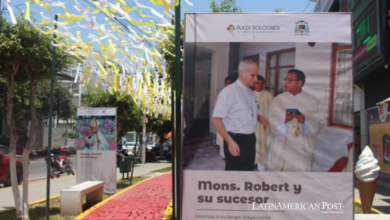
“He knows Pimentel, he knows us,” parish priest Bernardino Gil told EFE. Robert Francis Prevost came to this church many times. From nearby Chiclayo, where he served as bishop for about eight years, he would also slip away with companions for ceviche.
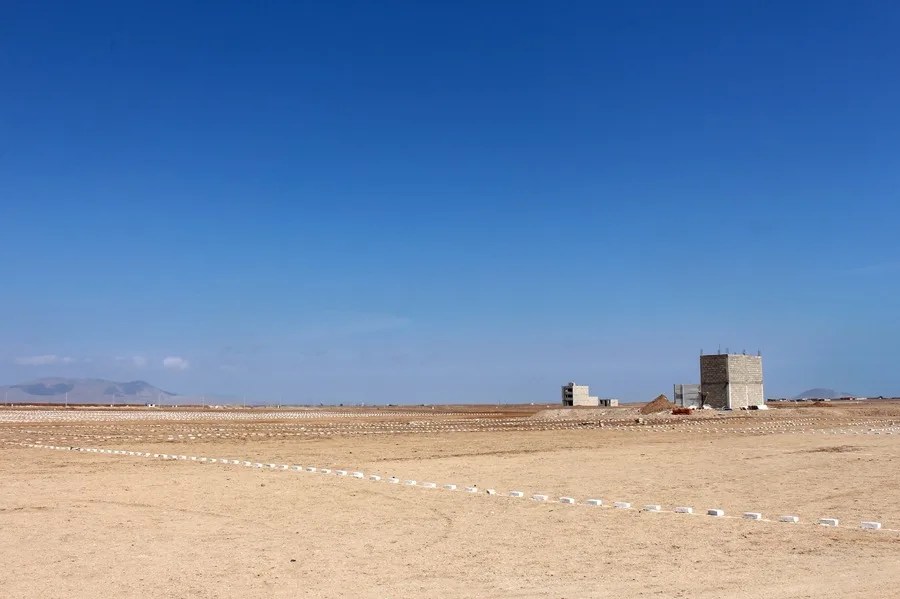
Now his return requires an altar rising on more than 55 hectares of dusty ground.
The Chicago-born pontiff spent more than two decades in Peru, serving as a missionary and later a bishop. He became a Peruvian citizen in 2015. For Pimentel, his connection belongs to the ordinary geography of parish visits and shared meals.
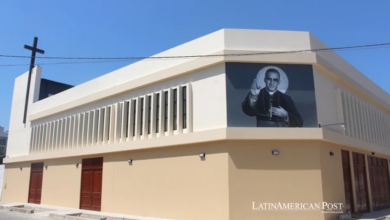
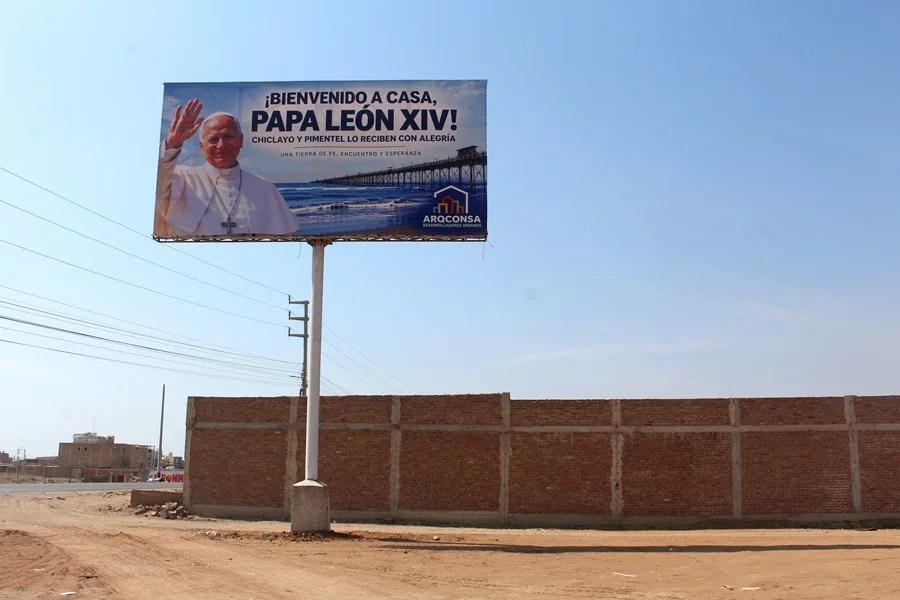
The resort, about seven miles from Chiclayo, is known for its long wooden pier. Months after Prevost became pope, a nearly 10-foot-tall statue appeared, facing the Pacific. Ice cream vendors and beachgoers pass beside it. The monument has entered the town’s daily life before the man himself returns.
That familiarity gives the November 13 Mass a particular emotional charge. International attention has arrived at a place that remembers an accessible bishop. The preparations must accommodate both versions of him.
Gil describes the visit as a reunion with longtime faithful. His expectation is personal, even as the numbers become enormous. Some people will recognize a former pastor; others will encounter the leader of their Church for the first time. They will share the same stretch of desert.
A Million People, One Morning
The Vatican schedule sets the Pimentel Mass for 10:30 a.m. on November 13. Organizers plan to open the grounds at 8 p.m. the previous evening, creating a 14½-hour arrival window.
That long interval spreads the burden on entrances and roads. It also transfers part of the undertaking to pilgrims, some of whom will spend the night waiting before the service begins.
The million-person figure remains an expectation. Across 55 hectares, approximately 136 acres, it would represent about 5.9 square feet of gross land per attendee, before subtracting the altar, circulation routes, and operational areas.
That calculation does not establish the crowd’s actual distribution. It explains why the empty landscape needs careful division: an expanse that looks immense without people becomes a tightly organized environment when filled.
White bricks mark quadrants and narrow internal avenues. The plan described to EFE includes 15 entrance gates, staggered admission times, and 15 giant screens, alongside the sound system. Each addresses a different distance between arriving, finding a place and following the liturgy.
Father Jorge Villegas, an organizer in Chiclayo, told EFE that preparing the remote site over the past few months had required sustained work. The land needed cleaning, leveling and conditioning before the major altar structure could rise.
More than 100 workers have been doubling shifts during the final weeks. Their labor is the less visible foundation of the gathering: the congregation’s few hours together depend on weeks of construction.
The altar’s design incorporates references to local reeds and Pimentel’s pier, bringing coastal identity into the ceremony’s monumental architecture.
Villegas expects pilgrims from neighboring Peruvian regions and abroad, particularly Ecuador and Colombia, with possible arrivals from Central America. Those journeys could bring spending to the area, but attendance projections alone cannot establish an economic windfall. Travel arrangements and the length of stays will determine how much reaches local businesses.
For organizers, the immediate task is receiving people.
The Last Five Miles
Twenty additional hectares have been prepared for parking. Yet pilgrims arriving in private cars face an eight-kilometer walk, roughly five miles, to the Mass site.
That distance makes physical stamina part of participation. A seat in a car solves only one section of the journey; the final approach asks something different of older worshippers and people with limited mobility.
Organizers have announced 50 free buses to help those groups, while more than 3,000 National Police officers will guard the grounds. The transportation provision gives practical meaning to the promise of welcome, particularly for people who cannot cover the final distance on foot.
Inside, the pope’s planned route through the crowd offers another form of access. Gil told EFE that Leo would travel along the internal avenues in the popemobile before Mass, greeting and blessing those gathered.
Many will remain far from the main altar. The screens can show a face, but the passing vehicle offers the possibility of a direct encounter, however brief.
Around 1,000 special chasubles, the outer vestments worn for Mass, have been ordered. Gil expects about 800 priests, along with bishops from Peru and neighboring countries. Even the ceremonial clothing reflects preparations made ahead of an uncertain final head count.
For Pimentel, the scale is extraordinary. The attachment behind it is more familiar.
The town has already placed its former bishop beside the sea as a statue. Now it is making room for him to move among people again, across ground where distance will be measured in steps, waiting hours and a hoped-for glimpse.