Venezuelan Arepas and Diplomacy as Trump Tests a New Caracas
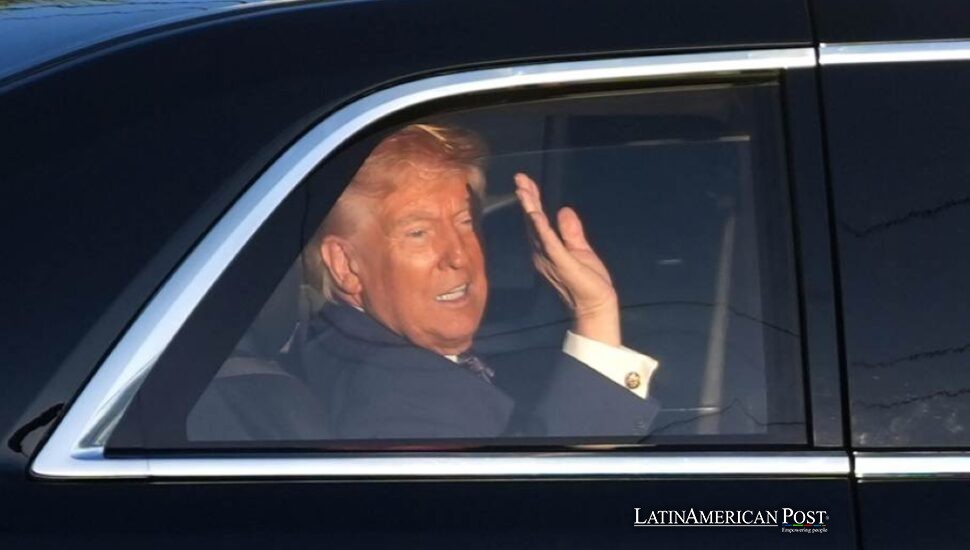
Donald Trump’s visit to Miami’s Venezuelan restaurant El Arepazo was short, noisy, and full of meaning. It happened as Washington and Caracas worked to restore diplomatic ties after Nicolás Maduro’s capture, turning a simple food stop into a political test once more.
A Restaurant Visit That Played Like Foreign Policy
Inside El Arepazo, the atmosphere changed as politics unexpectedly entered the conversation. People grew tense and pulled out their phones. The usual comforting smell of warm corn and oil felt more like a spotlight on a stage.
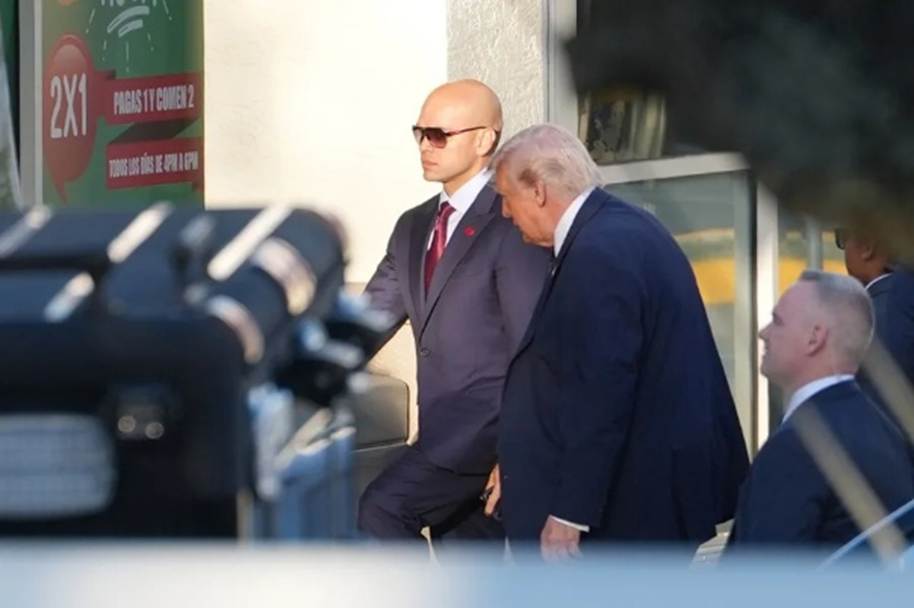
Trump entered, greeted customers, and asked, “Who here is from Venezuela? We came to get food for Air Force One,” according to an EFE report citing local media. His visit followed a press conference in Doral, where he defended U.S. military actions in the Middle East before flying back to Washington on Air Force One.
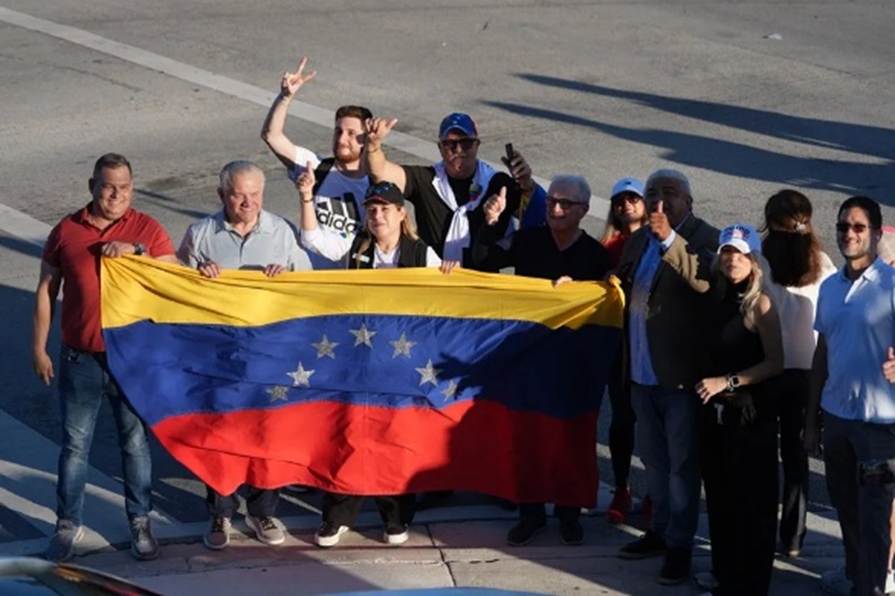
A manager thanked Trump, and the crowd cheered “U.S.A., U.S.A.” Outside, Venezuelans held their flag as they waited, showing the familiar signs of exile—communities that find hope in even the smallest gestures.
The simple truth is that places like this are more than just restaurants. They serve as bulletin boards and family timelines. El Arepazo, which opened in 2004, is known as a gathering spot for Florida’s Venezuelan community.
In South Florida, foreign policy sometimes smells like toasted cornmeal.
The visit was never just about food. It was also about the story Trump is trying to manage: showing strength abroad, gaining leverage at home, while the whole hemisphere watches how these efforts come together.
At that Doral press conference, Trump said his military campaign in Iran could be called “a tremendous success” whether he leaves it as it is or “goes further.” . He refused to give a specific date for the end of the war, and he said the offensive was “practically finished,” even as his war secretary, Pete Hegseth, has described it as “only the beginning.”
This contradiction matters because Venezuela is seen as both settled and unsettled, finished and still in flux, resolved yet still contested.
Diplomatic Reset Built on Arrest and Trial
The real policy debate behind the arepas is about the kind of relationship Washington wants with Caracas and what it expects Venezuela to give in return.
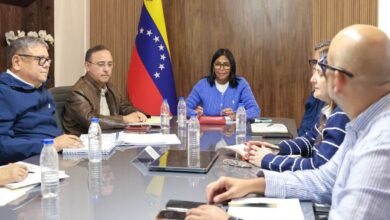
The United States and Venezuela’s interim authorities have agreed to re-establish diplomatic and consular relations, according to a U.S. State Department statement. The State Department said the step would promote stability, support economic recovery, and advance political reconciliation. It framed U.S. engagement as a phased process meant to create conditions for a peaceful transition to a democratically elected government.
Venezuela’s statement sounded different. The Venezuelan government said it was willing to move forward in a “new phase of constructive dialogue” based on mutual respect, sovereign equality, and cooperation, and expressed confidence that the process could open the way to a positive, mutually beneficial relationship. It did not echo the U.S. emphasis on elections in the language it released publicly, even as Washington centered that goal.
This brings together two ideas of diplomacy. One focuses on procedures and politics, with a focus on transition. The other is about relationships and results, based on respect and cooperation.
The agreement follows the January capture of Venezuelan President Nicolás Maduro by U.S. forces, which set off political changes in Venezuela, including the swearing-in of interim President Delcy Rodríguez. The arrest and the courtroom scenes have been part of the story’s moral architecture. Maduro has pleaded not guilty to narcotics charges, and his case in New York has included allegations that he oversaw a cocaine-trafficking network and faced counts that included narco-terrorism and possession of machine guns and destructive devices. He and his wife are jailed in New York awaiting trial in a later court filing story.
The notes also point to the U.S. accusation that Maduro and members of his government ran a criminal organization tied to illicit economies. U.S. officials have accused Maduro of supporting drug cartels that Washington has designated as terror groups. And the U.S. government analysis has described Venezuela’s illicit financial flows as tied to drug trafficking and illegal gold mining, a reminder of how tightly criminal economies and state crisis can intertwine.
The question is whether this reset will be a bridge or a leash. Diplomatic ties can open new channels or reinforce pressure.
Exile Applause, Regional Consequences
Back at El Arepazo, the crowd’s energy said that being visible offers protection, and that catching the attention of those in power might finally shift policy toward the people who fled. But that hope has its risks. When exile becomes a political campaign, it can also serve as a bargaining chip.
When Trump was asked about leadership questions related to the Islamic State, he pointed to Venezuela’s transitional government under Delcy Rodríguez and suggested he would like to replicate that formula. In other words, Venezuela is not only a country in this story. It is being treated as a template.
For Latin America, templates travel. A government that watches a president captured in one month and diplomatic ties restored in the next has to ask what “stability” means in practice. Is it a return of embassies and consulates? Or is it a new kind of conditional sovereignty, where recognition arrives braided to prosecutions, sanctions, and security demands?
The scene in Doral shows something else: policy isn’t just written in official statements. It’s performed, experienced, and even carried away in takeout boxes onto Air Force One, all while cameras capture the moment and communities add their own meaning.
The challenge is that the most important parts of this relationship won’t take place in restaurants. They will happen in negotiations that define what cooperation means, what economic recovery can look like, and whether political reconciliation is a goal or a deadline.
Still, it’s worth noting how the story is told: Trump in a Venezuelan restaurant, surrounded by exile and hunger, on the same day he talked about war in Iran and praised Venezuela’s transitional government. This single scene carries many policies at once and leaves the region with a familiar question: when Washington says it’s helping a country move forward, who gets to decide what forward means?
Also Read: Latin America Faces Trump’s New Cartel War and China Squeeze