Catastrophe in Brazil: Rio Grande do Sul Faces Fatal Floods
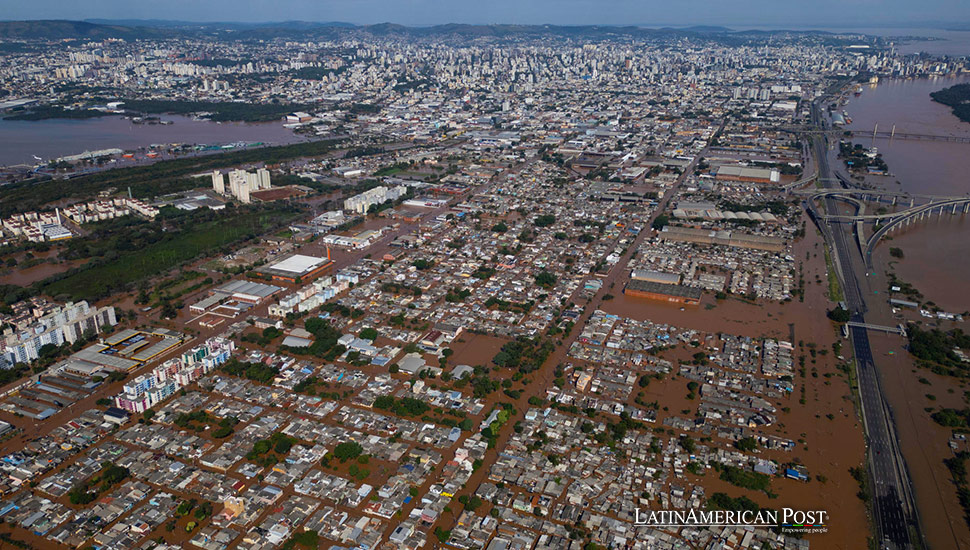
Unprecedented rainfall in Rio Grande do Sul, Brazil’s southernmost state, has triggered massive floods and landslides, claiming 55 lives with 74 missing and displacing nearly 25,000 people amid ongoing environmental crises.
In a harrowing demonstration of nature’s force, Rio Grande do Sul, Brazil’s southernmost state, has been besieged by severe flooding and landslides following relentless rain. The catastrophic weather has resulted in the deaths of 55 individuals, with 74 more reported missing and nearly 25,000 residents forced from their homes.
Region’s Infrastructure Devastated by Onslaught
The onslaught began last Saturday and has not only shattered lives but also severely disrupted the region’s infrastructure. Authorities report that half a million people are currently without power and clean water, and with meteorologists predicting more rainfall, the situation could worsen.
This disaster is unfolding in a region known for its robust agriculture and pivotal role in Brazil’s economy. The destruction of roads and bridges, particularly in rural areas, threatens to weaken local economies and delay recovery efforts. The storm’s impact has been so severe that more than half of the state’s 497 cities have experienced significant damage.
In a particularly tragic incident, a hydroelectric dam near Bento Gonçalves collapsed, resulting in 30 deaths. This event underscores the severe strain that extreme weather can place on infrastructure. A second dam is reportedly at risk, raising fears of further devastation.
Porto Alegre, the state capital, has seen some of the worst flooding. The Guaíba River, which courses through the city, overflowed its banks, inundating streets and submerging neighborhoods. The flooding has been so severe that the city’s international airport has indefinitely halted all flights, signaling a significant disruption in local and global connectivity.
Residents of the affected areas have expressed heartbreak and despair over the damage. Maria Luiza, a local interviewed by the BBC, shared her sorrow: “I live in this area, so I feel sorry for everyone who lives here. It’s unfortunate and regrettable that all this is happening.” Their pain is palpable, and it’s a reminder of the human cost of these disasters.
Extreme Weather Linked to Climate Phenomenon
The cause of these extreme weather events has been attributed to a rare combination of factors: unusually high temperatures, strong winds, and high humidity. These conditions have been linked to the El Niño climate phenomenon, which disrupts standard weather patterns across the globe, leading to severe weather conditions such as those currently affecting Brazil.
Brazilian President Luiz Inácio Lula da Silva has visited the region, pledging federal support for the victims and recovery efforts. The promise of aid is a relief to many, though the road to recovery is expected to be long and challenging.
This series of disasters in Rio Grande do Sul reflects a broader trend observed across Latin America, where the intensity and frequency of natural disasters have escalated due to climate change. These events, occurring with alarming frequency, underscore the urgent need for robust climate resilience and disaster preparedness strategies. The time for action is now.
Meteorologists warn that the situation may deteriorate as a cold front is expected to bring additional rains. The immediate focus remains on rescue and relief operations, securing vulnerable structures, and providing shelter and necessities to displaced residents.
Global Reflection on Climate Impact
The ongoing crisis in Rio Grande do Sul serves as a poignant reminder of the growing impact of climate change and extreme weather events. It also highlights the necessity for comprehensive policies that address climate adaptation and mitigation, especially in regions prone to such natural calamities.
Also read: First Lady of Brazil to Sue Musk’s X for Account Hack
As Brazil grapples with the aftermath of this tragedy, the global community watches and learns, hoping to better prepare for the increasing unpredictability of weather patterns. Rio Grande do Sul’s people, in the face of this unprecedented disaster, are demonstrating a resilience that is truly inspiring. With continued support and comprehensive planning, the state hopes to rebuild and recover from these devastating floods.