Argentina’s Fracking Boom Reshapes Patagonia Yet Leaves Its Fragile Future Uncertain
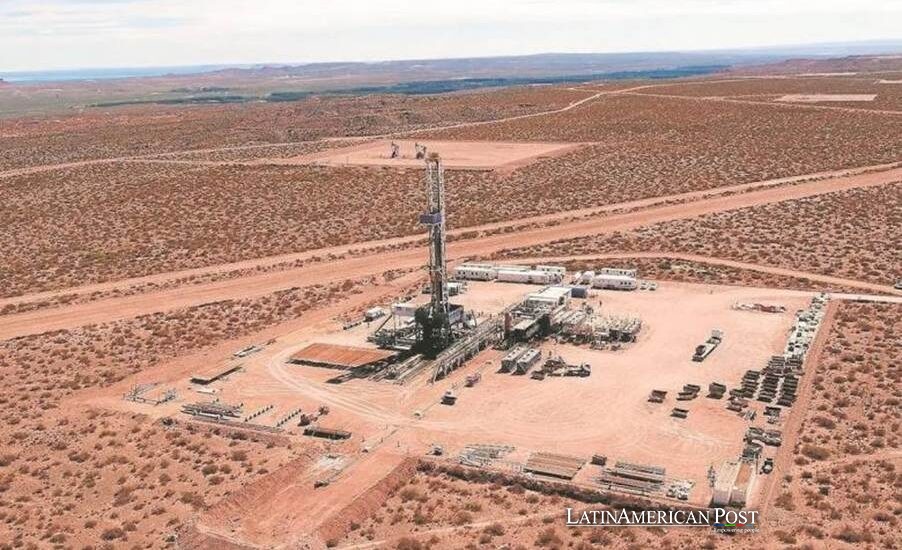
In dusty Añelo, a sleepy Patagonian town turned shale boomtown, mechanic Fabio Javier Jiménez has watched Argentina’s Vaca Muerta fracking revolution roar past his doorstep, bringing dollars, traffic, and hope – but also debt worries, political battles, and environmental unease.
From Sand-Dune Workshop To Shale Boomfront
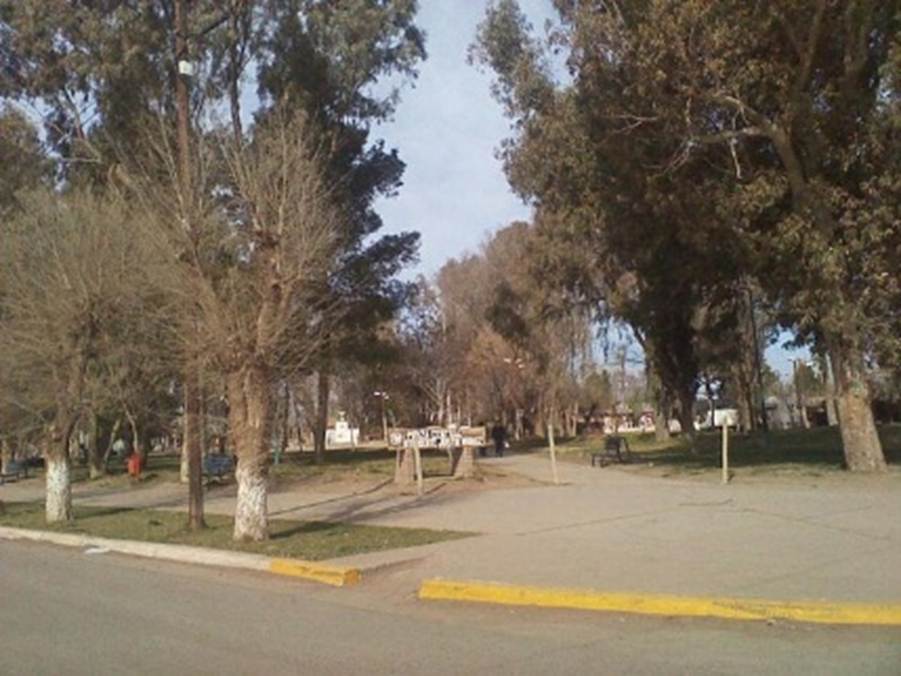
When Fabio Javier Jiménez’s father moved the family tyre repair shop to Añelo, it felt like exile at the end of the world. The town, nearly 1,000km south-west of Buenos Aires, had no mains water, no gas network, and electricity that flickered on and off. They opened their workshop “in the middle of the dunes, far from the town centre,” Jiménez told the BBC. “Then the town grew and passed us by.”
What changed everything was not a new road or a government plan, but fracking. In 2014, Argentina legalised the technique, allowing companies to extract oil and gas from Vaca Muerta, a vast shale formation beneath the desert around Añelo. Within a decade, the “middle of nowhere” had become the epicentre of the country’s most ambitious energy gamble in generations.
Añelo’s official population jumped from 10,788 in 2010 to 17,893 in 2022, an increase of more than 60%. On top of that, some 15,000 oil and gas workers now sleep in the town each night. The once-empty roads groan with tankers and pick-ups; official data show nearly 25,000 vehicles entering daily, including 6,400 lorries.
For Jiménez, business has exploded. His workshop, parked on the main provincial road, is ideally placed for trucks shredding tyres on rough, overused routes. What was once a marginal family trade has become part of the beating heart of Argentina’s shale rush.
Vaca Muerta’s Promise Of Energy And Dollars
Vaca Muerta – roughly the size of Belgium, about 30,000 sq km – was identified as an oil and gas treasure as far back as 1931. But only with modern fracking, which injects high‑pressure water, sand, and chemicals to fracture rock, did those resources become economically viable.
The first commercial fracking project here was a partnership between Argentina’s majority state-owned YPF and US giant Chevron. By February this year, the Argentine Institute of Oil and Gas counted 3,358 active wells in Vaca Muerta, split almost evenly between oil and gas. According to economist Nicolás Gadano, a former YPF official, output already accounts for more than half of Argentina’s total oil and gas production.
Crucially, he notes, shale barrels are cheaper than the dwindling conventional deposits elsewhere in the country, where the remaining oil is deep, scattered, and costly to reach. Energy analyst Nicolás Gandini of Econojournal put it more bluntly: most traditional onshore fields are “three to four times more expensive than Vaca Muerta,” with only some offshore gas bucking the trend.
The macroeconomic impact has been dramatic. After decades of shortages and expensive imports, Argentina has achieved energy self‑sufficiency and become a net exporter of oil and gas, inspiring hope for economic growth.
For a country perpetually starved of dollars, that is a big deal. Gandini calls the shift “significant”, especially given that just a few years ago Argentina’s energy trade balance was deep in the red. But he also warns against Vaca Muerta fever. “I think there is an overrepresentation of the value that Vaca Muerta can bring to solving the structural problems facing the Argentine economy,” he told the BBC.
Argentina, he points out, has few other sectors capable of rapidly generating foreign currency: agriculture faces climate and productivity limits, while mining is still nascent. Shale is a powerful new engine – but it is not a magic wand for chronic inflation, fiscal deficits, or the country’s long history of debt crises.
Pipelines, Pesos, And Politics
Even the shale boom has its brakes. Investment has been constrained not so much by geology as by Argentina’s finances and institutions.
Years of capital controls, designed to stop dollars fleeing the country and to protect central bank reserves, have left foreign companies wary. “Everything is fine with Vaca Muerta,” Gadano paraphrases corporate complaints, “but I haven’t been able to get a single dollar out of Argentina for 15 years, so we make money, but we have to reinvest it there by force.” That, he says, “is not how the world works… especially for big international players.”
President Javier Milei’s government scrapped foreign exchange controls for individuals in April. After his coalition’s strong midterm results, there is a growing expectation that restrictions on companies will be eased as well. If that happens, it could unlock new flows of capital into Vaca Muerta – but also expose Argentina to fresh financial volatility.
Then there is the question of infrastructure. Critics argue that inadequate pipelines, deteriorating roads, and the absence of a railway link mean much of Vaca Muerta’s potential remains stranded. Energy officials in Neuquén Province, home to Añelo, say they are doing what they can. But the gap between gleaming wellpads and potholed highways is evident to anyone who drives through the region.
What Vaca Muerta does have, unusually for Argentina, is a broad political consensus. From the centre‑right to the left, all major parties agree that expanding shale extraction is vital, providing stability for investors and stakeholders.
Environmental groups like Observatorio Petrolero Sur say they are being drowned out in a debate dominated by projections of exports and royalties. However, Concerns about fracking’s ecological impact-such as groundwater contamination, seismic activity, and ecosystem disruption-remain underrepresented. Addressing these issues can help inform readers about the full scope of ecological implications and foster a balanced understanding.
Winners, Losers, And Argentina’s Uncertain Horizon
In Añelo, those contradictions play out in real time. The town has paved streets, hotels, and restaurants that did not exist before fracking. Jiménez has even opened a second garage to keep up with demand. “When we came to Añelo, we were happy to service two vehicles a day,” he said. “Then we serviced 10 vehicles, and now we have 20 vehicles a day.”
Yet the boomtown reality is more complex than a simple success story. Housing is expensive and often precarious. Public services strain under the weight of a floating workforce. Dust, noise, and traffic clog what was once a quiet desert settlement.
At the national level, Vaca Muerta has given Argentina breathing space: fewer blackouts, fewer gas ships on the horizon, more export dollars. But structural fragilities remain. Without broader reforms to taxation, spending, institutions, and productivity, shale income risks being absorbed by the same cycles of crisis that have long plagued the country.
Jiménez, whose livelihood now depends on the shale economy, sounds anything but euphoric. “Yes, there will surely be oil and gas for many years to come,” he told the BBC. “But that does not mean that Argentina will not continue to experience economic and political ups and downs.”
His scepticism may be the most realistic gauge of the Vaca Muerta era. For now, Argentina’s great shale bet is keeping the engines running, from the rigs of Vaca Muerta to the tyre shop by the highway. Whether it can finally steer the country onto a more stable road is a question that no amount of fracked oil can answer on its own.
Also Read: A China-Linked Megaport in Peru May Push the Amazon Past Its Breaking Point