Oil Shock Ripples Through Latin America After U.S.-Israel Strikes Iran
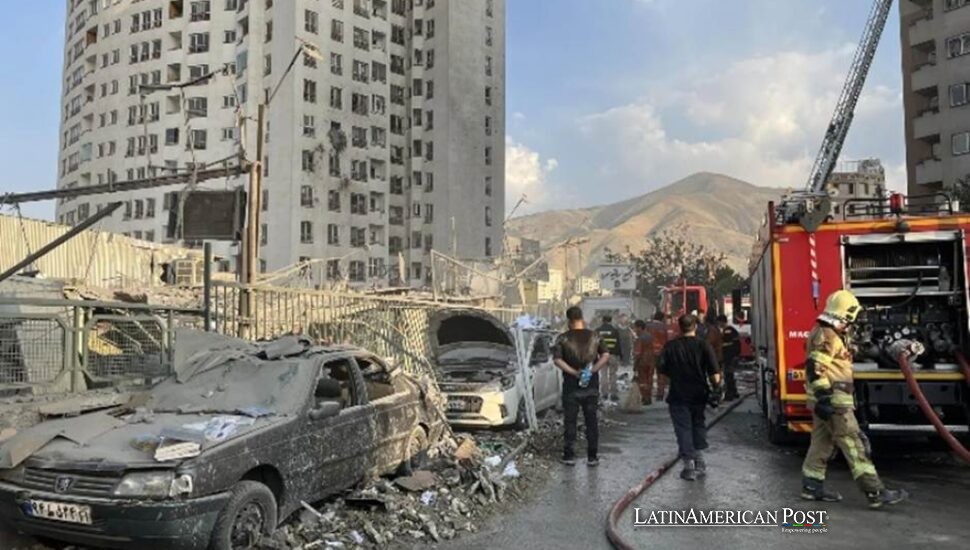
The U.S.-Israel strikes on Iran jolted markets, and Latin America now faces aftershocks through oil, inflation, currencies, and diplomacy rather than direct military risk this week.
A Price Board That Feels Like Politics
Gasoline prices quickly become personal. Drivers calculate costs that affect groceries and rent. Foreign crises soon impact daily expenses.
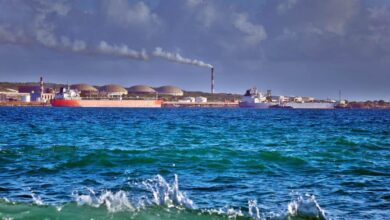
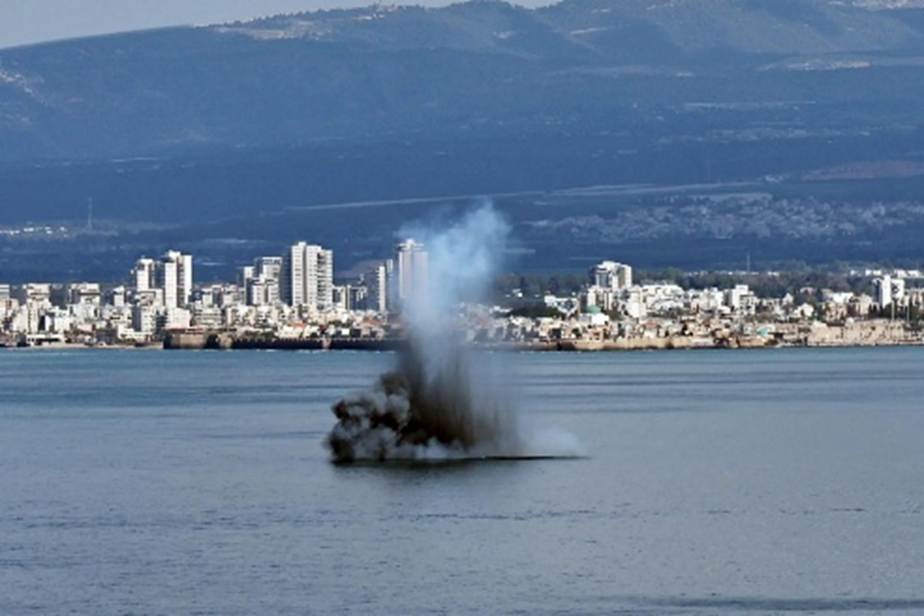
Energy market volatility is expected to be the fastest shock. Markets react to risk, not certainty. As a major oil producer, Iran can raise prices by escalating near the Strait of Hormuz, heightening supply fears. Markets are already pricing in potential disruptions in the Persian Gulf.
Oil is never just a barrel in this region. It is also a bus fare.
On the exporter side, higher prices can look like a tailwind. Brazil, Higher prices benefit exporters like Brazil, Mexico, Colombia, Guyana, and Venezuela through increased export revenues, improved fiscal balances, and currency support if prices remain high. Brazil and Guyana could see significant revenue gains. The key factor is the duration of elevated prices. Central America and many Caribbean nations tend to feel higher oil prices through higher fuel prices and then through inflation. Inflation is politically sensitive across the region, and fuel spikes have historically triggered unrest in Ecuador, Chile, and Colombia because daily life is priced in energy, whether people name it or not.
Inflation Comes Back Through Food and Power
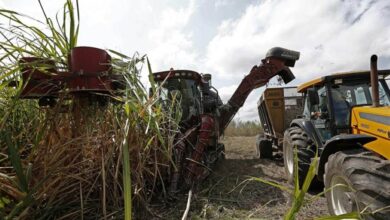
Energy feeds transportation costs, food prices, and electricity generation. What this does is widen the blast radius. Many economies are still stabilizing after post-pandemic inflation, and a sustained oil price spike could delay interest rate cuts, weaken currencies, and increase fiscal deficits as governments turn to fuel subsidies to blunt the shock.
Argentina is noted as a fragile case, highlighting uneven vulnerability. For some countries, higher oil prices are an inconvenience; for others, they cause rapidly compounding macroeconomic stress.
Financial markets may tighten before domestic prices adjust. Reuters noted cautious reactions, with funds moving to safe havens. The dollar strengthens, emerging market bonds face pressure, and stock markets may dip in the short term. A stronger dollar raises debt servicing costs and pressures local currencies, especially in high-debt countries. The impact starts quietly but spreads widely.
Diplomacy Splits and Trade Gets Nervous
The political map matters too. Latin America. Political divisions in Latin America affect Middle East policy, and the escalation of tensions is intensifying these splits. Left-leaning governments like Colombia, Brazil, and possibly Mexico may call for restraint, while U.S.-aligned governments avoid strong criticism. Bolivia and Nicaragua. Escalation could lead to increased U.S. scrutiny of Iranian activity in the region and heighten geopolitical tensions in the Western Hemisphere. Still, direct military spillover to Latin America is highly unlikely. The consequences are more likely to arrive as inflation, not as fire.
If escalation expands, trade faces risks. Shipping costs and cargo insurance premiums may rise globally, and commodity markets beyond oil, including grain and metals, could fluctuate. In a commodity-dependent region, this volatility presents both opportunities and challenges.
Remittances are also at risk. If global instability slows U.S. growth, remittances to Central America and Mexico may decline, reducing household consumption.
Policymakers face a familiar dilemma: cushion fuel prices and risk larger deficits, or allow price increases and risk public unrest. Central banks must balance controlling inflation with supporting growth. In Latin America, these are urgent, real decisions.
The notes outline two scenarios. In a worst-case scenario, Iran blocks or threatens the Strait of Hormuz, pushing oil prices above $120 per barrel and risking a global recession and severe inflation. Latin America would face capital outflows, currency crises in weaker economies, and social unrest over fuel and food prices. In the best case, strikes remain limited, the oil spike is temporary, exporters benefit, and long-term damage is minimal.
Between those outcomes sits the key variable no government in the region controls: how long oil stays high.
The impact on Latin America is mostly indirect and economic, not military.
Also Read: Cuba’s Fuel Shortage Impacts Markets Where Tomatoes Influence Prices