Mexican Search Mothers Bring Desert Skills to Tucson Missing Case
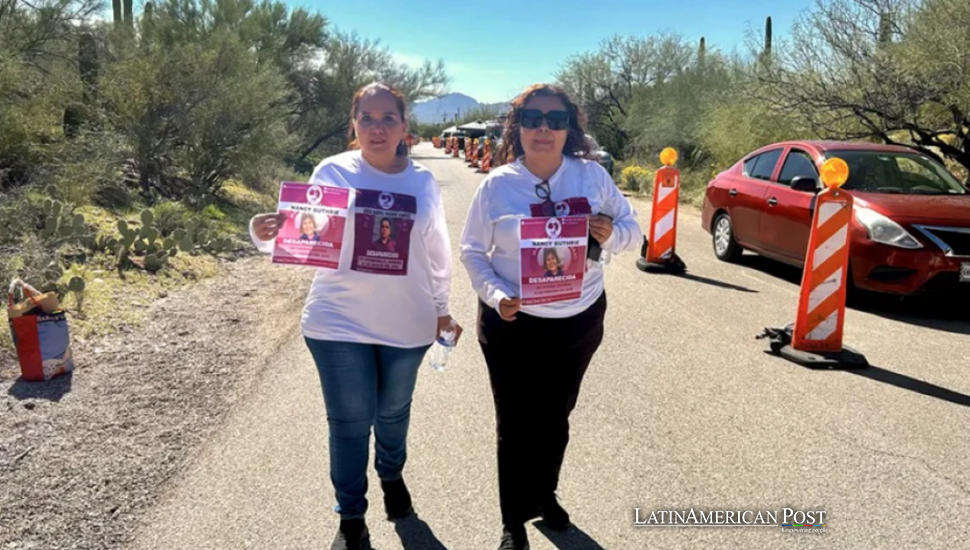
For the first time, Mexico’s Madres Buscadoras de Sonora crossed into Arizona to search the desert. They came looking for Nancy Guthrie, who had been missing for twenty-three days, bringing grief, tools, and a method shaped by years of searching in Sonora.
A Flyer, Yellow Flowers, and a House Waiting
Outside a home in Tucson, an improvised altar has taken shape, as these things always do when hope has nowhere else to go. A few items, carefully placed. A flyer about a missing woman. Yellow flowers, set there as a signal of expectation, a small insistence that the story is not finished.
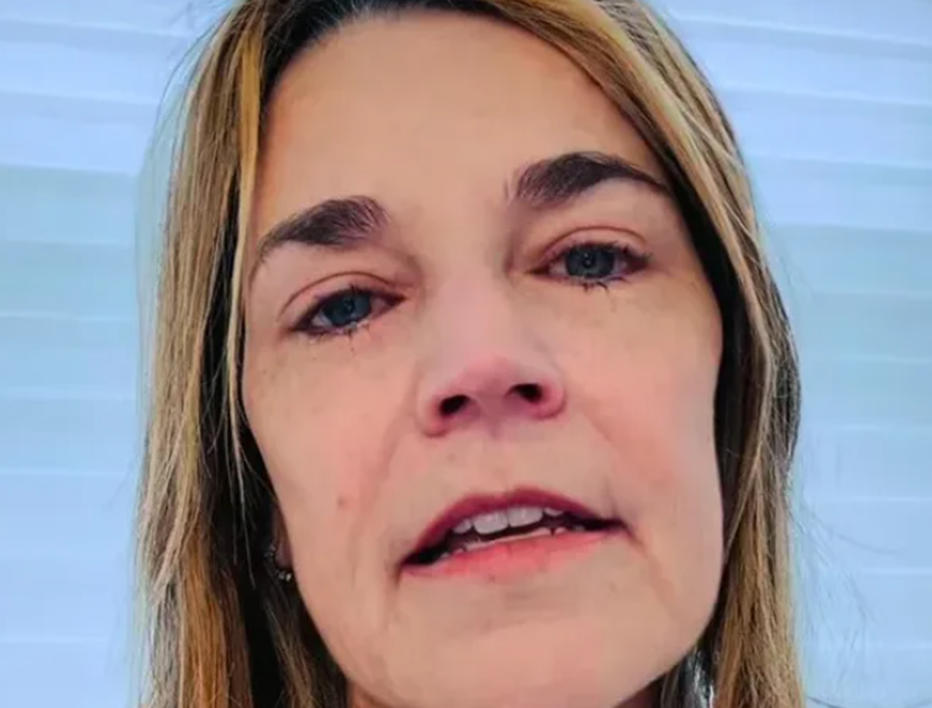
Nancy Guthrie is eighty-four years old. She was reported missing on January 31, believed to have been taken from her own home in the city. The investigation has followed hundreds of leads, with local police and the FBI involved. So far, there have been few public updates and no arrests.
Into that stalled situation came a group from Mexico who understand what it means when a case falls into uncertainty. The Madres Buscadoras de Sonora, a collective formed in 2019, came to Tucson after being contacted by a close friend of the Guthrie family. Their mission is clear and painful: to search for the missing in places where others have stopped looking.
This is the first time the group has joined a search in the United States. They are best known for searching the Sonoran desert, where disappearances often connect to organized crime, and many mothers look for their own children. Since they started, the collective says they have found more than five thousand people, including some alive and some as remains.
The scene at the house shows how the community becomes part of the search. People put up flyers, share tips, and build small altars. They try to keep the missing person present in public life, even when they are gone.
The desert air is dry and open, making distances feel even longer. In that landscape, searching isn’t just about looking. It’s about reading the land.
Reading the Desert Like a Story
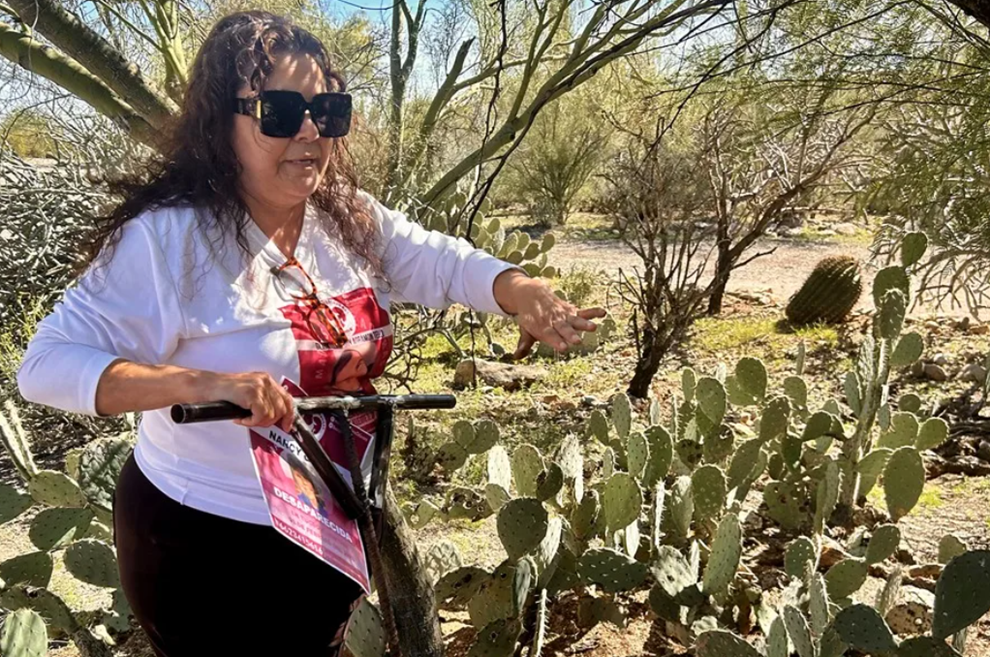
“We will look for signs in the desert, signs on the roads — if there are indications that something was dragged, if there are broken branches, if there are trampled cacti, that could be a clue,” Patricia Ramírez, a volunteer with the group, told EFE.
This method comes from repeated loss. You learn to spot what’s wrong because you’ve seen it too many times, often in the worst situations. Ramírez isn’t a detached expert. She has been searching for one of her own children since he disappeared in Sonora in March 2021.
The problem is that this kind of experience shouldn’t have to cross borders. In a working system, families wouldn’t need to become experts in desert search techniques. But here are Mexican mothers in Arizona, bringing skills shaped in a place where many believe the authorities don’t do enough.
This is the policy issue behind the human story: who is responsible for searching, who has the tools, and who is trusted. In Mexico, the movement grew from frustration with a state seen as absent or ineffective while organized crime destroyed lives. In the U.S., this case is under active investigation by local police and the FBI, but the family still welcomes help from women who have learned to search on their own.
There is also urgency layered into this specific case. The mothers say Nancy Guthrie has medical problems, including heart issues, and they hope she is found alive. “We want Nancy’s family also to be able to have that peace; the search is urgent because of her medical problems, particularly her heart condition, and we truly hope she is found alive,” Guadalupe Tello, another member of the collective, told EFE.
When she explains why they came, she does not start with technique. She starts with feeling. “We understand very well what the Guthrie family is going through: that uncertainty of not knowing where your loved one is, not knowing if they are hungry, if they are cold, if they are being treated well,” Tello told EFE.
That sentence captures the full emotional weight of disappearance. It’s not just fear of death. It’s the fear of what happens every minute: hunger, cold, and how someone is treated—the slow, painful imagining.
Tello joined the group after her son, Gilman Agramon Tello, disappeared in November of two thousand twenty during an outing in Magdalena de Kino, a popular beach area in Sonora, as noted.
The mothers say uncertainty is the worst part. They say some families would rather know their loved one has died and recover remains than live forever inside not knowing. It is a brutal preference, but it is a real one in places where disappearance becomes a long, unending sentence.
A Metal Cross and the Limits of Institutions
This week, the group plans to search the roads near the Guthrie home with their own tools. Their most distinctive instrument is a metal cross. The practice is direct and unsettling. When they see the earth that appears recently disturbed, they push the cross into the ground, then smell the tip.
“We bury it and then smell the tip; if we detect that unmistakable smell of a corpse, then we mark the place, and that’s where we begin to dig,” Tello told EFE.
It’s hard to read that without feeling its weight. A mother training her senses to detect death. A method born not from curiosity but from need.
The collective has obtained permission to cooperate with the Pima County Sheriff’s Office. They are clear about the rule in this case: if they find something they consider important, the first step is to inform local authorities.
That requirement draws a line between citizen search and official investigation. It also highlights the uneasy partnership that has become normal in Mexico, where families often do the initial work because they believe the state will not. Here, they are guests. They are collaborating. But they are still acting from the same impulse: do not wait.
“We are very familiar with searching in the desert; it is a difficult, inhospitable place, one that not everyone is used to,” Tello told EFE.
In Tucson, that experience is both their gift and their burden. They bring skill, yes, but also a strong moral drive. They refuse to let a missing person become just another file.
The question is what their presence will do to the story. It might lead to a clue. It might not. But it already reveals something bigger about the region we share, where deserts don’t respect borders and disappearance has become a language families know too well.
At the house, the altar stays in place. The flyer stays visible. The yellow flowers keep their color a little longer in the dry air. And a group of Mexican mothers, wearing shirts with photos of their missing children, walks out toward the open land, searching for signs that something was dragged, that a branch was broken, that a cactus was stepped on.
Small marks. Big consequences.
Also Read: Willie Colón and Panama: An Intimate Bond Built on Welcome, Collaborations, and Songs