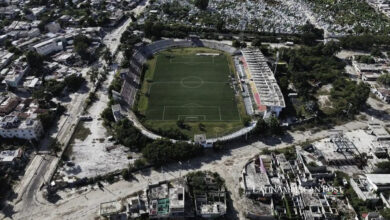
Palmeiras Scores More. Estudiantes Will Win the Copa Libertadores Anyway
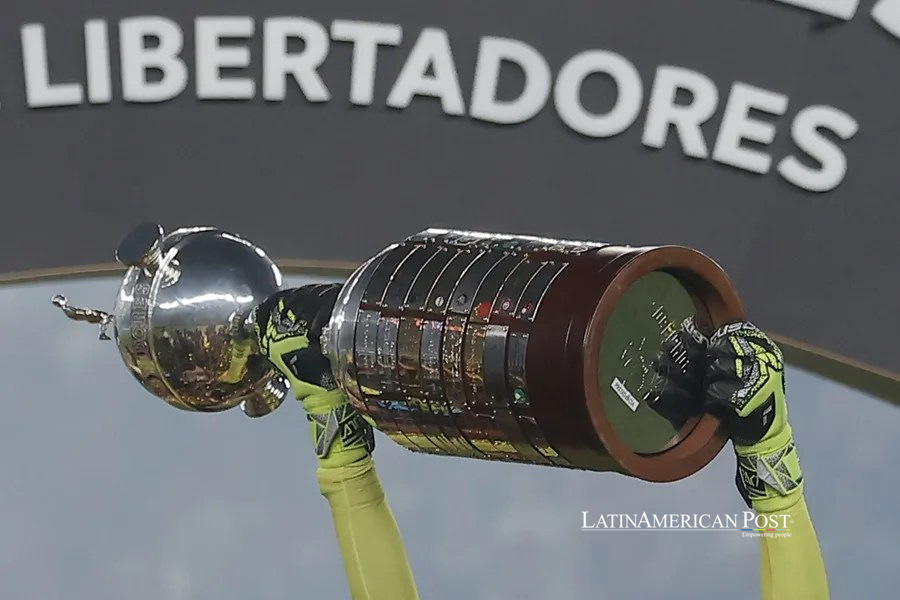
Palmeiras and Estudiantes return to Montevideo, where they settled the 1968 final. My pick is Estudiantes, 1-0, with a goal from the midfielder who beat Corinthians and a clean sheet for the goalkeeper who knows what this stadium sounds like.
A Goalkeeper Comes Home
After saving three Flamengo penalties at the Maracanã, Fernando Muslera had people in Montevideo to thank. His family was there. The 40-year-old Uruguayan had just put an Argentine club into the Copa Libertadores final. When ESPN asked about playing it at the Estadio Centenario, he said it would be good “to go back home.” On Saturday, November 28, the two clubs will meet on neutral ground. Try telling that to the goalkeeper.
Estudiantes supporters have been making this trip for generations. Film from May 1968 shows fans singing aboard a boat on the crossing from Argentina. Their team had beaten Palmeiras 2-1 in La Plata and lost 3-1 in São Paulo. Palmeiras had scored four goals to Estudiantes’ three, but the rules rewarded wins, and each had one. Thousands crossed the Río de la Plata for a third game. On aggregate goals, Palmeiras would have been champion.
Felipe Ribaudo scored first at the Centenario. Juan Ramón Verón added the second. Oswaldo Zubeldía’s Estudiantes won its first Libertadores, then kept the cup for two more years. When the club finally won a fourth, in 2009, its captain was Verón’s son, Juan Sebastián. Palmeiras supporters have a claim on the ground, too. In 2021, they saw Deyverson beat Flamengo in extra time there. Saturday will be only the fourth Libertadores meeting between Estudiantes and Palmeiras. All four will have been finals.

Where Brazil Gets Its Goals
Once the ball moves, Palmeiras has the more persuasive attacking numbers. Its 17 goals in 12 games average nearly one and a half per match. Estudiantes has scored exactly one per game. The bigger distinction is who can finish a move. Argentina’s José Manuel “Flaco” López has four Libertadores goals for Palmeiras and Colombia’s Jhon Arias has three. Eight teammates shared the other ten. Send a second defender to help with López, and even the man delivering the ball may fancy a shot.
That distribution says something about the Brazilian run of seven straight championships, too. An Argentine striker can win Brazil its 26th Libertadores, tying Argentina at 25 apiece. A Paraguayan, Gustavo Gómez, would lift the trophy, and a Uruguayan, Joaquín Piquerez, might well deliver the winning cross. Palmeiras has recruited across the continent to keep the cup in Brazil. Estudiantes will try to take it to Argentina with a Uruguayan coach, Alexander Medina, and a Uruguayan in goal.
The stakes have grown since those fans took the boat. A field of 21 has become 47, and a broadcast once sold mainly to neighbors can now reach more than 170 countries. The champion gets $25 million for winning the final, and the runner-up gets $7 million. That $18 million difference comes on top of what the clubs earned getting here. The supporters have travel bills of their own. Montevideo’s airport expects about 20,000 travelers for the game. Some fans booked beds more than 90 miles from the city.

Watch the Second Ball
My reason for picking Estudiantes starts with a ball it might easily lose. Captain Guido Carrillo won eight aerial duels in the first semifinal leg against Flamengo, more than any opponent had managed against the defending champion in this tournament. Gómez and Murilo give Palmeiras two excellent reasons to believe they can handle a high delivery. Let them win the header. Where it lands matters more. While the defenders are watching Carrillo, midfielder Alexis Castro can arrive facing the goal.
Corinthians had two looks at Castro. He scored in the fourth minute in La Plata and the 87th in São Paulo, a left-footed volley that flew into the top corner. Those were Estudiantes’ only two goals of the quarterfinal. The danger in counting on such fine margins came a few minutes later, when Memphis Depay missed a penalty that could have taken the tie to a shootout. Estudiantes has had some luck. It also has a midfielder still making that run in the 87th minute.
That leaves work for Joaquín Tobio Burgos, the 21-year-old who came through the Estudiantes academy. When Agustín Giay pushes up the Palmeiras right, the youngster may have to follow him back to his own penalty area. If he can make Giay chase him the other way, Carrillo should have company when he brings a clearance down.
The strongest objection to this pick is what happens if Arias gets past the first defender and finds López early. Estudiantes would have to come forward, leaving Andreas Pereira room to slip passes behind the midfield. Medina has better evidence for the game he wants. Across four quarterfinal and semifinal legs against Corinthians and Flamengo, his men conceded once. They played the second half at the Maracanã a man short. Flamengo had 180 minutes across two legs to beat Muslera before anyone stepped up to take a penalty.
Both goalkeepers won shootouts to get here. I think Carlos Miguel will have to fish the ball out of his net before he gets a chance to win another. Carrillo will occupy the center backs, Castro will find the loose ball, and Estudiantes will spend an uncomfortable last quarter of an hour defending its lead—one goal, in regulation. On the trip back to La Plata, there’ll be an Alexis Castro goal for the parents to tell their children about.