Lula’s Reelection Leaves Trump’s Latin American Power Play One Giant Short
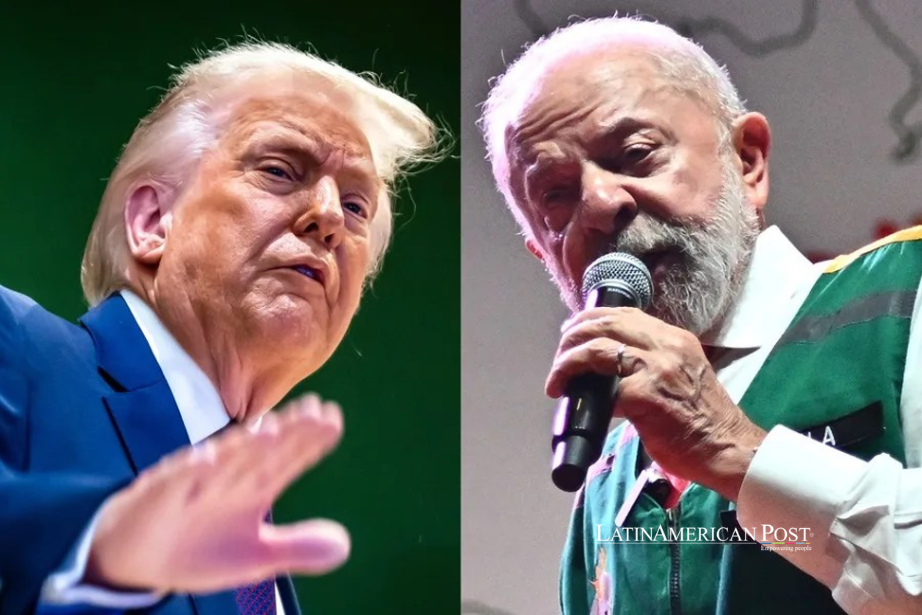
Lula’s reelection keeps Brazil outside Donald Trump’s expanding circle of regional allies, but the consequences extend beyond ideology. Trade, security, and China now test whether Washington can work with a regional power whose voters have chosen a different political path.
A Big Country Resists the Pattern
A tariff aimed at a president can reach somebody else’s paycheck. That connection between diplomatic pressure and livelihoods now hangs over Washington’s relationship with Brazil, where Luiz Inácio Lula da Silva has won another term despite an American administration invested in his political opponents.
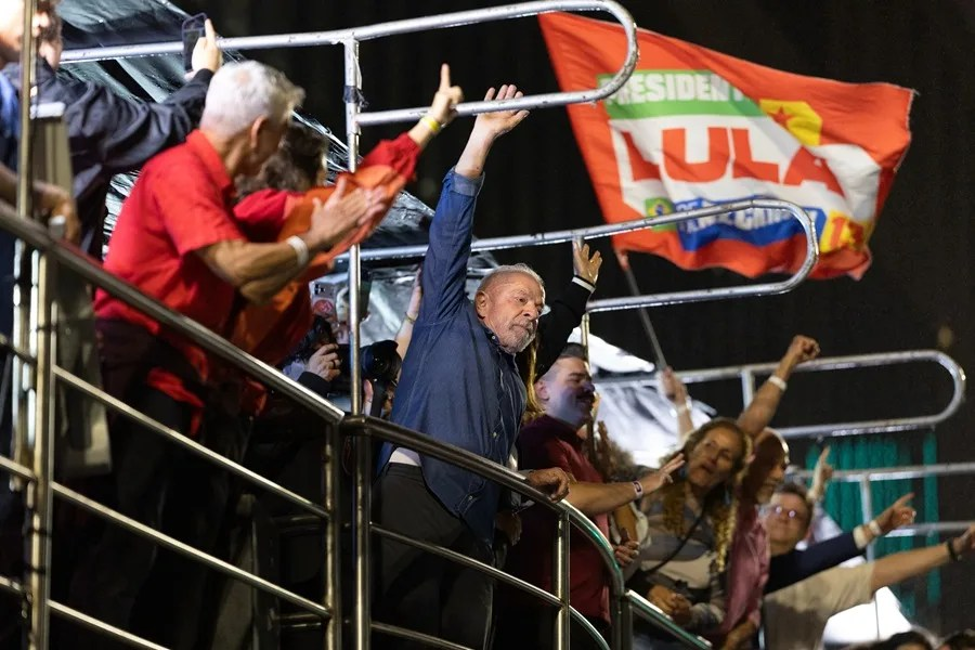
Lula defeated Flávio Bolsonaro with almost 52% of the vote, reversing a first-round loss in an unprecedented presidential comeback. Flávio refused to concede. The result denies Trump an ally governing Latin America’s largest economy. It also leaves a country divided by fewer than four percentage points.
That margin matters. Brazil has chosen who will negotiate with Washington; it has not produced a unanimous verdict on the United States. Nearly half of valid votes went to Bolsonaro. Treating Lula’s victory as proof of a uniformly hostile Brazil would repeat the mistake of confusing a president’s political project with an entire society.
Trump’s position had strengthened as rightward shifts from Chile to Colombia expanded his circle of allies. Venezuela’s alignment under Delcy Rodríguez followed Maduro’s capture by U.S. forces, a very different route to influence. Brazil interrupts the prospect of consolidating those gains around Latin America’s largest economy.
Trump’s revival of the nineteenth-century Monroe Doctrine frames regional relations around American primacy. Alongside Mexico under Claudia Sheinbaum, Lula’s Brazil preserves space to resist that hierarchy. Washington cannot assume its security and diplomatic priorities become the hemisphere’s priorities simply because several neighboring presidents agree.
The Price of Picking Sides
Trump never explicitly endorsed Flávio, unlike his open support for Colombia’s Abelardo de la Espriella. Benjamin Gedan, director of the Stimson Center’s Latin America program, told EFE that an endorsement could have harmed the Brazilian candidate, even though Trump was enthusiastic about the prospect of his victory.
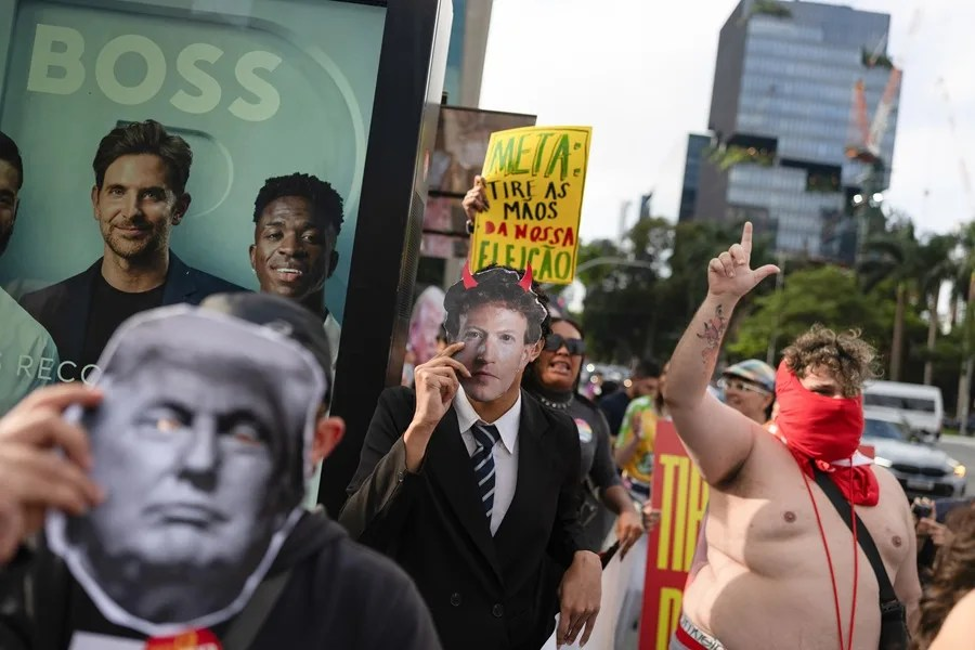
The administration’s actions nonetheless supplied a political message. It imposed steep tariffs in response to the prosecution of Jair Bolsonaro, later convicted over a coup attempt. Linking trade penalties to a former president’s legal predicament made businesses and workers potential bearers of the cost of Washington’s preferred political outcome.
In May, Trump met with Flávio in the Oval Office, giving a senator and presidential contender a prominent platform. Flávio requested terrorist designations for the Primeiro Comando da Capital and Comando Vermelho. Washington agreed days later, over Lula’s government’s objections about the risk of American intervention.
The dispute was about more than whether criminal organizations deserve punishment. It concerned who would define the security response and how much authority Brazil would retain over it. Flávio also promised to join Trump’s Shield of the Americas, placing Brazil closer to Washington’s regional security architecture.
A trade investigation, the revocation of the Brazilian ambassador’s visa and the suspension of American consular services two days before the first round added friction. Washington cited security for the consular suspension. Lula’s campaign presented the broader pattern as interference, giving him an argument that reached beyond leftist solidarity.
“We do not accept being anyone’s backyard,” Lula declared in his victory speech, as EFE reported. The force of that line comes from the contradiction it identifies: pressure intended to strengthen a favored candidate can make national independence an asset for his opponent.
China Complicates the Victory Map
Gedan described a Flávio presidency to EFE as offering “100 percent” alignment with Trump on culture wars and security policy. That assessment should not be mistaken for an economic forecast. Even a friendly Brazilian government would face domestic interests benefiting from trade with China.
Agribusiness belongs inside that calculation. Its importance to the Bolsonaro coalition would have complicated any attempt to sacrifice Chinese demand for ideological loyalty to Washington. A producer seeking dependable buyers does not acquire an alternative market merely because two presidents share political enemies.
This is where a regional strategy built on political friendship hits its limits. Governments can coordinate rhetoric and security operations more quickly than they can redirect commercial relationships. Brazil’s relationship with China therefore constrains both a progressive administration seeking autonomy and a conservative one seeking American approval.
Lula’s victory preserves diplomatic discretion, but it does not eliminate dependence on foreign markets. Autonomy will have to be exercised through negotiations that protect employment and trade while maintaining control over security policy. Refusing subordination is a position; sustaining productive relationships despite disagreement is the harder governing task.
Oliver Stuenkel, a Carnegie researcher, warned EFE that Washington’s ideological interventionism is counterproductive. “In the medium and long term, it will strengthen anti-American forces,” he said. His argument centers on accumulated political costs: governments change, but memories of tariffs and interference can outlive the leaders who imposed them.
The calendars sharpen that warning. U.S. midterm elections are little more than a week away. Trump’s scheduled departure from office in January 2029 comes roughly halfway through Lula’s next term, which extends through 2030. A strategy built around one American presidency must contend with governments that will survive it.
Brazil’s result does not end Washington’s influence. It makes that influence harder to exercise through ideological loyalty alone. The next test is whether Trump can negotiate with the president Brazilians elected, rather than pursue the political outcome he would have preferred.