Machado Returns to Venezuela, Challenging Washington’s Oil Bargain
María Corina Machado’s return to Venezuela puts cheering crowds beside a harder reality: Washington is negotiating oil access with the government she wants replaced. Her challenge now is to turn personal loyalty into electoral guarantees, with consequences for Brazil’s diplomacy with its neighbor.
A Homecoming Is Not a Handover
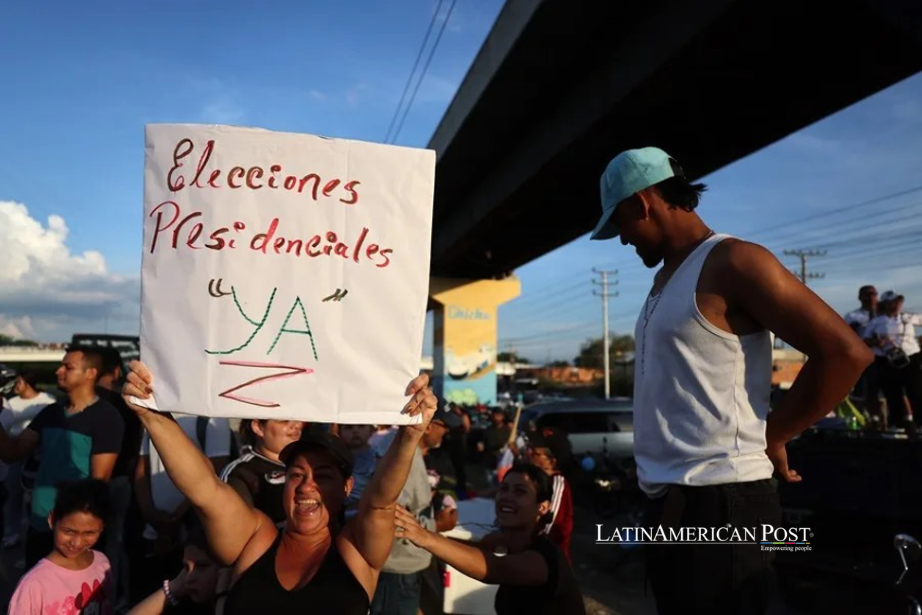
For Mariana Rodríguez, a 60-year-old teacher in Maracay, Machado’s return meant something larger than a politician coming home. It was “the door to freedom, to new hope,” she told EFE. She expected the government to sit down with the opposition leader and discuss elections.
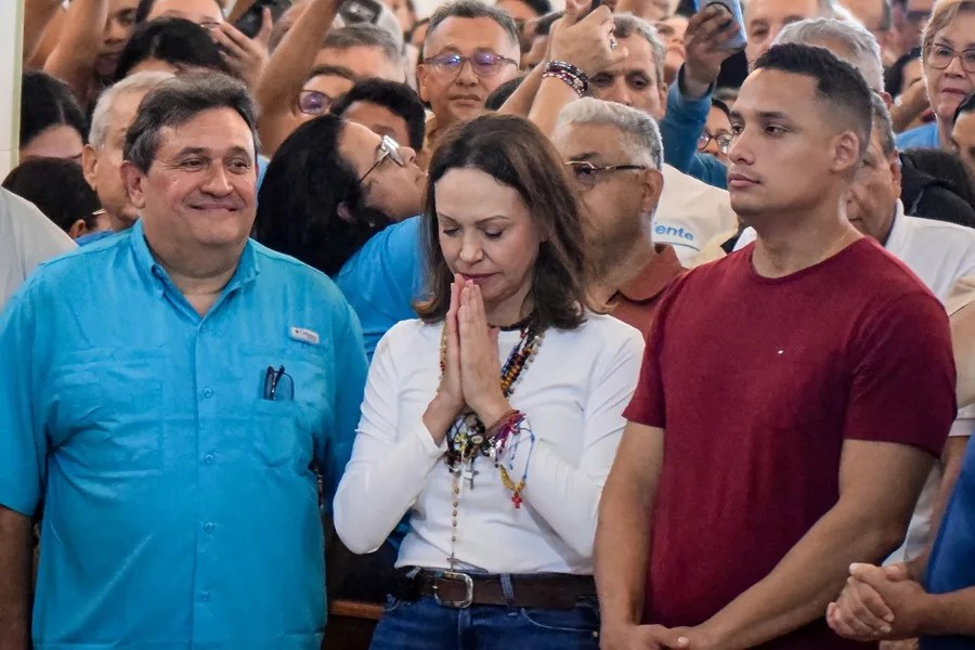
Along the route from Lara through Yaracuy, Carabobo, and Aragua to Caracas, EFE witnessed thousands greeting Machado’s convoy as it passed. Supporters brought gifts, reached out to her, and promised she would not be alone. Medical student Wilker Martínez told EFE that people would accompany her effort to rebuild the country.
Machado had spent ten months abroad after leaving clandestinely to receive the 2025 Nobel Peace Prize. Her team says seven previous attempts to return were blocked. The details of the successful journey remain undisclosed. She reappeared Sunday at a church in Santa Rosa and announced online that she was back.
The crowds show she can still mobilize supporters inside Venezuela. They cannot establish the size of a national electoral majority. A procession passes through selected places; those who attend choose to be there. Its political value lies in making an excluded leader visibly harder to disregard.
That distinction matters because Nicolás Maduro’s capture by U.S. forces in January did not itself transfer authority to the opposition. Delcy Rodríguez’s government remains Washington’s negotiating partner. Machado has returned to a country where removing its former president has advanced further than replacing its governing order.
Oil Moves Faster Than Elections
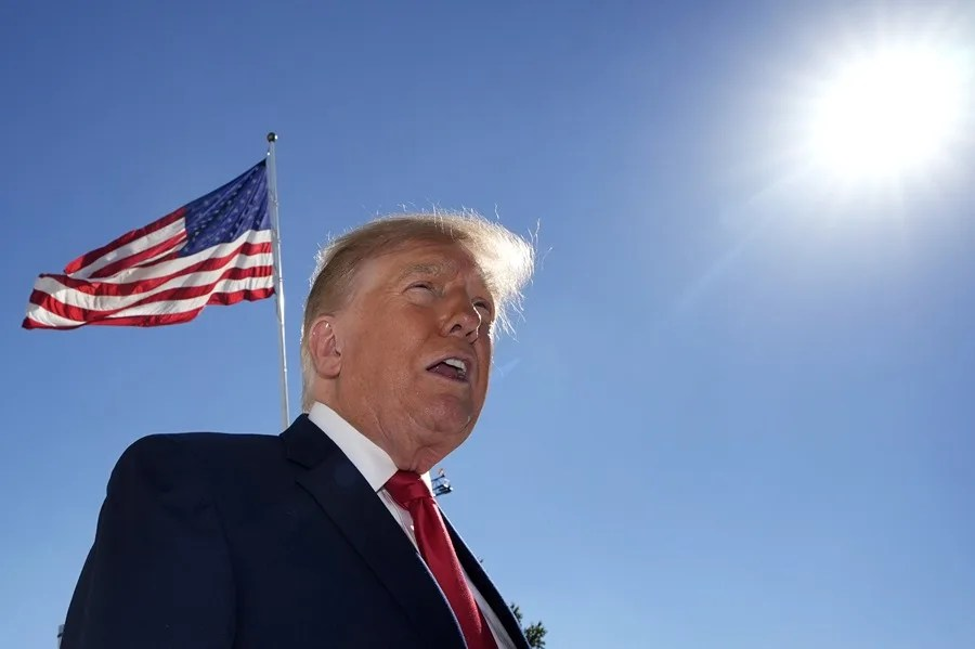
Machado’s longstanding faith in Washington has encountered a difficult calculation. Twelve days after Maduro’s capture, she met Donald Trump and presented him with her Nobel medal. The gesture secured neither a defined governing role nor a guaranteed timetable for Venezuelans to choose their next president.
Instead, Washington and Rodríguez negotiated over oil, mining, and gas. An August petroleum agreement, as EFE reported, gives the United States access to one-fifth of Venezuela’s crude reserves. That is 20% of a resource stock, not 20% of current production or immediately available export revenue.
The distinction is essential. Reserves describe oil underground; producing and selling it requires investment, infrastructure, and time. The fraction alone cannot reveal how much income Venezuelans will receive, what obligations the arrangement creates, or how much room an elected successor has to revise its terms.
The political incentive is easier to identify. If commercial cooperation delivers benefits before democratic concessions, the authorities controlling access to resources can become useful partners while postponing the vote that might displace them. Washington’s stated transition project risks making the existing government more valuable precisely because it remains in place.
Trump has called elections premature. Machado wants them advanced. His praise of her personality, and his expressed hope that she remains safe, do not resolve that disagreement. The crucial measure of American support is whether negotiations produce enforceable electoral commitments, rather than additional reassurance.
For Venezuela, this creates a dangerous separation between recovery and representation. Oil arrangements may bring investment while leaving citizens without a meaningful say in whether the state signs them. Economic improvement would matter enormously. It would not, by itself, answer who authorized the bargain.
Who Gets to Authorize the Future
The negotiation process exposes competing sources of legitimacy. Washington selected former lawmaker Dinorah Figuera to lead the opposition delegation because she represents the parliament elected in 2015. Machado’s leadership rests on her overwhelming 2023 primary victory and subsequent mobilization. These are different mandates, neither of which automatically establishes a right to govern.
A parliamentary mandate nearly eleven years old cannot settle who speaks for the electorate. Washington’s selection cannot substitute for consent from the people expected to accept a settlement.
The unresolved presidential mandate dates to July 28, 2024. The opposition says voting records show Edmundo González Urrutia won. Electoral authorities proclaimed Maduro the winner without publishing detailed results. Machado insists negotiations must acknowledge that election, making the disputed vote central to any new electoral arrangement.
A fresh election cannot simply erase questions about what happened in the previous one. Otherwise, denying verifiable results becomes a way to buy another negotiation. Any settlement must explain how future tallies will be published and checked, and why the next outcome will command enforceable respect.
Machado has said she is willing to negotiate with Rodríguez and will not obstruct the dialogue from which she is excluded. Her return could strengthen that position by demonstrating an organized constituency. It also raises expectations that street enthusiasm can extract concessions the existing talks have not delivered.
For neighboring Brazil, the diplomatic test is concrete: whether Washington treats an arrangement as sufficient stabilization, or judges it by Venezuelans’ ability to choose their rulers. Respect for sovereignty should include scrutiny of foreign resource bargains alongside defense of citizens’ political rights.
Back in Maracay, Mariana Rodríguez’s expectation was straightforward. Those in power should have to talk to the people who came to welcome her. Machado’s return makes it harder to ignore them. Venezuela’s transition will gain substance when their welcome becomes a vote whose consequences the powerful must accept.