Venezuelan Stars Chase Two Crowns as Latin America Keeps Rewriting Baseball’s Power Map
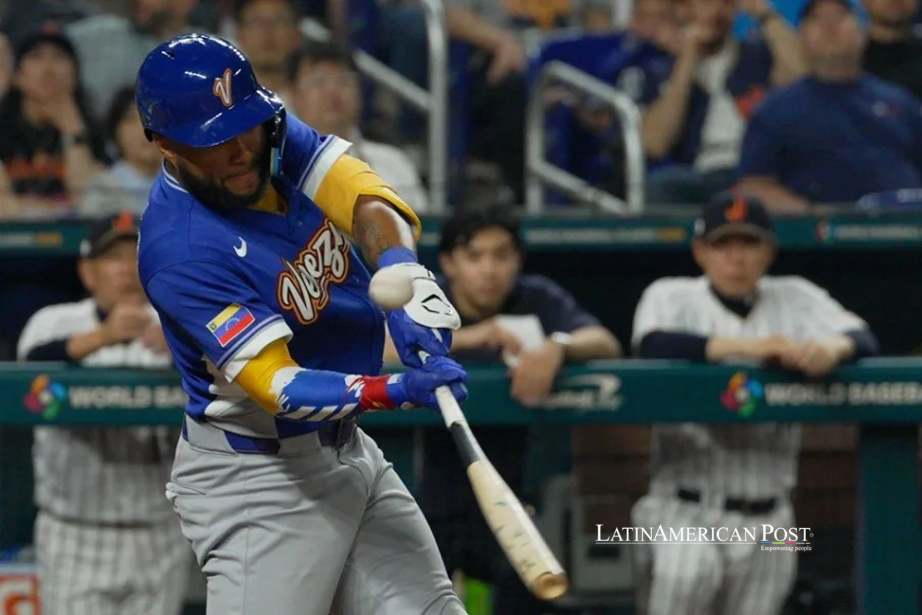
Three Venezuelan teammates stand two victories from an unprecedented baseball double, linking Milwaukee’s World Series chase to their country’s World Baseball Classic triumph. Their opportunity reveals how Latin American influence reaches beyond rosters into money, expertise, and the sport’s audiences.
Two Wins From a Rare Double
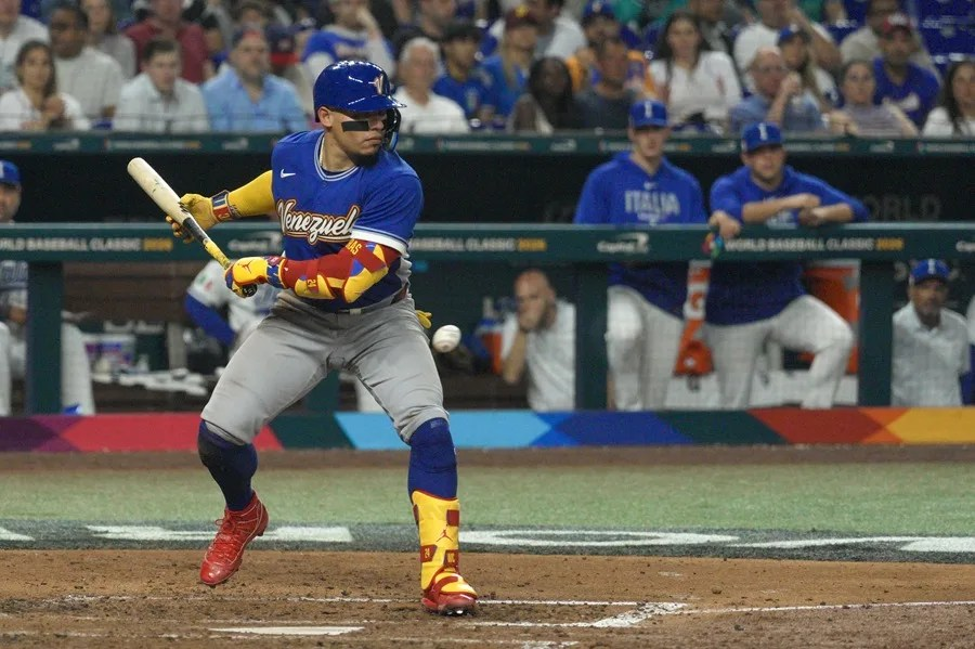
For a Venezuelan fan, a Milwaukee jersey can carry two allegiances this October. Jackson Chourio, William Contreras, and Antonio Senzatela are chasing a championship for their club while extending a national celebration that began in March. The distance between those loyalties is smaller than a map suggests.
The Brewers lead Tampa Bay 3-0 in the World Series after 3-2, 5-4 and 10-1 wins. One more win would make the trio the first Latin American players to capture the Classic and the World Series in the same year, according to the Caribbean Professional Baseball Confederation.
The achievement would be rare even beyond the region. The confederation identifies only two previous players with that distinction: Americans Alex Bregman and Luke Gregerson, who won both championships in 2017. The Classic’s intermittent schedule limits opportunities; national champions then disperse across franchises. Winning twice requires two successful teams, not simply one brilliant season.
Milwaukee’s advantage also deserves proportion. Over two games, the Brewers have outscored the Rays 8-6. A commanding series position has emerged from narrow margins. Those scorelines cannot tell us whether the next game will turn on a veteran’s adjustment, a defensive mistake, or one exhausted reliever.
The three Venezuelans occupy different parts of that machinery. Chourio patrols the outfield, Contreras works behind the plate, and Senzatela pitches. Their shared nationality connects distinct responsibilities. At catcher in particular, influence includes preparation, communication, and decisions made with pitchers, expertise less easily packaged than a towering home run.
The Numbers Behind the Flags
MLB’s Opening Day census counted 249 players born outside the 50 states on rosters and inactive lists. The Dominican Republic supplied 93 and Venezuela 60. Together, those countries accounted for roughly 61% of that group and 16% of the entire 948-player pool.
Those figures establish how central two Latin American countries are to the league’s workforce. They also require care: birthplace is not a complete measure of Latino identity, and the count includes injured players. U.S.-born players with Latin American family ties do not automatically appear in that international category.
The growth story is subtler than an endlessly rising headcount. Internationally born representation actually declined from 27.8% in 2025 to 26.3% this year. Claiming Latin America is taking over simply because more foreign players arrive every season misreads the evidence.
What is expanding is the visibility and commercial reach of national baseball identities. The 2026 Classic drew about 1.62 million spectators, up 24% from 2023. That increase reflects a global tournament that included powerful Asian teams. Still, Venezuela’s championship placed a Latin American national story at its center.
Venezuela brought an old baseball culture to that stage. Its 1941 amateur championship in Havana helped establish the sport as a shared national reference, decades before today’s scouting networks. The Caracas-Magallanes rivalry and other winter-league loyalties have sustained audiences with their own histories, expectations, and arguments.
Mexico’s 2023 Classic team offers a useful comparison. Cuban-born Randy Arozarena played for his adopted country after developing in Cuban and Mexican baseball. His career shows how expertise circulates within Latin America before reaching a U.S. franchise. Calling the region a talent supplier can obscure the local institutions and coaches whose years of patient work create the commercial value major league clubs eventually buy.
For families separated by migration, a national team offers something a franchise cannot always provide: the same shirt, no matter where relatives live now. Milwaukee’s Venezuelans connect that attachment to a season that follows them far beyond Wisconsin. Their success can turn national identification into sustained interest in an American club.
Talent Comes With a Price
Chourio’s career shows how seriously Milwaukee values that connection on the field. The Brewers guaranteed him $82 million over eight years before his major league debut. At 19, he secured extraordinary financial protection; the club locked in years when an exceptional player might otherwise cost far more.
That bargain matters for understanding Latin American influence. A young Venezuelan became central to a franchise’s financial planning before proving himself against major league pitching. Yet an early guarantee also exchanges some future bargaining freedom for present security. Celebrating the investment should leave room to recognize both sides of that trade.
Néstor Corredor offers another measure. A member of Milwaukee’s organization, he served Venezuela as a batting-practice pitcher during its championship run and could share in the double triumph through his technical work. Such jobs reveal the accumulated knowledge behind star performances, the repeated sessions that rarely make a highlight reel.
The harder question is how broadly baseball’s rewards travel. A championship does not guarantee young prospects adequate schooling, medical support, or protection when careers stall. Greater regional influence should eventually be visible in those conditions, alongside contracts and television audiences.
For now, two victories remain. If Milwaukee finishes the job, three Venezuelans will own an unprecedented pairing of titles. The deeper story will survive either result: Latin America supplies baseball’s labor, its practiced intelligence, and its emotional stakes. October’s brightest stage depends on work and loyalties formed well beyond it.