Yeison López’s New World Record Lift Illuminates Colombia’s Weightlifting Legacy and Social Divide
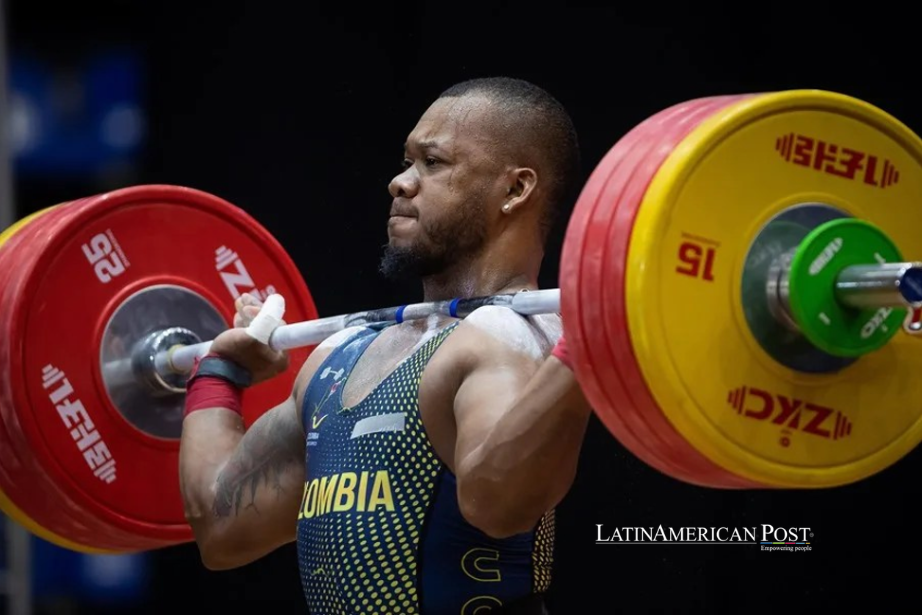
Colombian weightlifter Yeison López’s world record in China extends a tradition built far from football’s spotlight, revealing how regional training systems, Olympic ambition and unequal opportunity shape a country whose strongest sporting achievements often emerge from its most neglected communities.
The Gold Behind the Headline
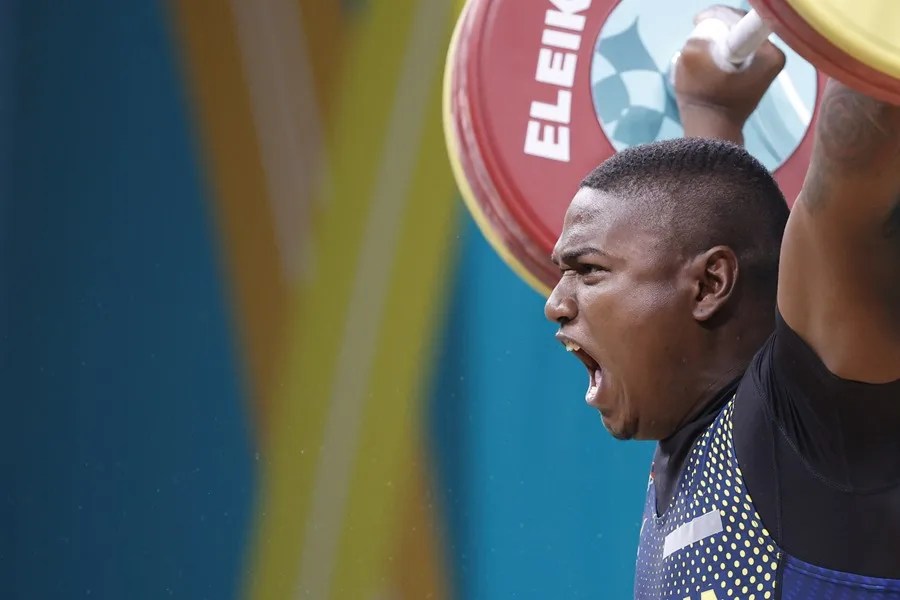
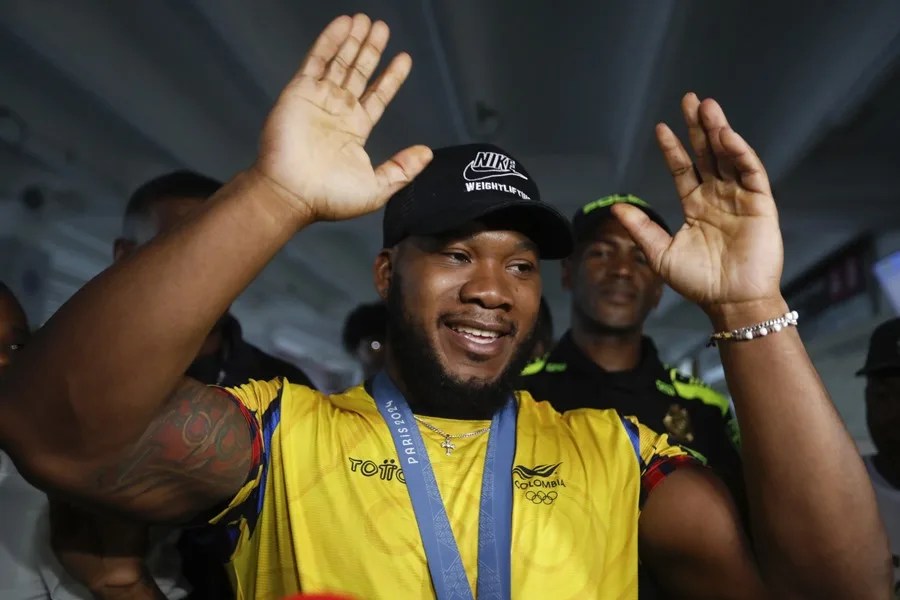
In competition footage from Ningbo, Yeison López celebrates with both arms raised alongside his Colombian team. Moments earlier, he had put 178 kilograms overhead in one movement. The number travels quickly. The years it takes to move that weight usually receive less attention.
On Monday, López won the world championship snatch title in the 85-kilogram division, setting a world record. He had missed his opening attempt at 175, recovered to make that weight, then added three additional kilograms. His winning lift exceeded twice the division’s bodyweight ceiling.
“We have the best on the planet!” the Sports Ministry declared in a social media message EFE reported. For the Olympic silver medalist from Istmina, Chocó, it was another international title. But the completed competition supplied a more complicated, more useful account than the celebratory headline.
López beat Egypt’s Mohamed Elsayed by one kilogram in the snatch. In the clean and jerk, however, Elsayed lifted 213 to the Colombian’s 209. The Egyptian won overall gold, 390 kilograms to 387. López’s unsuccessful attempt at 213 would have produced 391, enough to lead the final standings.
Those numbers matter because world championships award separate medals for both movements and their combined total. Olympic medals depend on the total alone. Snatch gold establishes extraordinary proficiency in one movement; overall silver shows precisely where the contest remained unfinished.
A Sporting Nation Beyond Football
Colombia’s sporting imagination grew across stadiums, roads, and municipal gyms. Professional football began in 1948, giving cities recurring rivalries and commercial spectacles. The Vuelta a Colombia followed in 1951, with Efraín Forero its first champion, making the country’s difficult geography part of a shared sporting drama.
Both competitions emerged amid the upheaval of La Violencia. Their appeal let Colombians recognize themselves through a club or regional champion while belonging to a wider national audience. Sport offered a shared focus in a country whose political divisions could turn murderous.
Olympic recognition followed a slower timetable. Shooter Helmut Bellingrodt won Colombia’s first medal, a silver, at Munich in 1972. The country waited until Sydney in 2000 for its first gold, delivered by weightlifter María Isabel Urrutia.
Her victory came at the first Olympics to include women’s weightlifting. An Afro-Colombian woman from Valle del Cauca reached the top step before any Colombian man had. That breakthrough widened the public image of who could embody national achievement.
Weightlifting also produced Colombia’s first male Olympic champion. Óscar Figueroa’s gold at Rio in 2016 gave the sport another defining figure, confirming that Urrutia’s breakthrough could become a tradition.
Since then, the results have given weightlifting unusual importance. Through Paris 2024, it accounted for 11 of Colombia’s 38 Olympic medals, nearly 29 percent, and had delivered podium finishes at seven consecutive Games. López and Mari Leivis Sánchez supplied half of Colombia’s four medals in Paris.
Medal counts cannot measure popular affection, and Olympic sports offer different numbers of events. Even so, seven successive Games indicate continuity beyond one exceptional athlete. Colombia has developed a competitive tradition that carries knowledge, expectations, and technical experience across generations.
The Distance Between Talent and Opportunity
López’s own journey reveals how unevenly access to that tradition is distributed. Violence forced his family from Chocó to Cali while he was a child. There, school and coaching opened a route into weightlifting. His sporting development depended on institutions and adults who could turn interest into sustained preparation.
The Colombian Olympic Committee’s account identifies his school, INEM, and early coach Jhon Rodríguez as crucial. It also describes transport support and training difficulties that complicated his progress. Behind the finished lift were practical problems: getting to a gym, finding consistent instruction, and continuing when arrangements fell apart.
When access to a training facility broke down, Rodríguez established another space in Siloé. The longer journey across Cali became another demand on a boy already rebuilding his life.
That geography deserves attention. Chocó could produce the athlete; Cali provided the setting where his ability developed. Celebrating both as equally represented by his medal risks overlooking the unequal availability of coaching, facilities and safe childhoods. A national victory can conceal sharply different local opportunities.
The changing competition categories require similar care with appearances. López won Olympic silver at 89 kilograms in 2024 and a world title at 88 in 2025. The international federation introduced revised divisions in August 2026, including the 85-kilogram category scheduled for Los Angeles 2028.
His new record belongs to that specific division. Comparing records across changing bodyweight limits can exaggerate straightforward narratives of improvement. The competitive task now includes sustaining power within a lower weight ceiling while strengthening the clean and jerk that determined Ningbo’s overall result.
For Colombian officials looking toward Los Angeles, the implications extend beyond congratulatory posts. Consistent coaching, nutrition, medical care, and international competition must survive the intervals between televised victories. Younger lifters also need an affordable route into that system before they become plausible medal contenders.
López has already made Colombia visible from the platform. What follows will help determine how many children can see a practical path toward joining him.