Malvinas Needs Workers, but Its New Arrivals Are Building More Than Careers
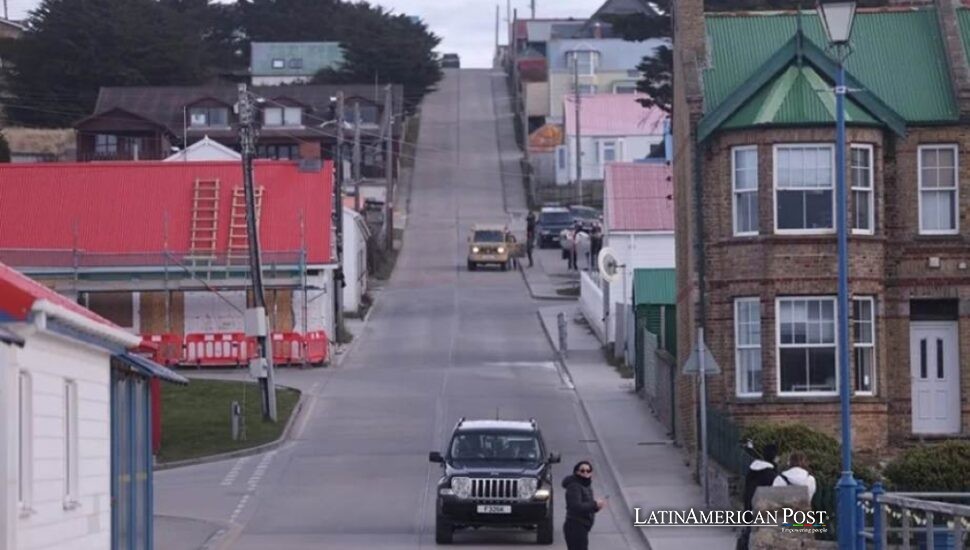
In the Malvinas, migration is changing more than the workforce. Chilean entrepreneurs, Filipino employees, and Zimbabwean former deminers are building families in a remote archipelago where economic opportunity, British administration, and Latin American connections coexist amid an unresolved sovereignty dispute.
A Small Place With Big Vacancies
Alex Olmedo came from Santiago and worked his way through different jobs and businesses before opening a hotel and restaurant on Stanley’s main street. Thirty-six years after arriving, the 56-year-old Chilean describes the islands to EFE as a place where young families can begin again.
He points to free health care and education. In his account, the attraction is not simply a larger paycheck. It is the chance to organize a life around services that feel dependable. What began as migration for work can become a decision about where children will grow up.
The census recorded a median annual employment income of £24,000 in 2021, against a £29,900 average. That gap matters: the mean did not describe the typical worker.
The arithmetic behind that welcome is unforgiving. The 2021 census estimated 3,662 usual residents. Between 2017 and 2021, it recorded 110 births and 111 deaths, yet the population grew by 264. Estimated net migration supplied 265 people. On balance, every person added came through migration rather than natural increase.
Stacy Bragger, a legislator involved in Multicultural Falklands, explained the staffing problem to EFE: a community smaller than many mainland neighborhoods must provide services resembling those of a small country. It cannot produce every teacher, doctor or nurse it needs.
Recruitment agencies help connect island employers with workers abroad, EFE reports. Meanwhile, many young islanders leave for further study in Britain after secondary school. Education expands their options while temporarily thinning the workforce available at home.
Recruitment therefore sustains both the economy and the services that make recruitment attractive. Migrants are not merely beneficiaries of public provision. They help deliver it. For island employers, the difference between a worker completing a contract and a family deciding to stay is consequential. One fills a vacancy; the other helps sustain a community beyond that contract.
Olmedo stresses that admission has expanded gradually, not through unrestricted borders. He associates controlled entry with economic security and public welfare. His account exposes a practical tension: more workers mean more capacity, but settling families also requires enough housing, classrooms, and medical appointments.
Offshore oil development could intensify that demand. Sea Lion’s operators are targeting production in 2028, rather than an immediate flow of oil revenues. For a small labor market, the crucial question is whether additional workers and infrastructure arrive together.
More Than a British Silhouette
Behind the streetscape’s British appearance sits a much broader population. The 2021 census recorded 71 countries or territories of birth. Among residents whose birthplaces were known, 44.6 percent were born on an island and 55.4 percent elsewhere.
British-born residents represented about 22 percent, and those from St. Helena roughly 11 percent. The Philippines and Chile each accounted for around 5 percent. These are birthplace categories, not a count of passports, political loyalties or people entitled to vote.
EFE found Latin American connections surviving in ordinary routines. Chileans and Peruvians gather at a familiar bar; Spanish remains a household language; barbecues and soccer offer reasons to meet. Smaller communities include Colombians and Venezuelans. Some Argentines arrived for employment, others through family relationships with islanders.
Their presence complicates a story usually told through two national flags. A Chilean can establish a business under British administration without abandoning Chilean identity. An Argentine family connection can endure within a sovereignty dispute. Migration makes these relationships visible without deciding the territorial argument.
Britain administers the archipelago, known in English as the Falkland Islands, while Argentina claims sovereignty. In the 2013 referendum, 99.8 percent of valid votes favored retaining British overseas territory status. London invokes self-determination; Argentina rejects its application to this dispute and calls for bilateral negotiations.
The census and referendum answer different questions. Birthplace figures collected eight years after the vote cannot establish how migrants voted, much less resolve sovereignty. Nor does choosing a secure job necessarily judge either government’s historical claim.

The Men Who Cleared a Future
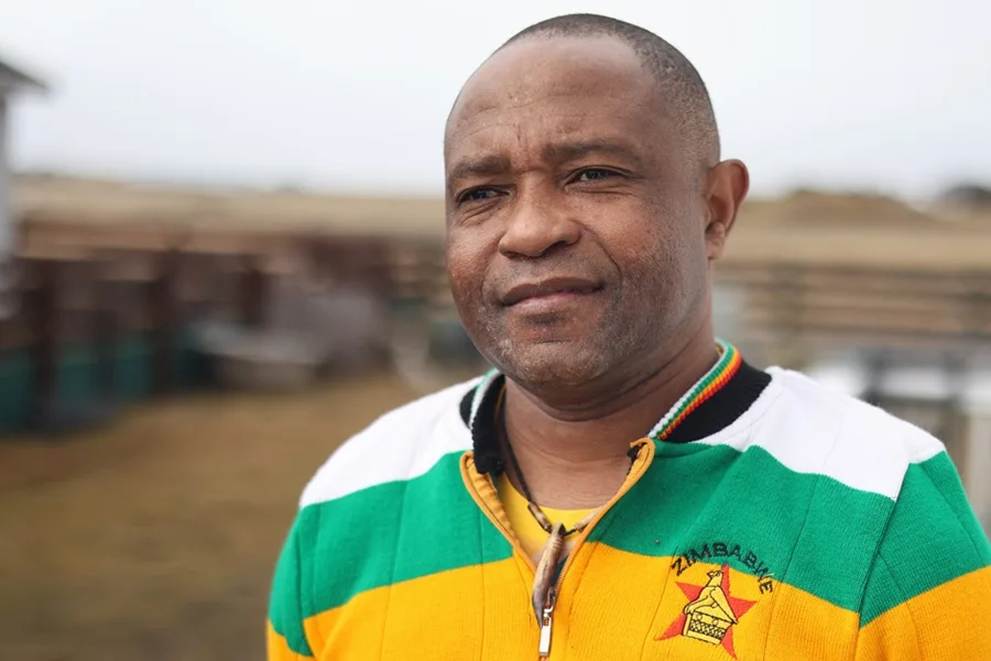
For Shupikaya Chipunza, the route to belonging ran through minefields. Zimbabwean specialists came to remove explosives left from the 1982 war between Argentina and Britain. The British-funded clearance program began in 2009 and finished in 2020, reopening ground that had remained dangerous for decades.
That work connects the islands to an often overlooked international geography of labor. Their recovery depended partly on African expertise. Chipunza had worked on demining operations in places including Afghanistan, Congo and Lebanon before seeking a quieter life, he told EFE.
When clearance ended, some workers stayed, found other employment and brought their families. Chipunza became a correctional officer. He remembers islanders showing their appreciation through invitations to meals and drinks, small gestures that made the transition from contractor to neighbor less abstract.
“They were happy we stayed because of what we had done,” he told EFE.
His family speaks Shona at home and English outside. The two languages carry different parts of the same life. No one should mistake that household arrangement for a diplomatic settlement.
“My children are more local than Zimbabwean,” Chipunza told EFE. He came to make the ground safe. His children have come to call it home.
Also Read: Cocoa Farmers Face a Bitter Twist as Heavy Rains Threaten Their Harvests