Colombia Confronts Pink Cocaine’s Hidden Ingredients as Hospitals Count the Human Cost
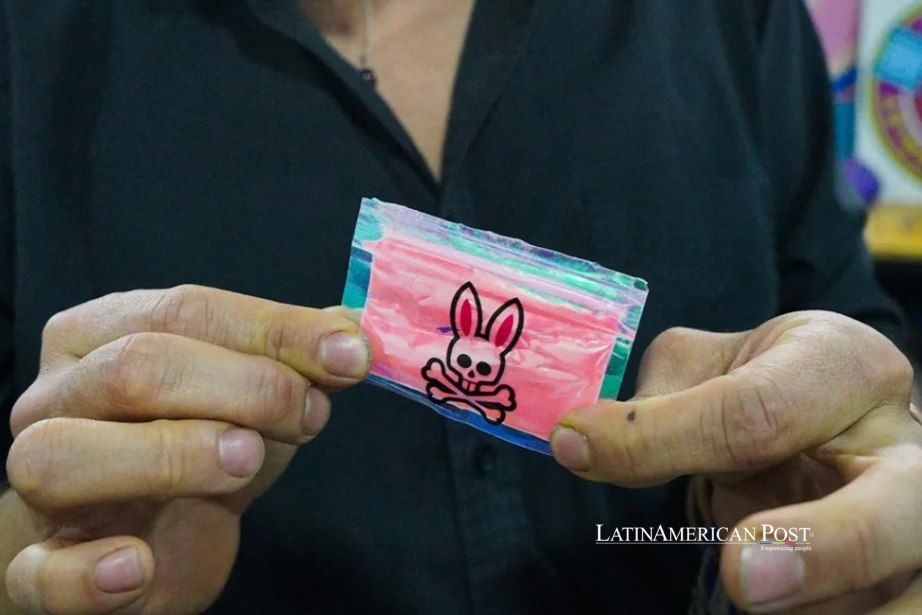
Young adults in Colombia are reaching hospitals with damaged circulation, and some have undergone amputations after consuming tusi. Behind pink cocaine’s fashionable image lies an unpredictable drug mixture, leaving doctors investigating its ingredients while an expanding market outruns reliable answers.
A Brand With Moving Ingredients
The pink powder arrived with a promise of exclusivity. Around 2010, tusi began circulating in Colombia among affluent partygoers, according to Estefanía Sánchez, director of the drug checking and harm reduction organization Échele Cabeza. Its color became a sales pitch. Now that recognizable appearance conceals a problem hospitals cannot identify by sight: the contents keep changing.
“Tusi is a platform for the inclusion of new psychoactive substances,” Sánchez told EFE. That distinction matters. Despite its “pink cocaine” nickname and association with the name “2CB,” the product described in the testing data is a variable mixture, rather than a dependable chemical identity. Buying the same color twice does not mean someone bought the same drug.
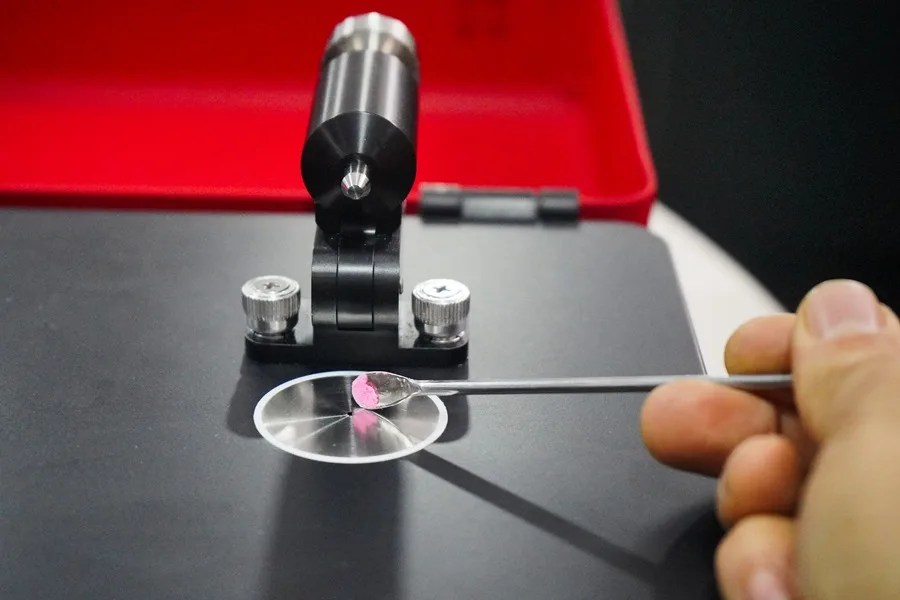
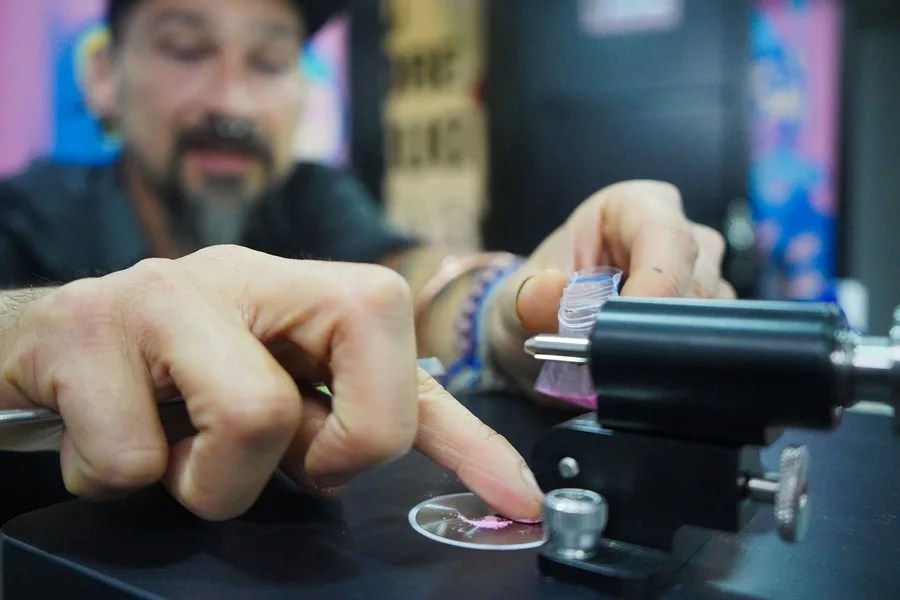
Échele Cabeza collected 4,522 tusi samples between 2021 and 2026. About 52% contained ketamine and MDMA, while nearly 10% contained ketamine and MDA. Those are combinations, not measurements of purity. The figures cannot tell a buyer how much of either substance is present, or establish that two powders with the same principal ingredients will produce identical effects.
Other samples contained caffeine, methamphetamine, and additional compounds. Nor does this collection constitute a census of Colombia’s supply: it describes substances reaching the organization, across several years. It cannot establish today’s national proportions or the likelihood of vascular injury. What it does document is inconsistency on a substantial scale, beneath a remarkably consistent commercial image.
Sánchez told EFE that consumption has moved beyond weekend gatherings into homes and kitchens, enabled by artisanal preparation. Colombia’s experience complicates the familiar image of drugs as exports destined for foreign consumers. Here, an aspirational product has found a domestic market, its elite associations surviving even as production and consumption spread beyond exclusive nightlife.
When the Party Reaches Surgery
In Antioquia, physicians are confronting the consequences. During a patient surge in May, three health institutions treated around 16 people, according to an initial compilation by specialists. Patients’ average age is approximately 27. At least three cases have required amputations, although the available figures do not establish whether all belong to that same May group.
“There was a very marked increase” in vascular abnormalities affecting limbs, Andrea Restrepo, president of the Colombian Association of Vascular Medicine, told EFE. The cases vary. Some patients improve; others require intensive care and efforts to restore circulation. Reported amputations include fingers or toes as well as more extensive procedures. These are young adults facing potentially permanent consequences.
The mechanism specialists describe is intense narrowing of blood vessels, restricting circulation to arms and legs. Without timely treatment, inadequate blood supply can progress to tissue death. But describing that process does not identify its chemical trigger. The clinical alarm is clear; the attribution to a particular ingredient remains unresolved.
Seizure records offer another signal, with their own limits. Colombia’s Justice Ministry recorded 54,266 doses confiscated in 2024 and 68,862 in 2025, an increase of 26.9%, or 14,596 doses. That is a considerable rise in intercepted supply. This does not mean consumption, the number of consumers, or the risk of amputation increased by the same percentage.
Enforcement intensity and reporting can affect seizures, while a counted dose says little about chemical composition. For Colombia, the policy challenge is therefore more demanding than announcing larger confiscations. Police totals describe interception. Hospitals describe injury. Neither dataset, on its own, explains which mixtures are causing the damage or how widely those mixtures circulate.
An Alarm Without an Answer
Restrepo told EFE that studies involving the University of Antioquia and the Toxicological Institute identified brominated methamphetamines in samples associated with the cases. That finding is a lead, not a verdict. Detecting a compound in associated samples does not, by itself, show that it caused the injuries, explain the relevant exposure, or rule out interactions with other substances.
Sánchez emphasized to EFE that the responsible substance or combination has not been established. She also mentioned xylazine, a veterinary sedative, as a hypothesis whose presence in tusi her organization has been unable to confirm. Treating that possibility as a discovery would substitute a familiar suspect for evidence and could misdirect an already difficult investigation.
Toxicologists, emergency services and vascular surgeons are developing treatment protocols and a shared patient database. Its value will depend on connecting clinical histories with reliable substance analysis wherever possible. A larger case count can reveal patterns, but only careful comparisons can help distinguish a recurring ingredient from a coincidental finding in an unstable market.
The findings also strengthen the case for treating drug checking as public health intelligence. An organization receiving powders from consumers and a surgeon treating damaged circulation see different parts of the same trade. Linking those observations offers something the pink branding cannot: information about what is actually circulating, and a chance to detect changes before more patients arrive.
For patients, the uncertainty is painfully concrete. Recovery may mean intensive care; in the worst cases, it means living with irreversible loss. Colombia has enough evidence to take that suffering seriously. It still lacks the evidence to name the culprit inside the powder. The color supplies no reliable answer.