Brazilian Chapecoense Relegated Again: Tragedy’s Long Shadow and the Harsh Realities of Football
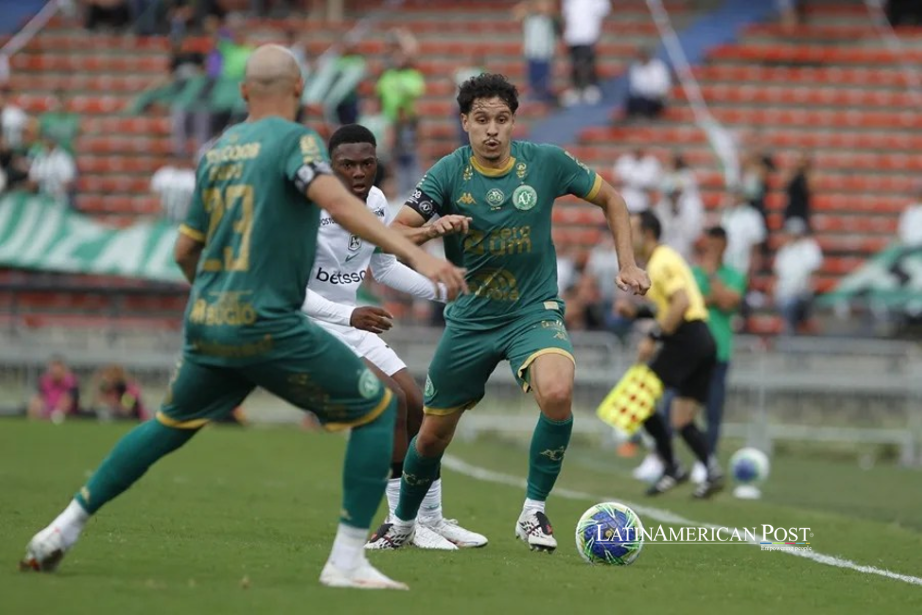
Nearly ten years after the plane crash that devastated Chapecoense, the Brazilian club is relegated again. Its collapse reflects lasting institutional damage, financial constraints, and recent football failures, raising a difficult question about where tragedy’s consequences end and accountability begins.
A Defeat Beyond One Goal
Anderson tried to lift his own rebound over the crossbar. Instead, Chapecoense’s goalkeeper sent the ball into his net. That mistake, alongside a disputed penalty, sealed Tuesday’s 2–1 defeat against Mirassol and relegation with five matches remaining. One dreadful moment supplied the image. It did not explain the season.
For Chapecó, in western Santa Catarina, the timing carries particular weight. November 28 marks ten years since the aircraft carrying Chapecoense to Medellín for the Copa Sudamericana final crashed after running out of fuel. Seventy-one of the 77 people aboard died, including 19 players, alongside coaches, club officials and journalists.
The loss dismantled a working institution as well as devastating families. Replacing players meant replacing relationships, expertise and the collective knowledge behind an extraordinary rise. Those consequences cannot be reduced to whether a replacement striker scored enough goals.
Colombia’s Atlético Nacional asked that Chapecoense receive the continental title, and CONMEBOL agreed. Benefit matches and international assistance followed. That solidarity mattered enormously, but emergency support could not guarantee a permanent competitive advantage in Brazil’s domestic league.
The crash did not make relegation inevitable. Chapecoense finished eighth in Série A in 2017, its best finish, and won the 2020 Série B championship. Those recoveries complicate the comforting but misleading idea that every subsequent defeat was written into the disaster. Rebuilding was possible. Maintaining it proved harder.
Nobody can establish where Chapecoense would stand today without the crash. The stronger conclusion is narrower: it imposed exceptional rebuilding costs and disruption, while later results show that management choices still shaped the club’s performance.
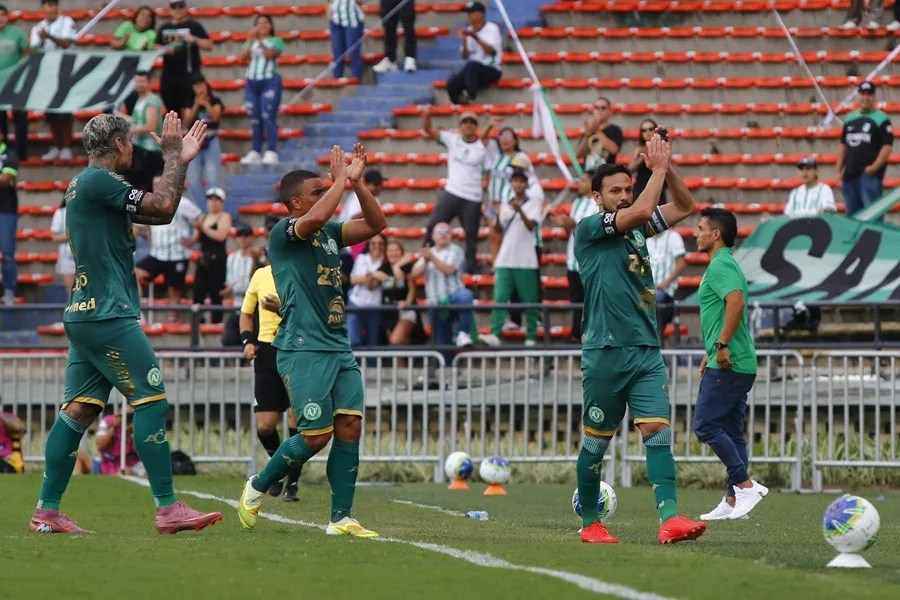
The Bills Outlasted the Tributes
Nevertheless, concrete evidence shows the tragedy continued to shape the club’s finances. Its 2025 accounts identified 27 accident-related labor claims with estimated probable exposure of 22.57 million reais. Another 11.51 million reais concerned other proceedings. These were accounting estimates, not a statement that those sums had already been paid.
That distinction cuts both ways. The disaster’s financial consequences were real, while the accounts also identify obligations beyond it. Families seeking compensation should not become convenient explanations for football decisions made years later. Their losses and the club’s sporting responsibilities belong in the same history, without one canceling the other.
In September 2025, a court closed Chapecoense’s judicial restructuring after reviewing compliance with its repayment plan. The original process involved approximately 79.7 million reais and more than 800 creditors. Exiting judicial supervision represented progress; it did not mean every future obligation had vanished or that the club suddenly possessed a competitive transfer budget.
The current squad’s estimated market value, roughly $25 million, is nearly one-tenth that of Palmeiras or Flamengo. Market value is not payroll, cash available, or actual expenditure. Still, the disparity illustrates how little room Chapecoense has for recruitment mistakes against opponents able to assemble far deeper pools of talent.
For a club outside Brazil’s biggest football markets, that margin matters. Promotion restores access to the elite without automatically supplying an elite squad. Relegation then threatens revenue, making the next rebuild harder. The danger is a recurring cycle in which financial restraint produces sporting vulnerability and sporting failure further narrows financial choices.

Four Coaches and Too Little Time
This season’s decisions intensified those vulnerabilities. Gilmar Dal Pozzo opened with a 4–2 victory over Santos, then collected four draws and three defeats. Fábio Mathias managed one point from 21 available. Interim coach Celso Rodrigues and successor Rafael Lacerda completed a four-coach sequence that never produced durable improvement.
During the World Cup break, the club attempted wholesale reconstruction: 15 players transferred out, another three departed on loan, and 11 arrived. Such turnover can correct bad recruitment. It also demands that new combinations learn to function while results remain urgent. Here, the overhaul delivered movement without enough improvement.
Dylan Borrero, recruited from América de Cali in August, contributed only 81 league minutes across four appearances, with no goals or assists. That is too little evidence to dismiss his ability, but plainly too little playing time to rescue the campaign. Yago Felipe supplied one assist in 834 minutes.
Meanwhile, Marcinho led the team with five goals. At 37, Giovanni Augusto supplied seven assists and two goals. Their contributions mattered, but an attack led by a five-goal scorer offered little protection against defensive mistakes.
The broader numbers are unforgiving: 33 goals scored, and 68 conceded in 33 matches, with only two clean sheets. Chapecoense allowed just over twice as many goals as it scored. Average possession of 42.5% was not inherently fatal; combining limited control with 3.5 shots on target per match and such defensive exposure was.
The 207 days between league victories, from January 28 to August 23, amounted to nearly seven months. Later wins over São Paulo, Corinthians and Fluminense came too late. Twenty-one points from 33 games meant fewer than two points every three matches.
The crash left lasting human, institutional and financial damage. This relegation also required contemporary failures in recruitment, continuity and performance. Respecting Chapecoense means recognizing both, without asking its supporters to accept perpetual sporting disappointment as the unavoidable price of remembrance.