Mexico Puts Disaster Warnings in Your Pocket Without Charging for the Lifeline
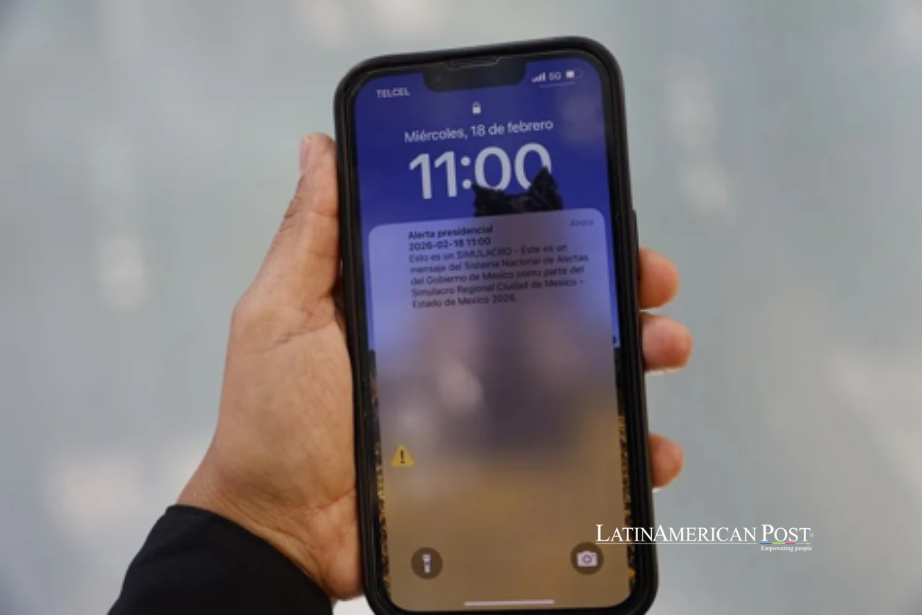
Mexico is expanding cellphone alerts beyond earthquakes, turning ordinary handsets into emergency messengers. Across Latin America, the promise is enormous: warnings that need neither internet nor prepaid credit. But reaching a phone is still not the same as reaching safety.
A Warning Without a Balance
A prepaid phone can run out of credit before a storm runs out of rain. Mexico’s planned expansion of emergency alerts promises that households can receive warnings without buying data or adding money to their lines. It is a technical distinction with potentially enormous human consequences.
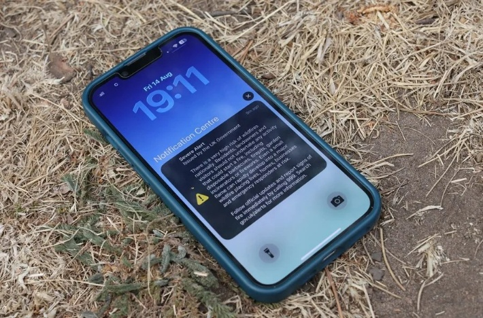
Announced September 7, the change extends cellular warnings beyond earthquakes to other dangers, including hurricanes and wildfires. A new maximum alert will have its own sound, while the earthquake signal remains unchanged. Less urgent civil protection notices will use the phone’s standard text-notification sound.
Those notices may arrive hours or days beforehand, when conditions permit, and continue afterward. The distinction makes room for preparation rather than permanent panic. A warning about tomorrow’s severe rain could help a school reconsider dismissal arrangements. Instructions after flooding could prevent a family from returning before authorities consider its neighborhood safe.
Delivery relies on cell broadcast, which sends warnings to compatible phones within a designated area without requiring an app or individual subscription. But no internet does not mean no cellular network. A dead battery or damaged communications infrastructure can still break the connection.
Operators plan to expand in the final quarter of 2026, after they complete technical changes. The announcement supplied neither a precise launch date nor details of public testing. A regulatory promise doesn’t prove every handset is ready.
A Region With Unequal Risks
The timing is uncomfortable. On October 8, EFE reported that Tropical Storm Simón threatened western Mexico and could become a hurricane before the weekend. A system still being prepared cannot be counted as protection already delivered. Residents need functioning warnings now, not merely a commitment on an administrative calendar.
Beyond Mexico, the World Meteorological Organization’s September outlook projected an almost certain continuation of El Niño through February 2027. That forecast concerns a Pacific climate pattern, not the probability of disaster at every Latin American address. Turning a regional outlook into useful advice requires local forecasts and knowledge of who lives in danger.
In a flood emergency in Peru or Ecuador, a useful message would identify threatened communities and what action they should take. During a Colombian water shortage, advance notices could help organize access to emergency supplies. Those are different tasks. Neither is accomplished by sending everyone the same alarming sentence.
Mexico would not be introducing an unknown idea to its neighbors. Chile already uses cellular emergency alerts, including for tsunami and wildfire threats. Its experience underscores the importance of practicing what follows the sound: evacuation drills test routes and coordination, not just whether a screen lights up.
Brazil offers numbers worth examining. By December 4, 2025, its Defesa Civil Alerta system had issued 630 messages, including 24 demonstrations. That leaves 606 actual warnings, not 630 disasters prevented. Santa Catarina and São Paulo together accounted for 446 messages, approximately 71% of the total.
That concentration does not establish that other states were neglected. Different hazards, rollout dates, and institutional capacities complicate comparisons. But it shows why counting messages nationally is insufficient. Mexico should measure warning reach against the population actually exposed, then investigate where reception, comprehension, or the ability to act breaks down.
The Distance After the Beep
The strongest regional opportunity is cooperation, not another competition over technological firsts. Governments could share tested message formats and methods for checking delivery. Border communities should not receive contradictory instructions simply because the same river passes through two administrations. Shared standards would be more useful than identical publicity campaigns.
Still, an evacuation order can carry costs that a free message cannot eliminate. Consider a household without a car, or a worker afraid of losing a day’s earnings. For an older resident, the missing link may be a ride. Authorities should pair warnings with accessible transport and credible shelter arrangements. Otherwise, officials risk mistaking an inability to leave for indifference.
Language belongs inside that planning. A warning intended for a Quechua-speaking community should not depend on somebody finding a translator while conditions deteriorate. Accessibility for people who cannot hear the alarm or read the screen also needs testing. Community radio and local emergency networks should remain alongside the phones.
Mexico’s decision to make the messages impossible to deactivate increases the government’s responsibility to use them carefully. Distinct sounds will mean little unless residents understand their urgency. Repeated unnecessary interruptions could erode that understanding. Public exercises should teach the difference between advance advice and an immediate warning without suggesting every hazard allows equal preparation time.
The announcement also opens a less spectacular possibility: staying useful after the television crews leave. Follow-up notices could explain when services resume or when returning remains unsafe. Such information would help households make decisions during recovery, not just during the dramatic hours when a storm has everybody’s attention.
The regional lesson is not that Latin America needs more noise in its pockets. It needs warnings that reach people early enough to matter, followed by practical help. The phone’s balance should not decide who hears the danger. Nor should the balance in the household decide who escapes it.