Brazil Runoff: Bolsonaro’s New Slim Poll Lead Tests Voter Loyalty
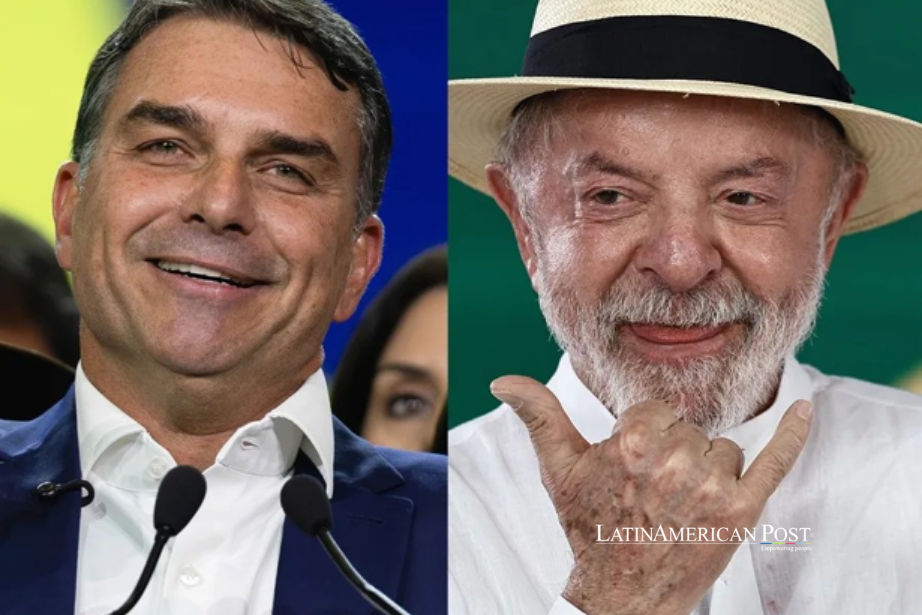
Flávio Bolsonaro leads Brazil’s first presidential runoff poll, but endorsements don’t transfer ballots. As Lula searches for a comeback, the numbers reveal hardened loyalties, uneasy alliances, and a narrow opening for voters weary of the country’s familiar political feud.
A Lead With Fine Print
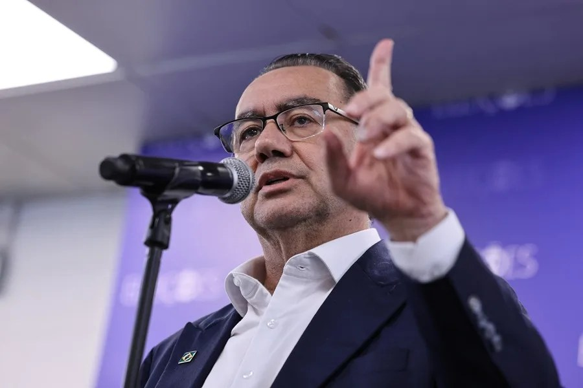
Augusto Cury wanted his endorsement understood as something other than surrender. After a long conversation with Flávio Bolsonaro, the psychiatrist and self-help author backed the senator on October 8, while insisting the arrangement was not a blank check. For the millions who supported his alternative to Brazil’s political polarization, the uncomfortable part comes next: deciding whether to make their candidate’s compromise their own.
Bolsonaro, eldest son of former President Jair Bolsonaro, enters the October 25 runoff with an advantage. Datafolha puts the far-right Liberal Party candidate at 49%, against 45% for President Luiz Inácio Lula da Silva of the Workers’ Party. The survey interviewed 2,520 voters and reports a two-point margin of error at 95% confidence.
Datafolha describes a technical tie because the candidates’ reported intervals meet. That does not make their measured support identical. Nor does a four-point lead establish victory. The first round already punished complacency: Bolsonaro took 47.03%, while Lula received 45.16%, reversing the order anticipated by pre-election surveys.
Another trap lies in comparing those figures. The first-round percentages count valid votes, while the poll’s headline includes blank ballots, invalid votes, and undecided respondents. Excluding those groups produces approximately 52% for Bolsonaro and 48% for Lula. Reading his rise from 47.03% to 49% as a straightforward gain confuses different denominators. A survey records an electorate’s answers, not completed ballots.
Together, the two finalists captured 92.19% of valid first-round votes, leaving all other candidates with just 7.81%. That measures electoral concentration, not the disappearance of moderation. Some voters may have chosen strategically rather than wholeheartedly. Still, Cury’s leverage is striking: his constituency is small compared with either finalist’s, but large compared with the gap separating them. His supporters now face a question their first ballot left open: which compromise can they live with on election day?

Allies Are Not Ballot Couriers
Cury finished third with 2.89%, roughly 3.4 million votes. That exceeds Bolsonaro’s first-round advantage of about 2.2 million, which helps explain the attention around his endorsement. But those votes are not a suitcase he can hand over. Some supporters may follow him enthusiastically. Others may regard backing either finalist as abandoning the reason they chose him.
The arithmetic matters. Suppose Cury’s voters were divided 60% for Lula and 40% for Bolsonaro. Lula would gain a net advantage of about 680,000 votes from that group, not 3.4 million. Holding everything else constant, that would erase less than one-third of his first-round deficit. Reverse the split, and Bolsonaro widens his advantage by the same amount. This is an illustration, not a forecast.
Cury tied his support to expectations of fiscal responsibility and democratic institutions. He also sought to protect women and end presidential reelection. The significance lies in the tension: a campaign against polarization is now lending legitimacy to one of its principal protagonists. Conditions make that choice explainable. They do not guarantee how a victorious government would behave.
Bolsonaro has also secured endorsements from former governors Ronaldo Caiado of Goiás and Romeu Zema of Minas Gerais. Parties including Republicanos and União Brasil are gathering behind him. Their practical value could extend beyond publicity to local campaign networks and volunteer mobilization. Lula, meanwhile, has yet to attract comparable backing from the principal defeated candidates. The opposition is broadening its alliance while the incumbent searches for an opening.
Rejection Has Electoral Muscle
The poll’s most revealing divide concerns motivation. Among Lula supporters, 84% identify him as the better candidate, while 13% primarily want to defeat Bolsonaro. Among Bolsonaro supporters, 69% choose him because they prefer him, and 25% want Lula defeated. Neither coalition is explained by hostility alone. But opposition to Lula accounts for a much larger share of Bolsonaro’s support.
Applied to the headline shares, those responses imply approximately 38% of the entire sample choosing Lula chiefly on candidate preference, against 34% choosing Bolsonaro that way. Lula therefore has the larger affirmative constituency by this measure, yet the smaller overall coalition. There is no contradiction. A ballot cast against an incumbent counts exactly as much as one cast enthusiastically for his challenger.
Nor does the tiny undecided share mean persuasion is finished. Only 1% remain undecided, and 5% intend blank or invalid votes. Among people who name a candidate, 94% say their choice is firm, but 6% say it could change. That potentially movable group represents roughly 5.6% of the whole sample, using the rounded figures. It is not a reserve belonging to either campaign.
Lula is revising his communications strategy, particularly online. Radio and television campaigning resumes October 9, and both finalists have agreed to at least one televised debate after declining earlier encounters. A better video cannot automatically resolve distrust. A debate, however, could force promises out of campaign statements and into questions that the other candidate can challenge.
For voters drawn to Cury’s promise of national reconciliation, the final choice may remain uncomfortable. They haven’t disappeared into an endorsement photo. Bolsonaro has the lead and the growing alliance; Lula retains substantial support and a route back into contention. The endorsement is settled. Voters still have to live with the government that follows.