Lula’s Comeback: A Divided Mandate and the High Cost of Governing Brazil
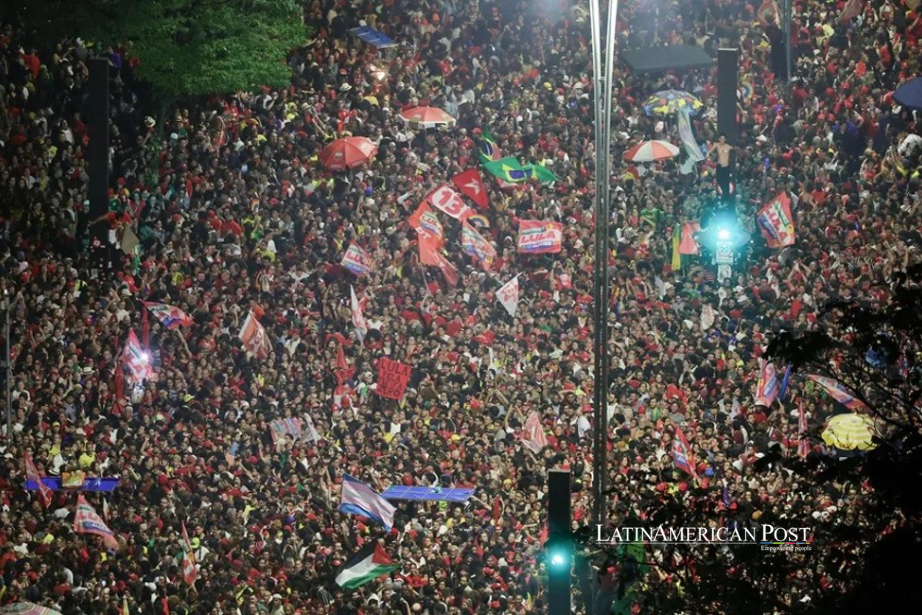
Lula’s historic election comeback gives Brazil four more years of familiar leadership, but a divided electorate, a hostile Congress, and a disputed voting extension leave his government facing a harder task: turning political survival into a future beyond its president.
The Comeback Has Limits
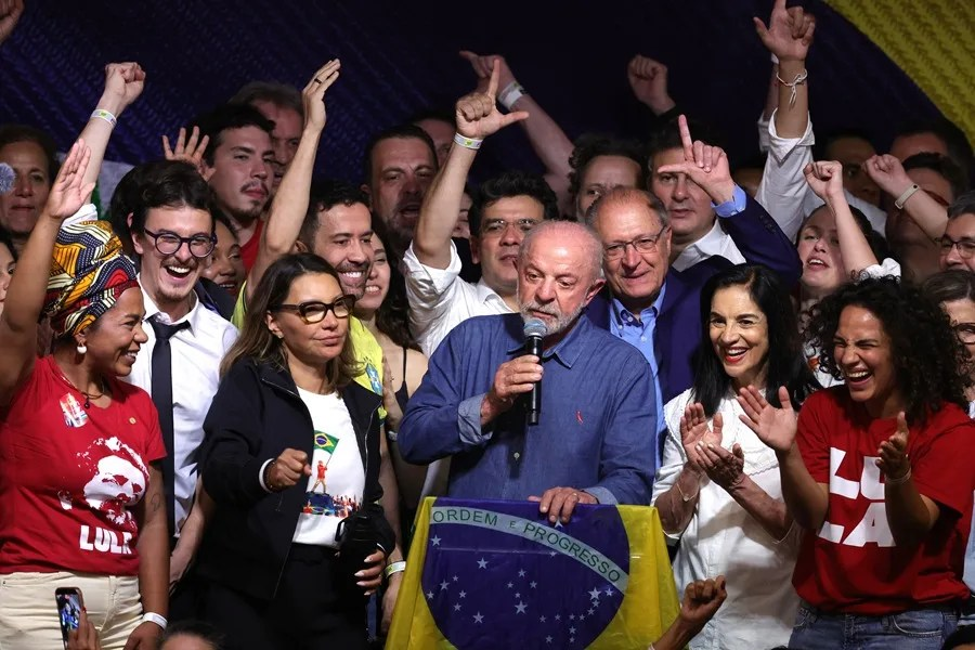
For Brazilians hoping for a smaller monthly debt payment or fewer hours at work, Sunday’s result offers more immediate promises than presidential history. Luiz Inácio Lula da Silva won 51.79% against Flávio Bolsonaro’s 48.21%, securing an unprecedented fourth elected term. The celebrations, however, cannot settle the bills that helped animate his campaign.
The reversal was substantial. Lula erased a first-round deficit of roughly 2.2 million votes and finished approximately 4.4 million ahead. That represents a shift of about 6.7 million votes between the candidates. It does not mean 6.7 million people switched sides.
Transfers from eliminated candidates, changes in invalid ballots, and increased participation can all alter that gap. Abstention fell almost two percentage points. Lula’s renewed street campaigning and digital mobilization accompanied that recovery, but the national totals alone cannot establish which intervention persuaded which voter.
The final polls had put Bolsonaro at 51% and Lula at 49%. Lula’s eventual share was 2.79 points higher than that projection. Without examining each survey’s uncertainty and turnout assumptions, the reversal should not become proof that polling itself is worthless.
Nor does victory establish a broad ideological conversion. Nearly half of valid ballots went to Bolsonaro. Lula defeated the family’s candidate while voters elected a more conservative Congress. Brazil’s presidency and legislature therefore carry competing mandates, setting up negotiations in which an electoral victory buys authority without guaranteeing the votes to exercise it.
The lesson for the Workers’ Party is uncomfortable. Its strongest asset remains Lula’s ability to bring together people who want different things: social protection, democratic stability, or to defeat Bolsonaro. Keeping that coalition together requires achievements its members can recognize outside an election campaign.
A Paycheck Is a Political Argument
Lula’s late campaign measures addressed the arithmetic of ordinary life. Working-time legislation, debt forgiveness for millions of self-employed workers, and incentives for gaming put employment and disposable income alongside warnings about authoritarianism. They also suggested an effort to reach workers beyond the traditional union constituency.
The future test is implementation. Debt relief can free money for household spending or a small business. Without steadier earnings and affordable credit, however, forgiven obligations can become fresh arrears. A policy that produces relief once must be judged differently from one that reduces the need for repeated rescue.
Changes to working hours pose another practical challenge. Less time on the job can mean more time with children, studying, or resting. Whether those gains reach workers depends on enforcement, wage protection, and employers’ ability to reorganize production. Workers outside formal employment may receive little direct benefit.
That is where the congressional shift matters. Lula will need legislators whose priorities may conflict with his own to finance programs and sustain reforms. Every concession creates a distributional question: does the bargain preserve benefits for workers, or redirect public resources toward the politicians whose support makes passage possible?
The campaign’s comparison between Bolsonaro and Argentina’s Javier Milei gave cuts a recognizable face. Governing requires more precision than that warning. Brazil must distinguish spending that protects income or builds productive capacity from spending that purchases political accommodation. Treating every expenditure as equally indispensable would weaken the case for social investment.
For the progressive coalition, the danger is a familiar trap: mobilizing around material dignity, then explaining that parliamentary survival leaves little room to deliver it. Repeated disappointment could strengthen the next conservative challenger, especially if that candidate carries less baggage than the Bolsonaro surname.
The Next Crisis Cannot Be Inherited
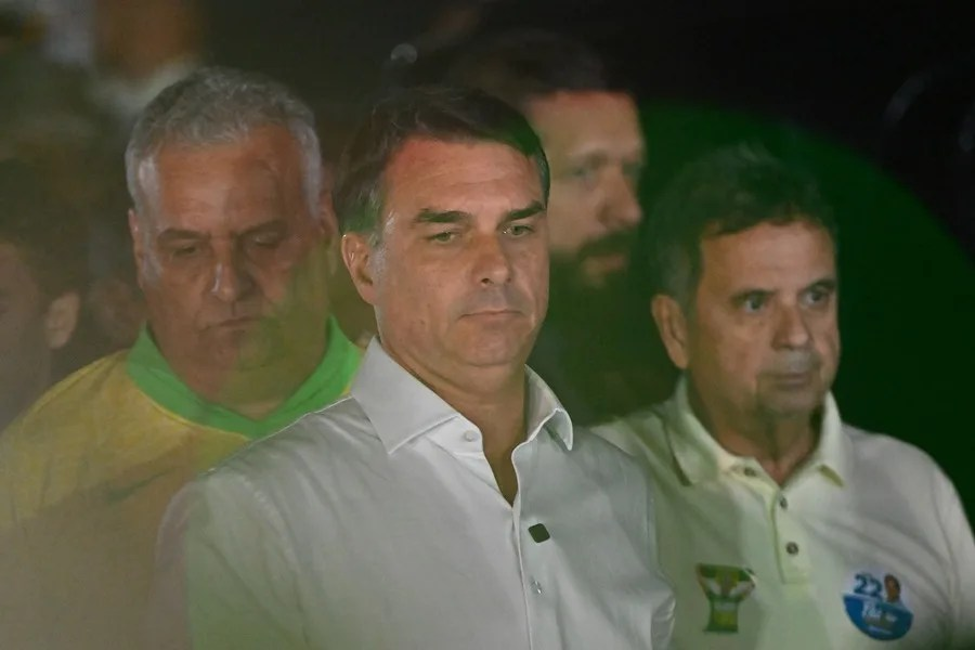
Before that contest comes the dispute over Sunday’s voting extension; Flávio refused to concede and sought annulment after a Supreme Court intervention prolonged voting amid transportation problems. Electoral court president Kassio Nunes Marques criticized the operational disruption while recognizing Lula’s victory.
Those positions can coexist. Administrative failures deserve examination; allegations that justify overturning an election require evidence. Authorities should explain where voting continued, how access differed, and how ballots were secured. Neither celebrating Lula nor defending the courts should replace answers to those questions.
Transport belongs inside that democratic reckoning. A right exercised at a distant polling station depends partly on the ability to get there. Brazil needs reliable access arrangements and clear contingency procedures established before election day, so protecting participation does not depend on emergency decisions made as voting ends.
Abroad, Lula’s rejection of Brazil as anyone’s backyard signals resistance to subordination under Donald Trump. The economic test will be whether sovereignty gives Brazil bargaining power over investment, mineral processing, and technology. National pride delivers little if Brazil supplies resources while higher-value industries and decisions remain elsewhere.
At home, an equally difficult transition awaits. Lula will begin the term at 81. His party must cultivate leaders who can win trust without borrowing his biography while turning campaign mobilization into sustained organization. Another extraordinary comeback cannot serve as a succession plan.
Brazil has granted Lula time to make that transition possible. Its future will depend on whether four more years leave citizens with stronger livelihoods and institutions and a democratic left capable of surviving the departure of the man who keeps rescuing it.