Guyana Hosts King Charles as Old Debts Meet Its New Oil Wealth
King Charles III’s visit to Guyana brings royal ceremony to an oil economy racing ahead. Behind public indifference lie harder questions about British commercial interests, slavery reparations and whether a richer republic can turn international attention into lasting public benefits.
A Royal Visit, an Ordinary Workday
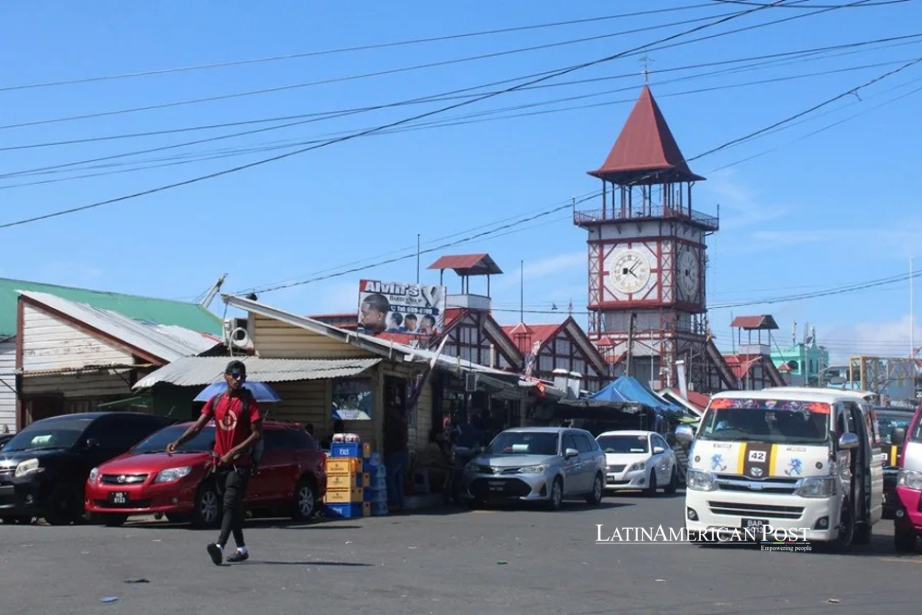
For Mohamed Ali, another important visitor means more traffic. The Georgetown taxi driver offered EFE a practical verdict on King Charles III’s visit: it brings him little that feels relevant.
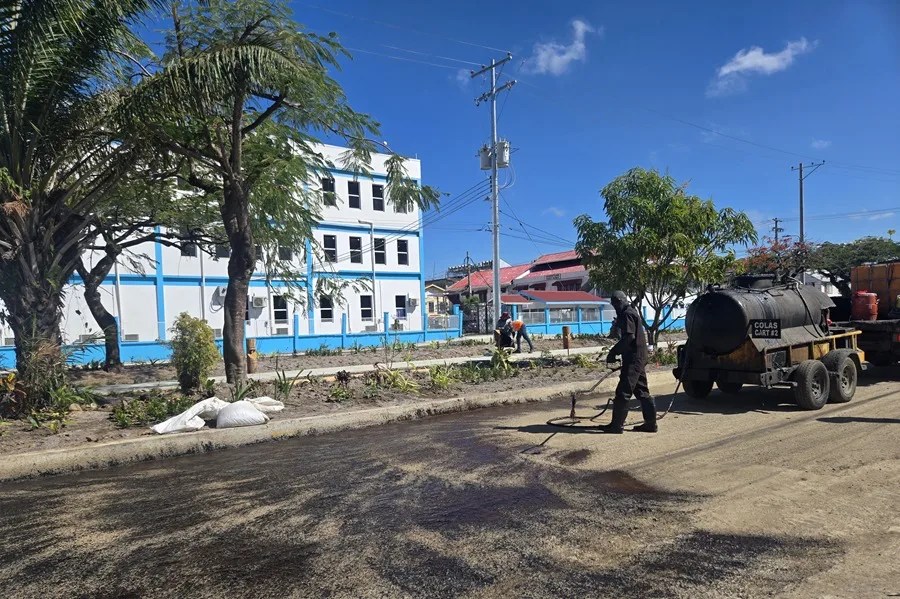
Receptionist Sharon Lall was blunter. “Honestly, I don’t care,” she told EFE. John Thomas, a young resident, saw one advantage: authorities were finally cleaning streets and improving lighting and road signs. Their responses measure the occasion against an ordinary working day.
Government spokesman Edward Layne described the visit to EFE as historic and important for bilateral relations. Both reactions can coexist. Diplomatic significance does not automatically produce public excitement, particularly in a country increasingly accustomed to international visitors arriving alongside an oil boom.
Charles is visiting a sovereign republic. Guyana became independent in 1966 and removed the British monarch as head of state in 1970, while remaining in the Commonwealth. This is his first visit as king, following a trip as prince in 2000. The constitutional separation has long been settled.
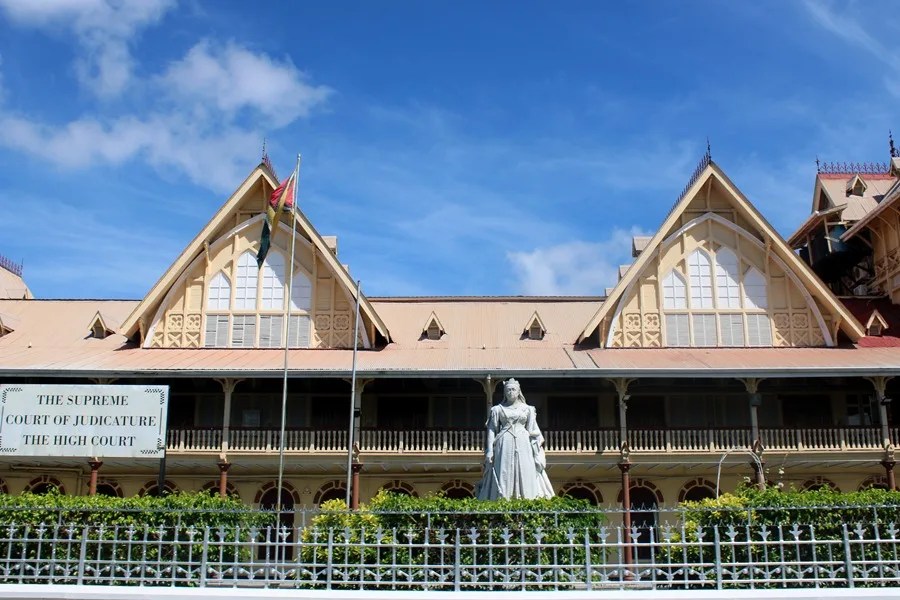
The emotional separation is more complicated. Georgetown’s colonial buildings retain a visible British inheritance. Families carry different histories: Indigenous dispossession, African enslavement and Indian indentured labor shaped the country through distinct forms of exploitation. An anniversary of diplomatic relations cannot make those experiences interchangeable or place them safely in the past.
For journalist and activist Joan Cambridge-Mayfield, 86, ceremony without accountability is unacceptable. She told EFE that the country remains “a kind of plantation, under neocolonialism.” Her comparison raises questions about who benefits from wealth produced locally. It also explains why indifference and outright rejection are different responses to the same visiting king.
The Business Behind the Handshake
Britain’s interest is tangible. Its official trade guide records £1.1 billion in exports to Guyana during 2025. The royal program includes a business reception, and the visit takes place at the British government’s request. Commercial diplomacy is part of the occasion, even without evidence of a specific agreement Charles negotiated.
Guyana’s government has also promoted a £3 billion UK Export Finance envelope. That represents financing support for eligible transactions, not a grant or money already invested. British suppliers can gain orders while Guyanese businesses obtain equipment and services. Whether citizens benefit depends on financing terms, procurement quality and what projects actually deliver. Using credit brings repayment obligations alongside opportunities.
The attraction is obvious in the growth figures. The IMF’s October forecast projects 22.3 percent real economic growth in 2026. The oil economy is expected to expand 26.1 percent, compared with 10.2 percent for activity outside petroleum.
Growth beyond petroleum is substantial. Nevertheless, a 22.3 percent increase in national production does not mean wages or household purchasing power rise by the same amount. Infrastructure spending can create jobs and improve services while leaving benefits uneven. The relevant question is how much resource income becomes lasting public capacity.
The IMF emphasizes stronger petroleum audits and procurement oversight. Those concerns connect directly with the taxi driver’s skepticism: a spectacular national balance sheet does not explain whether his daily work becomes easier. Fresh road markings help; dependable maintenance after the motorcade leaves matters more.
Guyana can use the attention to attract investment and widen its diplomatic options. That gives the republic bargaining opportunities, provided its institutions can scrutinize contracts and retain control over development priorities. A welcome for foreign capital need not settle every argument about the terms.
Why the Region Has a Stake
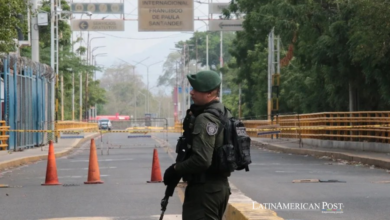
Latin America has immediate reasons to pay attention. Venezuela’s claim to Essequibo makes Guyana’s international relationships a matter of regional security. Britain and Caribbean governments have reaffirmed support for Guyana’s sovereignty and the International Court of Justice process. Royal visibility can reinforce diplomatic standing, though it creates no new defense guarantee.
The dispute concerns a principle larger than oil: territorial disagreements should be handled through peaceful institutions. Governments across South America have an interest in that principle regardless of their attitudes toward Britain’s imperial record.
Reparations also reach beyond palace protocol. In the Bahamas, Charles acknowledged historical suffering without offering the formal apology or reparations commitment campaigners demanded, according to EFE. Cambridge-Mayfield wants Guyanese to boycott his visit. “I hope my people stay home,” she told the agency.
Guyana’s President Irfaan Ali has proposed a development agenda involving preferential financing, debt relief and investment in essential services. CARICOM’s revised reparations plan likewise addresses education, public health, and Indigenous communities—demands that concern present institutions as well as historical recognition. New oil income does not, by itself, answer claims about wealth previously extracted.
For other resource producers, Guyana offers a familiar test: whether rapid extraction can finance a broader economy before dependence hardens. Its conservation agenda adds another tension. Protecting forests and Indigenous rights requires durable decisions about land and revenue, beyond the symbolism of royal environmental engagements.
The visit’s value will become clearer after Charles departs. Guyanese can reasonably ask whether diplomatic warmth produces accountable investment, serious discussion of historical obligations, and public services that improve ordinary lives. Thomas’s cleaned streets provide a modest starting point. The larger question is whether the attention lasts after the guest has gone.