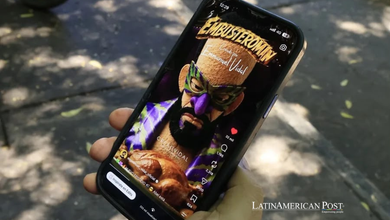
Chichí Peralta: Defending Human Touch in Dominican Music Against AI
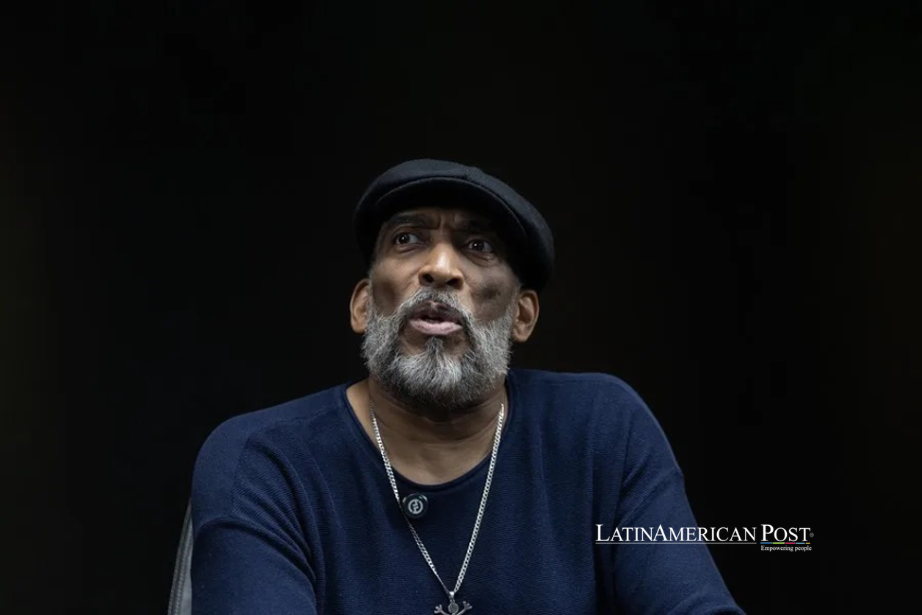
Ask artificial intelligence for a song that sounds like Chichí Peralta. Whose voice should come back? Jandy Feliz sang “Procura.” The Dominican bandleader, a Latin Grammy lifetime honoree, has spent four decades making room for other people in his music.
Mozart Meets Benny Moré
In Santo Domingo, Chichí Peralta sketched an imaginary recording session for EFE. Somebody at a computer orders up a little Chichí mixed with a little of somebody else. Make it sound like Mozart, too. And while we’re at it, could we have the saxophones from Cuban bandleader Benny Moré’s orchestra? Peralta drew on Moré’s Cuba for “Procura” and found room in the arrangement for modern keyboards and a salute to South African trumpeter Hugh Masekela.
At 60, the percussionist, singer and arranger sees a place for AI in a studio. He does have a request for the musician at the keyboard. Bring an idea of your own and do the work of finding words for it. When a program supplies the lyrics, harmony and melody, “you can hear the coldness,” Peralta told EFE. What he listens for in a performance is somebody “trying to connect with another heart.”
On Peralta’s 1997 album “Pa’ otro la’o,” Jandy Feliz wrote both “Procura” and “Amor narcótico.” Peralta arranged them. José Duluc wrote “La ciguapa,” named for the elusive woman of Dominican folklore whose feet point backward. Peralta shared the arranging credit on that one with José Antonio Molina. That’s four names behind three songs a fan might recognize as Chichí’s before the first chorus is through.
On a dance floor, that shorthand does its job. The DJ knows what to put on, and the couple asking can get back to dancing. It gets trickier when somebody commissions a piece of music that way. A producer asking for the Chichí sound might get a fair imitation of the voice they remember without ever learning the singer’s name, much less giving Feliz a call.
From Baní to Abbey Road
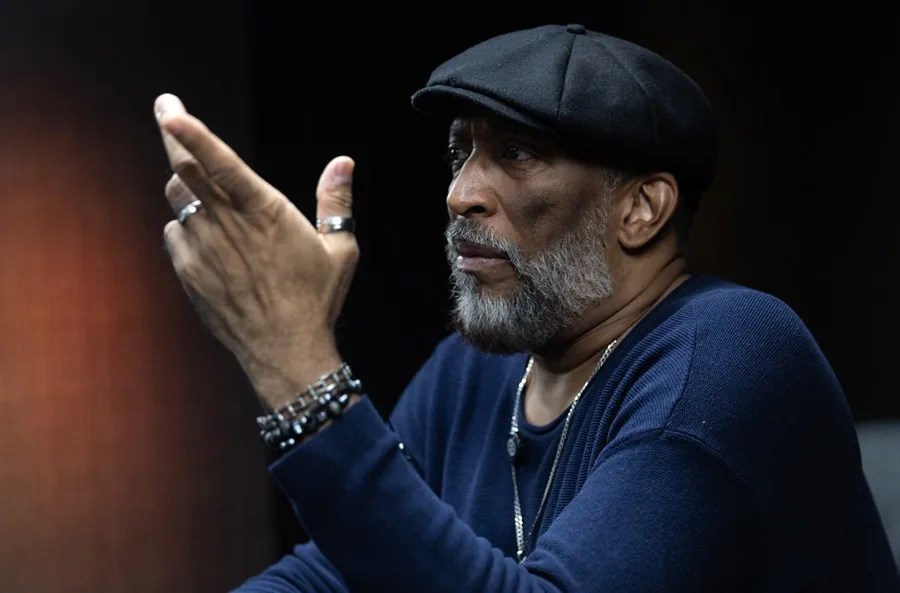
Born in 1966 in Ciudad Nueva, one of Santo Domingo’s oldest neighborhoods, Peralta was four when he built his first drum. A Dominican tambora player usually sits with the drum across the knees, striking one head with a stick and the other with a bare palm. That beat can bring couples to their feet at a family party. Politicians have long counted on merengue to do much the same work at campaign rallies.
Peralta arranged music for La Familia André and later played percussion with Juan Luis Guerra and 4.40. He calls his own approach Latin World Music, a name broad enough to cover his experiments with Colombian vallenato, Dominican bachata and jazz. It also covers the two records on which the London Symphony Orchestra played for him at Abbey Road. Some of the voices he brought to London came from Baní, in the Dominican south.
Peralta told Rolling Stone en Español that he spent a whole day with the chuineros of Baní, local singers of ten-line verse, before they let him record them. Their voices ended up alongside the orchestra. The singers had a say in what a listener thousands of miles away would hear. They could have sent the man with the recording equipment home empty-handed.
In Japan, he met musicians who had been doing some listening of their own. Peralta told EFE in 2011 that he’d seen Japanese musicians play tambora and dance merengue without speaking Spanish. He had gone there to give four talks on Afro-Caribbean music. On the soundtrack of his documentary “Inside Japan,” you can hear what he brought home. The theme is a bachata, and one of the instruments playing it is the shamisen, a Japanese lute with three strings.
What a Hit Can’t Measure
Peralta knows what it is to make music on a deadline and to somebody else’s specifications. He used to make jingles in a small studio of his own. A business buying a jingle has good reason to care how much it costs and whether customers remember the tune. The figures on the invoice tell you less about why somebody still asks for “Amor narcótico” nearly three decades after it came out.
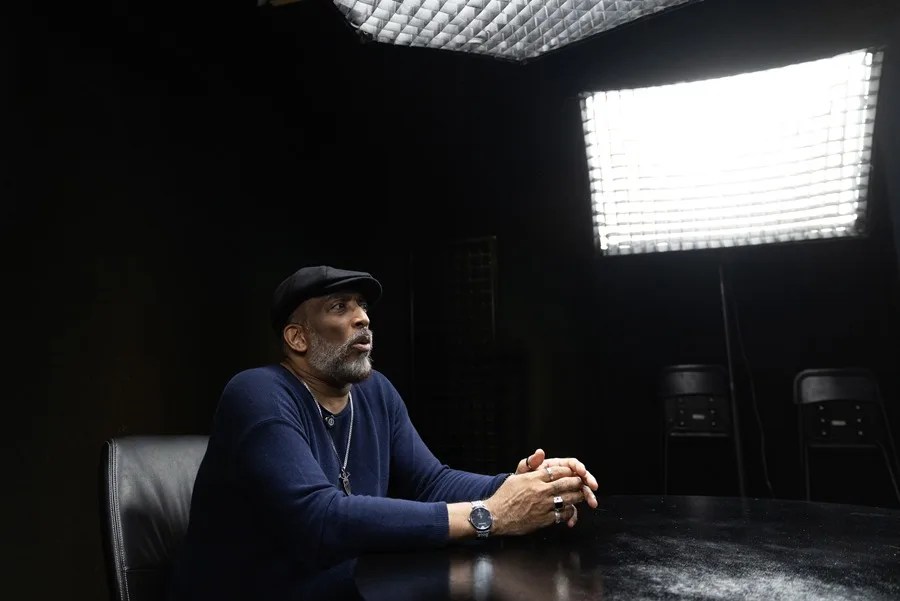
He’d like the industry to reconsider the idea that whatever makes the most money must sound best. Take the heavy use of Auto-Tune. A little pitch correction can fix a note. Use enough, he told EFE, and he begins to wonder whether the voice belongs to a person or a robot.
He wants AI regulated because he sees a risk of mediocrity spreading across the creative trades. For a working arranger, the stakes come down to what happens on a single job. A player invited to a session might come up with something nobody knew to ask for. Someone has to pay for that afternoon. A buyer happy with a passable imitation has little reason to pick up the tab.
In 2001, “De vuelta al barrio” won the Latin Grammy for best merengue album. Five years later, “Más que suficiente” earned a nomination for best contemporary tropical album. The Latin Recording Academy named Peralta, Alaska, Francisco Céspedes, Lila Downs and Daniela Mercury its 2026 Lifetime Achievement Award honorees for the November 9 ceremony in Las Vegas. Panamanian songwriter Omar Alfanno was its choice for the Trustees Award.
Peralta thanked the academy’s board. When he spoke to EFE about the sacrifices behind those four decades, he credited the audience, the music, and his own passion with making the job feel like magic. Even the listener who shrugs at a new record gets a say. “What I feel, I play,” he said. If a song reaches them, wonderful. And if it doesn’t? “I record another one, and I make another one.”