Piero Dies at 81, but His Songs Still Put Power on Trial
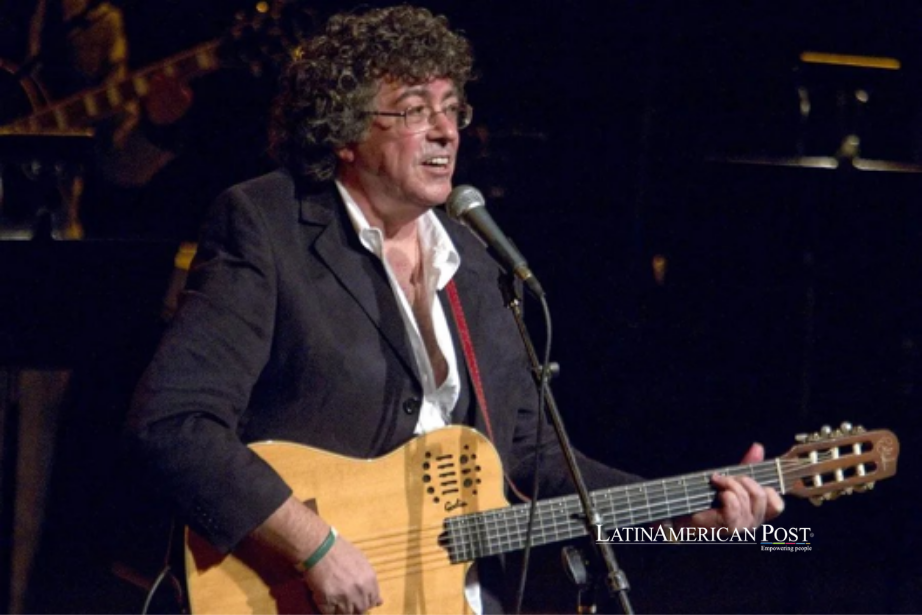
Piero’s death at 81 leaves Latin America mourning the voice behind “Mi viejo.” His exile and commitment to Colombia’s peace expose a harder truth: governments that persecute dissent cannot turn repression into justice by calling their violence a security operation.
The Tenderness Was Never Apolitical
The easiest way to bury Piero would be to remember only the tenderness. Play “Mi viejo,” thank him for the memories, and leave the politics outside. It would also be a serious misreading. His music invited listeners to recognize ordinary lives as worthy of attention, whether the subject was an aging father or a population demanding its due.
His family and friends announced that the singer died in Buenos Aires on October 7 at 81. Their farewell emphasized his message of peace. But peace, across his career, was not simply a pleasant word to place beneath a photograph. It involved uncomfortable choices about whose suffering deserved to be heard.
Born in Gallipoli, Italy, in 1945, Piero Antonio Franco De Benedictis arrived in Argentina at three. His family settled first in Banfield, then moved to Allen, in Río Negro. He left seminary training in 1963 and debuted on television the following January. Sixty-two years separated that first broadcast from his family’s announcement of his death.
He began his partnership with José Tcherkaski in 1968. Together, they produced songs including “Mi viejo” and “El jardín de los sueños.” The artistic achievement was intimacy without requiring political agreement. A listener could recognize a father before recognizing an argument about dignity. That accessibility made the protest songs more consequential, not less: affection had already opened the door.
Exile Was Not a Cultural Exchange
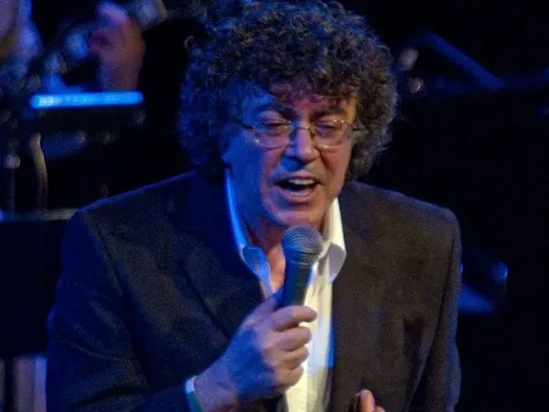
After Argentina’s 1976 military coup, Piero went into exile after releasing “Para el pueblo lo que es del pueblo” and “Que se vayan ellos.” He bought an abandoned mill near Madrid and later lived in Bogotá. The picturesque mill should not soften the circumstances. Refuge is not a vacation home.
His departure and late 1981 return frame roughly five years apart. An exile’s calendar records more than missed performances. Displacement can disrupt professional networks and everyday family contact, making a living contingent on starting over elsewhere. The cultural loss also reaches home: a country that enforces silence deprives its public of voices it should be free to hear.
Even a successful musician cannot recover the ordinary days lost to exile, the unplanned visits and familiar streets that make a country something more than a passport.
The legal objection is specific. Argentina’s Constitution protected publication without prior censorship. Yet after the coup, the junta threatened imprisonment of up to ten years for material intended to discredit the armed forces. A military government had made its own reputation a security interest and criticism a potential prison sentence. That is repression dressed in legislative clothing.
Peaceful opposition does not become a legitimate target because officials call it subversion. Freedom of expression protects disagreement, including artistic disagreement; it is not a courtesy withdrawn when a chorus becomes inconvenient. Security operations directed at suppressing that freedom deserve condemnation, not nostalgic excuses about restoring order. Uniforms cannot supply the legal justification that the underlying conduct lacks.
When Piero returned with “Calor humano,” its emphasis on love and solidarity could sound like retreat only to someone mistaking cruelty for seriousness. After forced separation, human warmth was a public concern. A government can control a stage. Repairing the relationships that fear has damaged is considerably harder.
Peace Without Amnesia
Colombia granted Piero citizenship in 1994. His later support for the 2008 march honoring victims of paramilitarism and state crimes gave that belonging a demanding expression. He was not merely collecting applause in another market. He backed recognition of people whose suffering challenged the comforting assumption that violence committed against an alleged enemy serves the public good.
His electoral commitments were explicit. He campaigned for Gustavo Petro in 2010, returned to support him in 2018, and did so again in 2022. Three campaigns across twelve years suggest sustained political allegiance, not a single ceremonial endorsement. His support for the peace plebiscite promoted by Juan Manuel Santos likewise made reconciliation a concrete public choice.
None of those commitments puts his preferred politicians beyond criticism. The opposite standard should apply. Anyone invoking Piero’s legacy must accept scrutiny of state violence regardless of who occupies the presidential palace. Condemning paramilitary abuses does not excuse guerrilla crimes. Demanding accountability from government does not deny its responsibility to protect people.
He also created the Buenas Ondas Foundation for children and adolescents, stepping away from the stage to focus on it. He returned to recording with “Canciones blindadas” in 2001 and a tour reportedly drawing about 150,000 spectators. That aggregate cannot establish attendance per concert or agreement with his politics. It does indicate substantial demand, 37 years after his television debut.
The number matters less as a trophy than as a rebuttal to the idea that political commitment necessarily exhausts an artist’s audience. Yet the foundation supplies the more difficult measure: whether the concern expressed in songs becomes work for people unable to buy a ticket.
To honor Piero honestly is to resist making him harmless. Remember the father, certainly. Remember, too, the singer who had to leave his country. A tribute that celebrates his voice while excusing the machinery that drove it abroad has missed the song.