Why a Tanda Payout Isn’t an Emergency Fund, and What to Keep Alongside It
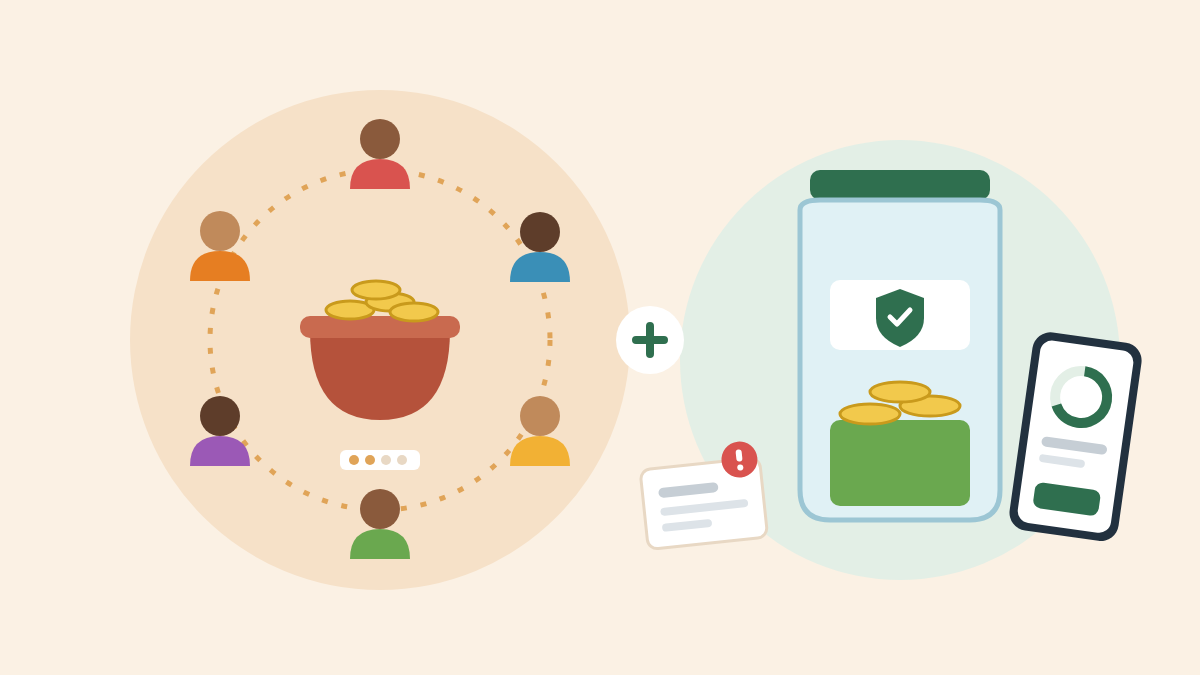
A tanda can help you save for a big expense, but what happens when an unexpected bill comes up before your payout?
For generations, Latino families have used tandas to save money together. Each member contributes a set amount, and everyone takes a turn receiving the full pot. This works well for planned expenses, like visiting family or paying for a celebration.
But emergencies don’t wait for your turn. You could lose your income just after someone else collects the pot. That’s why a tanda works best alongside a personal emergency fund. Both can help you manage money, but each serves a different purpose.
This article explains why a tanda can’t double as an emergency fund and how to keep both tools working for you.
How Tanda Payout Timing Works Against Emergencies
Members usually agree on the payout order when a tanda starts. That order decides when you receive money, so you can’t count on the pot arriving when an emergency does.
An early turn hands you the pot, but you still owe payments for every remaining round. A late turn asks you to contribute for months before you see any money.
None of this makes a tanda a bad tool, since it offers interest-free saving and group accountability. A traditional tanda is informal, though, so each member depends on the others to keep paying.
Unplanned Expenses Without a Fund Can Turn Into Family Loans
When an unexpected bill comes up and you have no savings, you may turn to family or friends for help. Pew Research Center’s 2025 National Survey of Latinos found that 36% of U.S. Latinos borrowed money from family or friends in the past year.
A personal emergency fund gives you another option. You can build an emergency fund with Qapital by creating a savings Goal and setting up automatic deposits. Unlike a tanda payout, your Goal is available whenever you need it, and standard transfers to your bank account settle within 1-2 business days.
That cushion protects both sides of a family loan. Having that money ready also eases pressure on family relationships. Relatives won’t have to stretch their own budgets to help, and you won’t have to worry about paying them back.
A Personal Fund Keeps the Tanda’s Discipline on Your Schedule
A tanda helps you save by asking you to contribute a set amount on time. A personal fund builds the same habit, but you decide when to use the money. You keep the routine without waiting for your turn to receive a payout.
Automation makes saving easier. Instead of relying on other tanda members to pay you, you can schedule automatic transfers to keep your savings on track.
Your savings grow without needing to remember each deposit. You choose how much to save and can change the amount whenever your budget changes.
Four Steps to Keep a New Emergency Fund on Track
An emergency fund only works if money is available when you need it. These four habits can help you build and protect your savings, especially in the first few months.
Start With a Target You Can Reach: Saving three months of expenses can feel overwhelming at first. Start with a smaller goal, such as one month of rent and utilities. Reaching that target gives you a win and helps you stay motivated to save more.
Match Deposits to Your Payday: Schedule a transfer for payday before you spend your paycheck. If your hours change each week, choose a small amount you can afford even when your paycheck is lower.
Keep the Fund Separate From Spending Money: Keep emergency savings away from your everyday spending money. Give it a clear name, such as “Emergency Fund,” so you remember what the money is for.
Agree on What Counts as an Emergency: Decide which expenses justify using the fund, especially if you share finances with someone else. Setting rules ahead of time helps you save the money for when you truly need it.
Run Both Systems Side by Side
You don’t have to choose between a tanda and a personal emergency fund. Each serves a different purpose, and you can use both at the same time.
Use your tanda to save for planned expenses, such as new furniture or a holiday trip. Keep your emergency fund for unexpected costs, like a car repair or a sudden loss of income.
If you use your emergency fund, focus on rebuilding it before increasing your tanda contribution or starting another savings goal. Treat each refill like a due tanda payment. That mindset already keeps you consistent.
Pair Group Saving With a Fund You Control
A tanda gives you a reason to save, but financial security also means being ready when life doesn’t follow the plan. You don’t have to change a tradition that works for you. You just need another layer of protection for the moments when waiting isn’t an option.