Vozinha Wanted a Job. Colo-Colo Got a Keeper and a Chilean Title
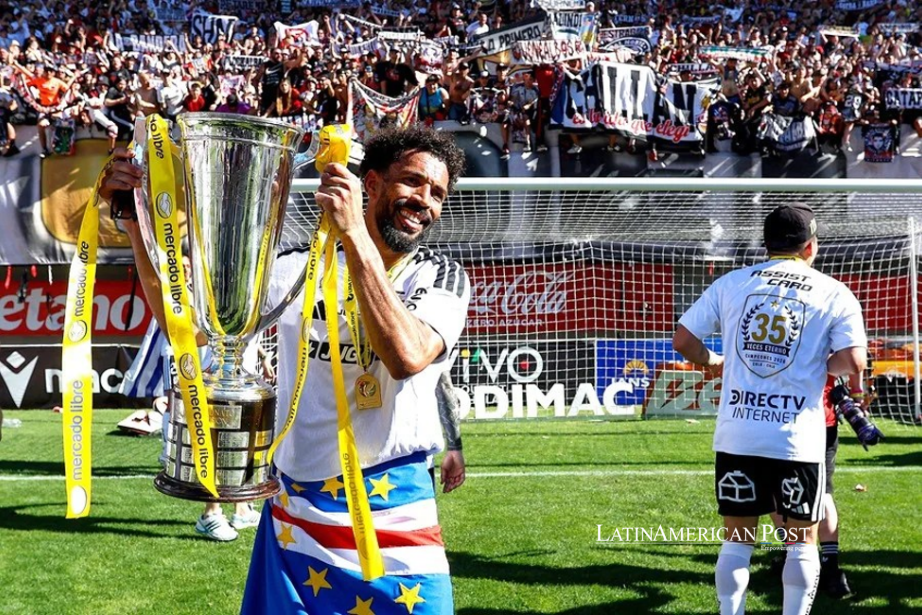
Cape Verde knew Vozinha long before he stopped Spain at the World Cup. At 40, the goalkeeper needed work. Nearly five months later, in Chillán, he had one more shot to hold before Colo-Colo could celebrate its 35th Chilean championship.
The Boys Who Called Him Granny
When the older boys knocked Josimar José Évora Dias around in a street game in Mindelo, he threatened to tell his grandmother. She had helped raise him. The boys found this funny enough to give him a name, Vozinha, or “Granny.” He kept it. Years later, when a Brazilian broadcaster urged viewers to look up the Cape Verdean goalkeeper giving Spain so much trouble, that was the name they typed.
He was 25 before anyone offered him a professional contract. By then he had played for Batuque and Mindelense at home. His break came in Angola with Progresso do Sambizanga, across a considerable stretch of the Atlantic but within the Portuguese-speaking soccer world. From there he found work in Moldova and Portugal, won the 2019 Cypriot Cup with AEL Limassol and played in Slovakia.
Those moves make for a long résumé. His country tells the steadier part of the story. Cape Verde picked him for four Africa Cups of Nations. By the time the islands qualified for their first World Cup, he had spent years playing international soccer against opponents who knew him well. The people about to discover Vozinha were the ones coming late.
Still, international experience offered little security when his season ended at Chaves in Portugal’s second division. He arrived at the World Cup looking for his next club. At least one person back in Mindelo was entirely comfortable making a prediction about his prospects against Spain. His mother went on television.
Seven Shots Prove His Mother Right
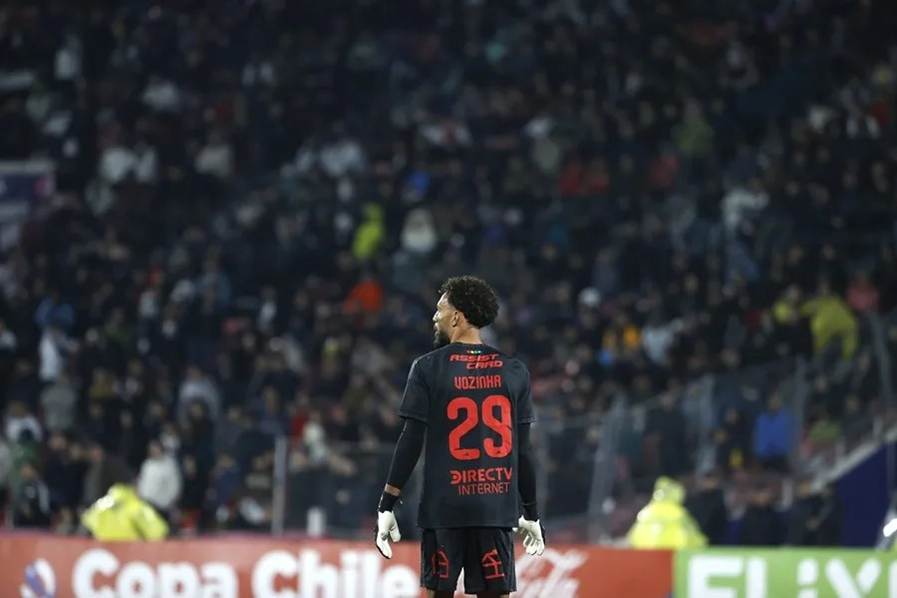
Nobody was going to score against her son, Ana Cândida Évora said before the June 15 game in Atlanta. Spain put seven shots on target. Vozinha saved all seven. The team that would go on to win the World Cup had to take a point from a scoreless draw with the country making its tournament debut. At the whistle, Vozinha wept.
During the game, Brazil’s CazéTV had invited viewers to follow him on Instagram. He went into kickoff with about 56,000 followers and finished the match with more than a million, roughly eighteen times his original audience. Most players spend a World Cup hoping somebody remembers a goal. A Brazilian broadcast had persuaded hundreds of thousands of people to reach for their phones because a Cape Verdean had kept one from happening.
Évora made it to Miami for the next match. This time Uruguay scored twice against her son, and Cape Verde scored twice, too. A goalless draw with Saudi Arabia followed. The islanders went through to the round of 32 with three points from three draws. Their goalkeeper had recorded two shutouts, and the two goals his teammates scored against Uruguay had earned the only point his saves alone could never have secured.
Against Argentina, Vozinha stopped Lionel Messi at point-blank range to force extra time. The defending champions eventually won 3–2. Fans later voted him goalkeeper of their World Cup Dream Team. The more consequential vote, for a man who still wanted to play club soccer, came from Santiago.
Ten Points Clear With Nine to Play
Colo-Colo announced his signing in July. Vozinha said the Chilean club had shown the most interest. He wanted a chance to play in the Copa Libertadores, South America’s premier club competition. He would have to earn the goalkeeper’s job first. By November 8, when Colo-Colo traveled to Chillán to face Ñublense, he was in goal with the league title on the line.
Arturo Vidal put Colo-Colo ahead in the 14th minute with a volley past Uruguayan goalkeeper Nicola Pérez. Then a throw-in reached Lucas Molina, whom Colo-Colo’s defenders had left alone near the penalty spot. He beat Vozinha. Ñublense had its own reason to hang on at 1–1. A place in the Copa Sudamericana was still within reach.
Elsewhere, Universidad de Chile was beating Cobresal 2–1. A draw in Chillán would leave Colo-Colo eight points ahead with nine still available. After a four-game winless stretch had already eaten into their lead, the players had good reason to finish the job there. In the 93rd minute, Argentine striker Javier Correa got a touch on a cross. Marcos Bolados slid between two pursuing defenders and knocked the loose ball in.
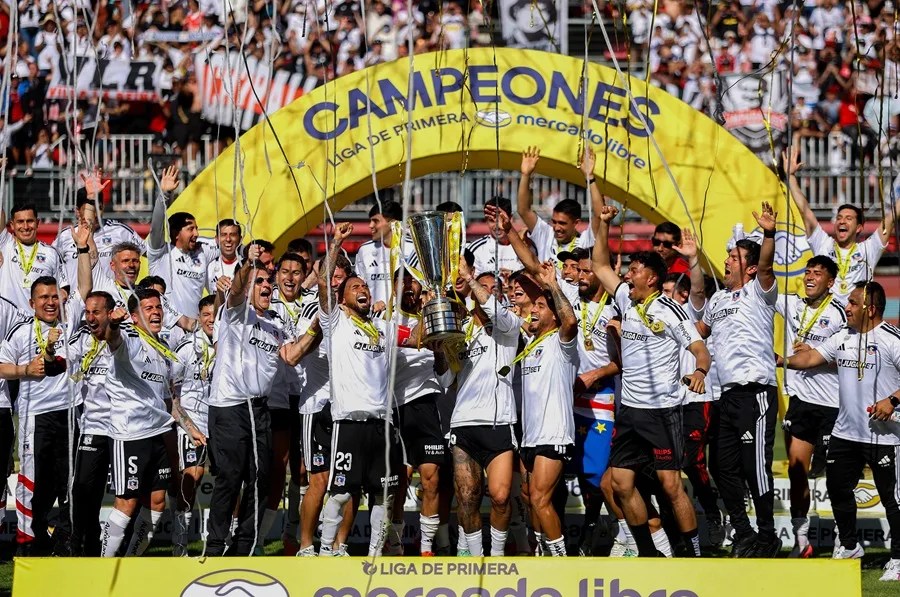
There was still time for Ñublense to send a low shot through from outside the box. Vozinha went left and held it with both hands. No rebound. The win put Colo-Colo on 61 points to Universidad de Chile’s 51, a gap too wide to close in three games. Fernando Ortiz had his first league title as a coach. Vozinha, already a cup winner in Cyprus, had his first league championship abroad.
Colo-Colo also secured the Libertadores place that had drawn him to Chile. In July, he had known how it felt to stop Messi without knowing where his next season would take him. By November, he could look ahead to a South American campaign in the shirt of the Chilean champions. He dedicated the title to his family and to all of Cape Verde, where nobody had ever needed a television announcer to tell them who Granny was.