Local Maps vs. Social Ads: Which Drives More Leads for Seasonal Contractors?
Seasonal contractors—from snow removal crews and landscapers to roofers, pool specialists, and HVAC technicians—face a distinct challenge: short, intense peak-demand windows followed by quiet off-seasons. Having a steady stream of qualified leads determines whether you hit annual revenue goals or struggle to keep crews busy.
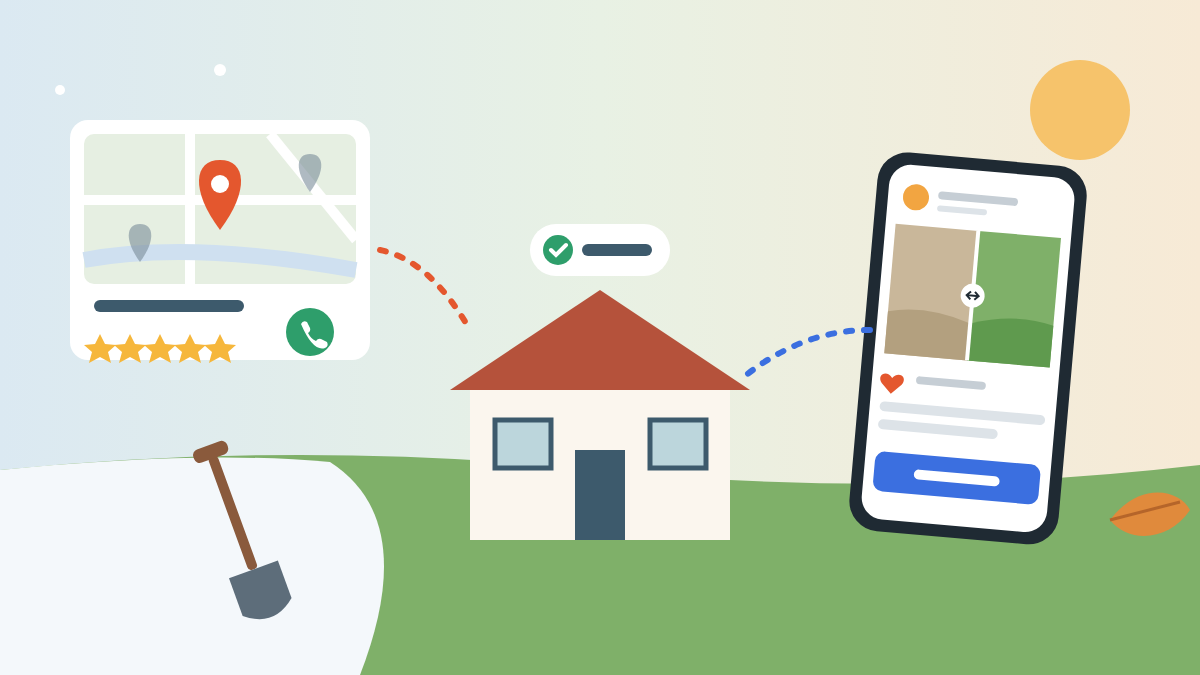
To capture these opportunities, contractors debate between two primary digital channels: Local Maps (Google Map Pack optimization) and social media ads (Facebook, Instagram, and TikTok). Both channels promise new clients, but they capture buyers at different stages of the decision-making process. Understanding the strengths, lead quality, and timing of Local Maps versus social ads allows contractors to allocate budgets for maximum ROI.
1. High-Intent Search vs. Visual Demand Generation
Quick Answer: Local Maps capture high-intent buyers actively searching for immediate solutions, whereas social ads generate demand by showing visual project inspiration to passive homeowners.
The core difference between Local Maps and social ads lies in user intent. When a furnace stops working during a freeze or a spring storm damages a roof, homeowners open Google Maps and search for “contractors near me.” They are ready to hire immediately.
Conversely, social media users scroll through feeds for entertainment. A sponsored video showing a backyard patio transformation or a crisp lawn makeover creates desire for a service the homeowner wasn’t actively searching for.
- Local Maps (Inbound Intent): The client has a problem, searches for a provider, and contacts top map results.
- Social Ads (Outbound Awareness): You place an eye-catching project or offer in front of a targeted demographic before they begin searching.
2. Local Maps: Capturing Urgent, High-Converting Leads
Quick Answer: Ranking in the Google Map Pack captures top-of-page visibility during peak search spikes, delivering higher conversion rates and lower lead acquisition costs.
When seasonal demand peaks, search volume surges overnight. Appearing in the Google Local 3-Pack places your business name, phone number, star rating, and service radius directly in front of homeowners at the exact moment they need assistance.
Leads originating from local map pack searches feature shorter sales cycles and higher closing rates because the prospect has urgent intent. To secure top map positions ahead of peak season, contractors must optimize their Google Business Profile, collect verified reviews, and build hyper-local citations.
For seasonal operators aiming to dominate competitive regional markets, executing targeted Utah local SEO strategies ensures your business profile achieves map pack dominance right as seasonal search volume explodes. Leveraging local map pack optimization builds long-term digital equity that continues generating organic calls year after year.
3. Social Media Ads: Filling Pre-Season Calendars
Quick Answer: Targeted social ads excel at pre-selling seasonal services through visual before-and-after imagery and limited-time early-bird discounts.
While Local Maps capture immediate demand, social ads allow seasonal contractors to build demand before peak season begins. Running targeted Meta campaigns in late winter offering early-bird booking discounts fills your schedule before competitors start advertising.
Social media platforms offer powerful demographic and geographic targeting parameters:
- Homeownership & Location Filters: Target homeowners in specific zip codes with high median household incomes.
- Visual Storytelling: Showcase video walk-throughs of completed outdoor kitchens, newly paved driveways, or custom holiday lighting.
- Lead Generation Forms: Collect contact information directly inside the social app without requiring users to visit an external website.
4. Side-by-Side Channel Comparison
| Performance Metric | Local Maps (Google Map Pack) | Social Media Ads (Meta/Instagram) |
|---|---|---|
| Buyer Intent | Extremely High (Active Problem-Solving) | Low to Medium (Passive Discovery) |
| Lead Quality | Higher Closing Rate, Urgent Needs | Variable (Requires More Lead Nurturing) |
| Time to Results | Requires Months of Pre-Season SEO Setup | Instant Traffic Upon Ad Activation |
| Cost Structure | Organic (Fixed SEO Investment) | Pay-Per-Click / Pay-Per-Impression |
| Best For | Emergency Repairs & Peak-Season Calls | Early-Bird Bookings & Visual Projects |
Analyzing these performance factors helps seasonal operators choose the right marketing mix for their current business goals.
5. Common Seasonal Contractor Marketing Mistakes
- Turning Off Your Digital Presence Off-Season: Completely pausing local map efforts during quiet months causes Google ranking signals to decay, making it harder to rank when peak season returns.
- Running Text-Heavy Social Ads: Social users scroll past long paragraphs; failing to use high-quality project photography or short video clips tanks ad engagement.
- Ignoring Review Velocity: Relying on social ads while neglecting Google Map reviews leads prospective clients to abandon you after looking up your business name online.
6. The Hybrid Strategy: Combining Maps and Social Ads
Quick Answer: The most profitable seasonal strategy uses social ads pre-season to fill calendars early, transitioning to Local Maps during peak season for high-margin urgent jobs.
Instead of treating Local Maps and social ads as opposing options, top-performing contractors combine them into a cohesive seasonal contractor lead generation framework.
In the 30 to 60 days leading up to peak season, run targeted social media advertising campaigns to offer early-bird booking discounts. This locks in baseline revenue and stabilizes crew scheduling. Once peak season arrives and search queries spike, your optimized Google Business Profile takes over, capturing urgent inbound calls at zero additional cost per click.
7. Frequently Asked Questions
Which channel offers a lower cost per lead for seasonal contractors?
Local Maps typically offer a lower long-term cost per lead because traffic is organic. However, social ads can deliver a lower initial cost per lead during pre-season promotional campaigns when offering compelling discounts.
How far in advance should seasonal contractors prepare their Local Maps presence?
Contractors should begin optimizing their local search presence 3 to 6 months before peak season starts. Google requires time to index profile updates, process local citations, and measure review velocity.
Choosing between Local Maps and social ads isn’t an either-or decision for growing seasonal contractors. Local Maps deliver unmatched conversion rates by placing your business directly in front of homeowners with urgent, immediate needs. Meanwhile, social ads provide the visual power required to generate pre-season interest and lock in revenue before the rush begins.
By maintaining year-round local map pack visibility and deploying targeted social campaigns ahead of seasonal shifts, contractors build a resilient marketing engine. Balancing immediate search intent with visual awareness guarantees full schedules, higher profit margins, and predictable growth season after season.