Colombia Takes Political Satire Online as Algorithms Learn to Edit the Punchlines
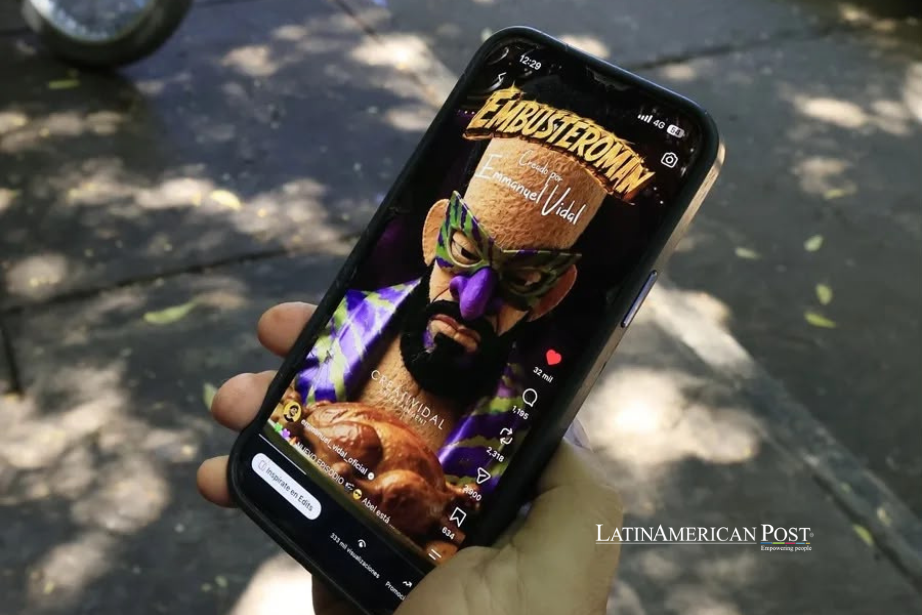
Colombian cartoonist Emmanuel Vidal is turning presidential spectacle into short, AI-assisted satire for nearly 200,000 Instagram followers. His success reveals a larger struggle over public debate, as independent creators and centralized government messaging compete inside platforms that reward attention first.
The President Becomes the Punchline
Emmanuel Vidal still draws the caricatures himself. Artificial intelligence helps make them move, but the eye for political absurdity comes from a career that included 13 years at El Universal in Cartagena. The newspaper veteran now has another place to meet his audience: the phone.
His audiovisual series, “Embusteroman,” exaggerates President Abelardo de la Espriella’s public performances into fictional episodes. One parodies an official video showing the president confronting a detained FARC dissident leader and ordering his extradition. Another targets images of him issuing orders through a walkie-talkie during a police operation.
The material contains its own theatrical possibilities. A president who makes himself the central character in government communications also supplies a protagonist for his critics. The pose intended to communicate command can become the pose a cartoonist turns inside out.
Vidal calls his work “creative activism,” he told EFE, describing a way to express dissatisfaction without violence. His position is straightforward: cartoonists should scrutinize whoever governs, whether the administration belongs to the left or right.
That principle matters in a country where political allegiance can determine whether an audience calls a joke courageous or malicious. Satire earns independence through the consistency of its targets and standards. Mocking an opponent is easy; retaining the freedom to mock yesterday’s ally is harder.
There is also a geographical shift. A creator whose newspaper career developed in Cartagena can address presidential power without first securing space in a Bogotá newsroom. The possibility broadens access to national conversation. It does not guarantee that audiences outside his political circle will listen.
Big Numbers, Narrower Windows
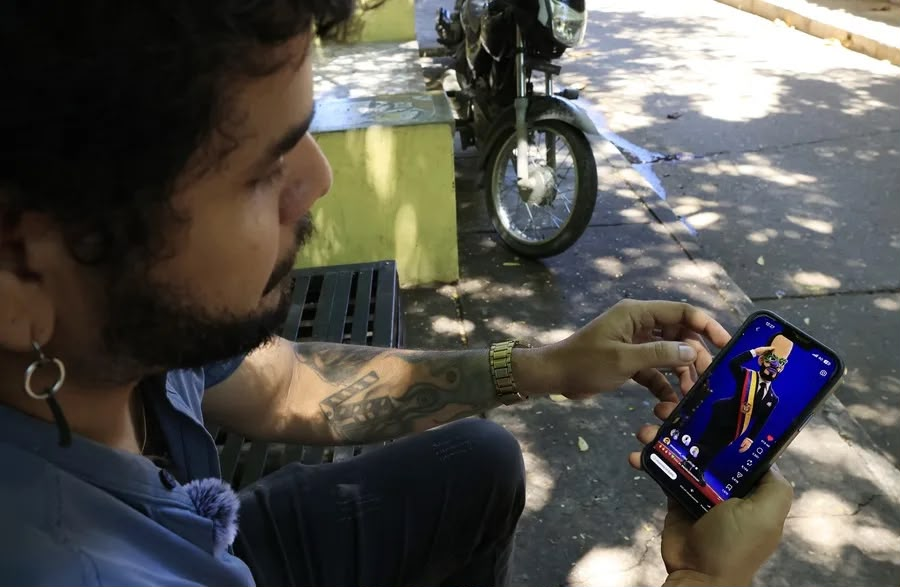
Vidal has nearly 200,000 Instagram followers, while episodes register hundreds of thousands of views. Those figures establish substantial visibility. They cannot establish how many Colombians changed their minds, how many viewers watched to the end, or how many were already persuaded before pressing play.
Followers and views measure different things. A follower count describes subscribed accounts; views describe plays under a platform’s counting rules. Repeat viewing and circulation beyond followers can make the second figure larger. Neither measure supplies a representative sample of public opinion.
That distinction separates a successful cultural intervention from a demonstrated political effect. The reporting contains no audience survey, ideological breakdown, or evidence linking exposure to voting behavior. Treating popularity as proof of persuasion would give the numbers a precision they do not possess.
César Caballero, head of Cifras & Conceptos and creator of the Panel de Opinión, offered EFE a related caution. More distribution channels, he said, do not necessarily mean greater diversity. Recommendation systems can keep people surrounded by perspectives that resemble their own.
Vidal has already adjusted to another constraint. He told EFE that longer videos circulated less, prompting him to shorten his episodes. That experience shows a creator responding to perceived platform incentives. It does not isolate the algorithm from other possible influences, including subject matter or viewers’ willingness to keep watching.
Still, the creative consequence is concrete: less time.
A shorter episode can sharpen a joke and reach someone who would skip a political interview. It can also squeeze out the qualifications that distinguish a complicated policy failure from a villain’s foolishness. Accessibility and simplification arrive together, leaving the cartoonist to decide what survives the cut.
AI adds another editorial responsibility. Vidal’s drawings anchor an invented universe inspired by events. Keeping that fiction recognizable matters when a clip travels beyond its original audience. Satire needs exaggeration; viewers also need enough context to understand that an invented scene is making an argument.

When One Voice Fills the Government
Caballero’s criticism of presidential communication helps explain why this contest over attention matters. He told EFE that De la Espriella has centralized official messaging while trying to bypass traditional news organizations. With ministers and other officials speaking less, Caballero sees an information vacuum.
The problem is not simply a shortage of announcements. Ministries possess different responsibilities and expertise. A presidential appearance cannot answer every question about implementation, explain every spending decision, or expose every disagreement that deserves public scrutiny.
Concentrating communication also concentrates ownership. When the president becomes the face of an operation, its theatrical details become available for parody. Meanwhile, officials who might explain the machinery behind the image remain harder to hear.
The regional significance lies in that unequal exchange. Independent creators gain tools to challenge leaders, but governments and critics alike depend on distribution systems they do not control. Replacing a newspaper gatekeeper with a recommendation feed changes who can enter the conversation and what they must do to remain visible.
Caballero told EFE that a public figure’s response can alter satire’s impact: accepting a caricature with humor may soften its sting, while rejecting it can generate another conflict. A furious rebuttal risks giving the cartoonist a sequel.
For viewers, the harder work starts after the laugh. A parody can expose the vanity of a presidential performance without explaining the policy underneath. Its democratic value grows when curiosity carries people toward reporting, competing interpretations, and questions the official video left unanswered. Vidal can provide the opening. The next swipe determines where it leads.