Panama Celebrates Independence but America’s Canal Grab Still Shapes the National Story
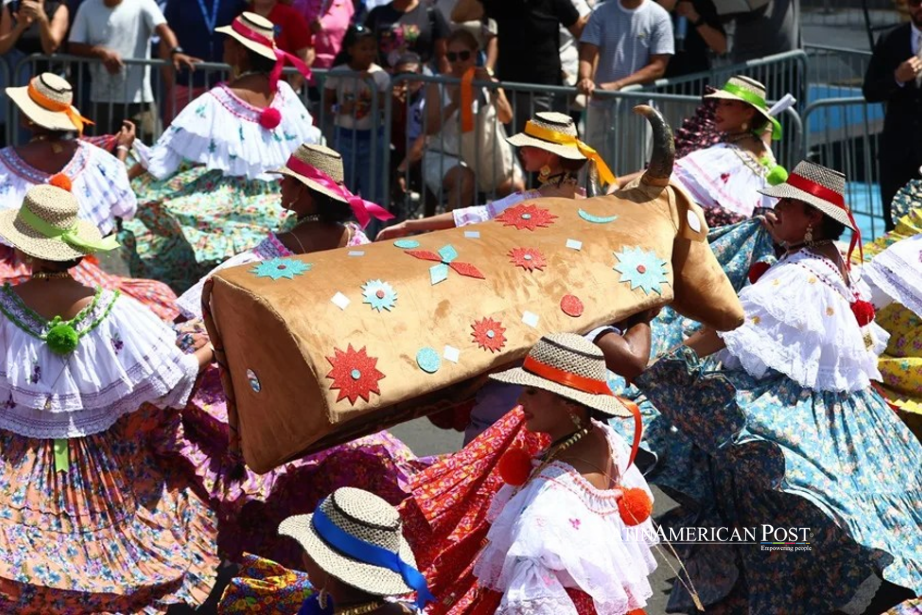
Panama’s 123rd independence anniversary unfolded between marching bands and earthquake recovery, reviving questions about the American intervention that secured its separation from Colombia, the canal concessions Washington extracted, and whether national sovereignty now delivers security beyond the capital’s glittering skyline.
A Birthday Under Reconstruction
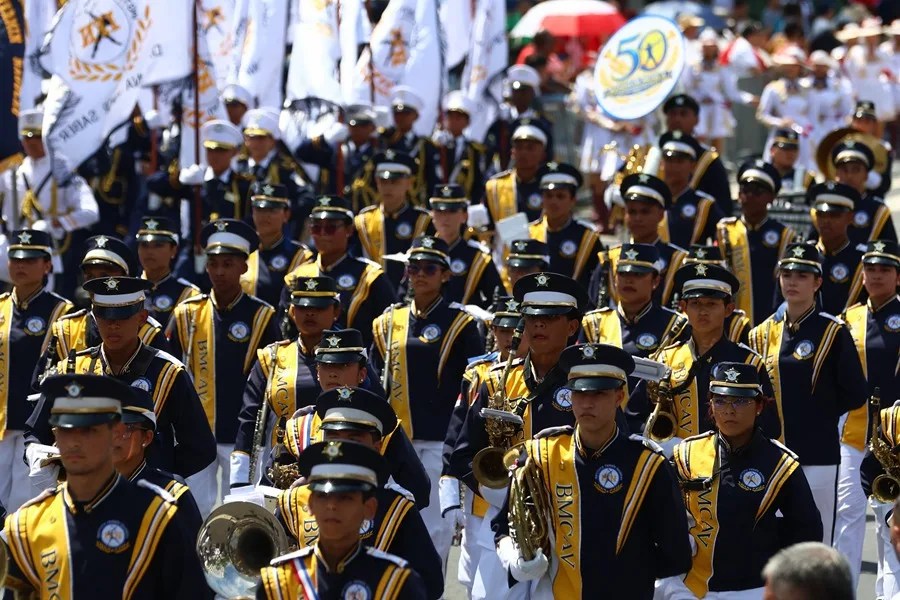
Student bands marched through Panama City on Tuesday while four provinces put celebration aside. In Coclé, Veraguas, Los Santos and Herrera, parades were canceled so communities could concentrate on recovering from the October 9 earthquake. The republic turned 123 with part of its population still living through aftershocks.
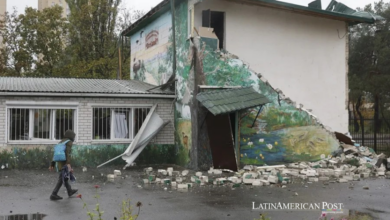
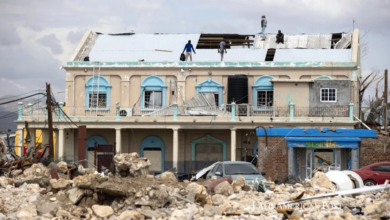
The magnitude-7.7 earthquake killed three people and was followed by more than 1,000 tremors. Rural communities along the central Pacific coast suffered the worst damage. The capital’s waterfront skyline escaped with relatively little destruction, leaving the anniversary divided between public spectacle and the urgent work of rebuilding.
President José Raúl Mulino’s government adopted an austere protocol and canceled the traditional dawn musical salutes at Las Garzas presidential palace. Education Minister Ventura Vega told EFE that classroom reopenings were progressing, but 85 severely damaged schools still required demolition.
That amounts to roughly 2.8 percent of Panama’s approximately 3,000 public schools. The national percentage softens the apparent scale; concentrated damage can disrupt whole communities’ access to education. A school scheduled for demolition represents a prolonged interruption, beyond the initial emergency.
The Gunboats Behind Independence
The birthday marks separation from Colombia on November 3, 1903, distinct from independence from Spain in 1821. Panamanian demands for autonomy ran deep. Bogotá’s centralism and the devastation of the Thousand Days’ War sharpened grievances. Local leaders pursued their own political and commercial ambitions.
But Washington supplied decisive protection. President Theodore Roosevelt wanted an interoceanic canal that would shorten commercial voyages and improve naval mobility. When Colombia’s Senate rejected the Hay-Herrán agreement in 1903, American power helped remove the obstacle by supporting the territory’s separation.
U.S. warships, including the Nashville at Colón, constrained Colombia’s response. American orders to prevent hostile landings and protect railway transit restricted Bogotá’s ability to move forces against the separatists. Calling this merely diplomatic sympathy understates what happened: military power helped determine whether the new republic would survive.
Washington recognized Panama on November 6. Twelve days later, Secretary of State John Hay signed the canal treaty with Philippe Bunau-Varilla, a French engineer serving as Panama’s envoy. The agreement defining the young country’s relationship with its most valuable territory bore no Panamanian signature. Panama’s government subsequently ratified the treaty, but the speed and imbalance of the negotiations exposed how little bargaining room the new state possessed.
It granted Washington perpetual use and control of a corridor 10 miles wide, with powers it could exercise as though sovereign, excluding Panama from exercising those powers. Panama received $10 million, with promised $250,000 annual payments starting nine years after ratification.
The asymmetry was enormous. Washington secured enduring territorial authority over a route whose commercial and strategic importance would grow. The smaller republic accepted sharply restricted sovereignty at its creation. American greed took institutional form in the demand to control the passage and the surrounding land.
A canal built under a negotiated Colombian concession might still have served international shipping. Secession gave Washington a different counterparty, a vulnerable new state dependent on American protection. That dependency helps explain why support for independence came bundled with such sweeping privileges.
Panamanian agency remains part of that story. Separatist elites expected independence and canal construction to bring prosperity. Their alliance with Washington achieved statehood while embedding foreign domination within it. The interests converged long enough to establish the republic, then collided over what independence should mean.
Who Gets the Dividend
Recovering control required generations of pressure. The 1964 flag confrontation in the Canal Zone helped force renewed negotiations. Omar Torrijos and Jimmy Carter signed treaties in 1977 that dismantled the zone and provided for Panama to assume full canal control on December 31, 1999.
That achievement changed the public finances. In fiscal 2025, the canal transferred $2.965 billion directly to Panama’s treasury. The $100 million reconstruction trust announced after the earthquake equals about 3.4 percent of that annual contribution.
The comparison does not mean canal transfers sit uncommitted in an account. They support the national budget. It does establish the scale of resources sovereignty now generates, and why citizens can reasonably demand that a global shipping crossroads also sustain functioning schools and hospitals.
Mulino has promised 2,700 replacement homes between late this year and March 2027. Families are expected to remain in temporary structures beside the construction sites. The trust also covers damaged schools and hospitals, so its headline value cannot be treated as money exclusively available for housing.
More than three weeks after the earthquake, the official delivery schedule leaves some households facing months in temporary shelter. Reconstruction is therefore also a question of how families endure.
The practical questions concern safe construction, transparent contracts, and whether rebuilding reaches scattered rural settlements on schedule. Canceling a parade acknowledges suffering. Delivering a house before another season of uncertainty gives that acknowledgment substance.
At the cathedral, Archbishop José Domingo Ulloa said, “Panama is built every day.” This anniversary makes the phrase unusually concrete. The country won back the canal; its leaders now answer for how the dividend reaches its people. For families waiting for replacement homes, sovereignty must eventually arrive with a roof.