Chile’s World Cup Hopes Fade as Coaching Uncertainty Drags On
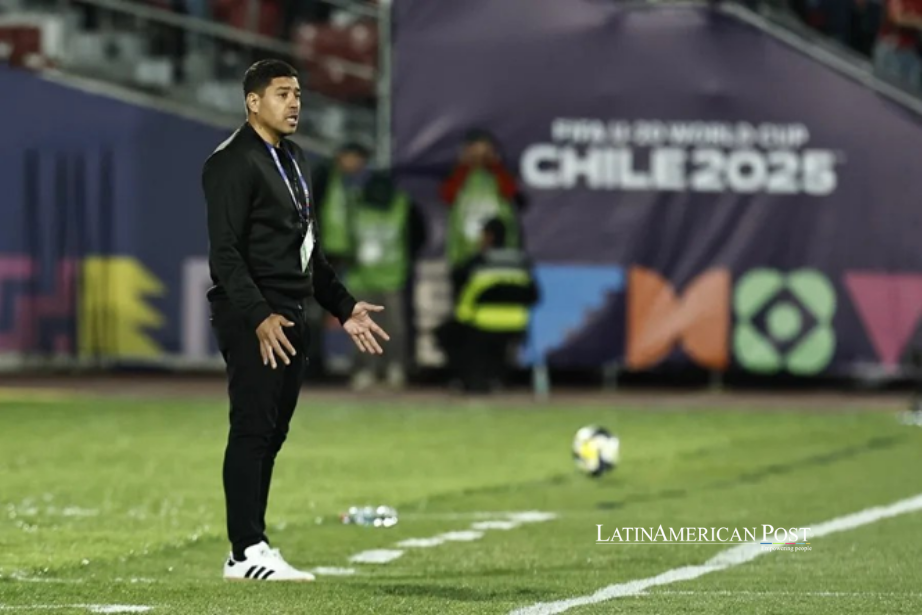
Chile’s national team is chasing the 2030 World Cup without a permanent coach. After three straight absences, its rebuilding effort risks confusing fresh faces with renewal, while federation politics and the dream of Manuel Pellegrini keep decisions on hold again.
The Trophy Cabinet Cannot Play
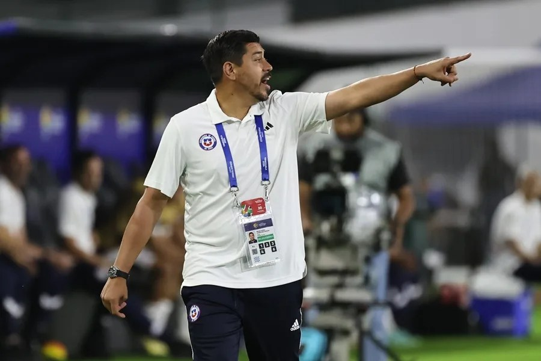
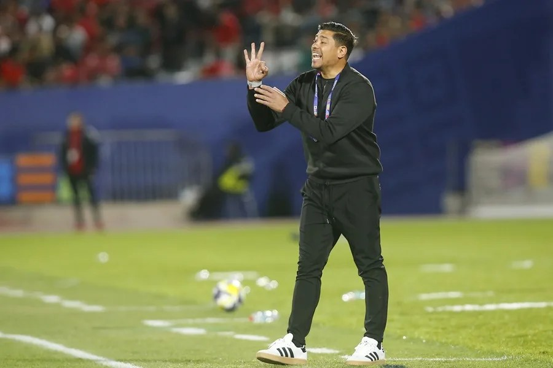
“The project is not me. The project is the players,” Nicolás Córdova said in remarks reported by EFE. It is a sensible principle and an uncomfortable description of Chile’s predicament. The interim coach is asking a new generation to believe in work that his eventual successor may decide to discard.
La Roja’s recent friendlies against Canada, the United States and Mexico have not resolved that uncertainty. Behind them sits a much harder record: three consecutive World Cup absences after the Copa América victories of 2015 and 2016. The country that briefly ruled South American soccer finished last in its latest qualifying campaign.
Chile collected 11 points from 18 matches, barely one-fifth of the 54 available. It scored nine goals in 18 matches, one every two games; it conceded 27, three for every goal it scored. Those figures describe a campaign of failure, not responsibility that belongs exclusively to Córdova. They also make clear that changing the coach cannot fix everything.
The scoring was even more concentrated than that average suggests. Four goals came in one victory over Venezuela. Across the other 17 matches, Chile managed five. One productive evening accounted for nearly 45% of its total output. A lively friendly can encourage supporters, but it cannot establish that such persistent attacking scarcity has disappeared.
A supporter who was eight during the 2016 triumph is about 18 now. The waiting has occupied much of that person’s soccer memory. Even qualification for 2030 would leave 16 years between Chile’s World Cup appearances. What sounds like a rebuilding cycle inside a federation becomes a substantial stretch of childhood outside it.
The Cost of Waiting
The decisive date is November 19, when elections determine leadership for Chile’s professional clubs’ association, the ANFP, and its federation. For the first time, the institutions will have separate leaders. That could clarify responsibilities. It could also create another excuse for delay unless someone explicitly owns the national team’s sporting direction.
Within the professional association, 16 top-division clubs wield 32 votes, while 16 second-tier clubs share 16. Half the clubs therefore command two-thirds of the voting power. This is a club-centered electorate, not a national plebiscite on the next coach. Supporters experience La Roja as common property; the organizations surrounding it have their own competitive priorities. Separating the federation’s leadership could help reconcile those interests, but only if national-team planning gains an accountable mandate rather than another layer of negotiation. A new organizational chart cannot select or train players.
Hovering over the process is Manuel Pellegrini, the preferred name whose availability remains conditional. The Chilean coach is committed to Real Betis until at least May 2027. No national-team appointment is assured. Waiting for his calendar to clear is not the same thing as obtaining his signature.
By then, roughly a year would remain before the 2028 Copa América. Preparation need not stop while an appointment is pending. But each camp should leave something behind for the next coach to use. Otherwise, Chile is spending precious international dates evaluating players against standards that may change before those players receive another invitation.
EFE also reports press accounts of squad discontent, alongside Marcelino Núñez’s unexpected departure during the recent international window. That does not independently establish why he left or prove a dressing-room revolt. Turning uncertainty into a conviction would be unfair. Clear authority, however, becomes especially important when rumors begin filling the space around a temporary appointment.
Fresh Faces Need a Team
The question around Crystal Palace attacker Darío Osorio and Elche winger Lucas Cepeda is not which one will become Alexis Sánchez. It is how Chile creates situations where their abilities work together. Vicente Pizarro’s midfield development at Rosario Central must connect with the movement of forwards such as Portland’s Alexander Aravena, rather than merely lengthening the roster.
Their different club environments offer experience, but a collection of overseas addresses doesn’t define them. Nor should the absence of another Arturo Vidal or Claudio Bravo be used to justify postponing renewal. Comparing developing players with their predecessors at their peak sets a standard that the old generation itself did not meet from its first appearance.
Córdova is expected to return to his youth-team leadership role after November’s friendlies against Colombia. That need not erase his senior-team work. His knowledge of emerging players could give the next coach a useful starting point, provided the handover preserves more than names; why a player was selected matters. So does what he struggled to do.
Continuity does not require keeping the same manager forever. It requires decisions that survive his departure. A young winger needs to know whether losing possession will bring instruction or immediate exile from the squad. A midfielder needs repeated chances to understand the players around him.
The next permanent coach deserves room to make mistakes, but patience should be backed by evidence. Chile can demand better collective play without demanding an instant revival of 2016. The golden generation made the team recognizable. Its successors deserve the chance to become recognizable in their own right, before another postponed decision turns 2030 into another tournament without them.