The Many Lives of Lula: From Shoeshine Boy to Brazil’s Four-Time President
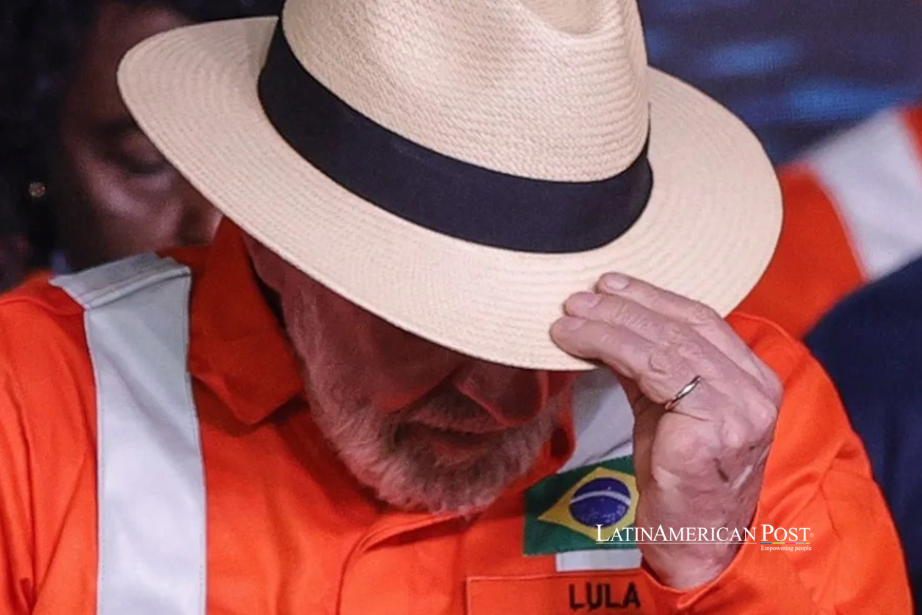
Lula’s fourth presidential victory in Brazil extends the life of a man shaped by hunger, factory work, bereavement, and political resurrection. Behind the historic election comeback lies a harder question: how much of his country’s promise still depends on one man’s extraordinary endurance?
The Clothes Came on Loan
In Lula’s earliest known photograph, even the clothes are borrowed. He stands beside his sister, Maria Baixinha, wearing a shirt and sandals the photographer supplied, both too large. He is three. The picture, described in EFE’s account, offers a quieter beginning than the language of destiny.
Born in 1945 in rural Pernambuco, Luiz Inácio Lula da Silva was the seventh child of Dona Lindu. The family home had an earthen floor. His father had left before he was born, heading toward São Paulo and another household.
Lindu eventually followed, taking her children and traveling 1,550 miles by truck over 13 days. That distance carried them toward an industrial economy whose opportunities remained far removed from their northeastern village. Migration was the family’s answer to hunger before politics became the son’s answer to inequality.
He sold peanuts, oranges, and tapioca, shined shoes, and entered a screw factory at 14. Training as a lathe operator gave him a trade. These details matter because they complicate his favorite explanation for what followed.
“I am the result of miracles,” Lula has said at rallies, according to EFE. Yet his trajectory also depended on recognizable institutions: vocational training, industrial employment and, eventually, organized labor. His biography suggests a political question beneath the miracle story: can Brazil make the routes that helped him rise accessible to people without his exceptional talent?
The child’s escape cannot stand in for everyone’s. A presidency built around identification with poverty must ultimately be assessed by how many families no longer need an extraordinary escape.
A Worker Learns to Count
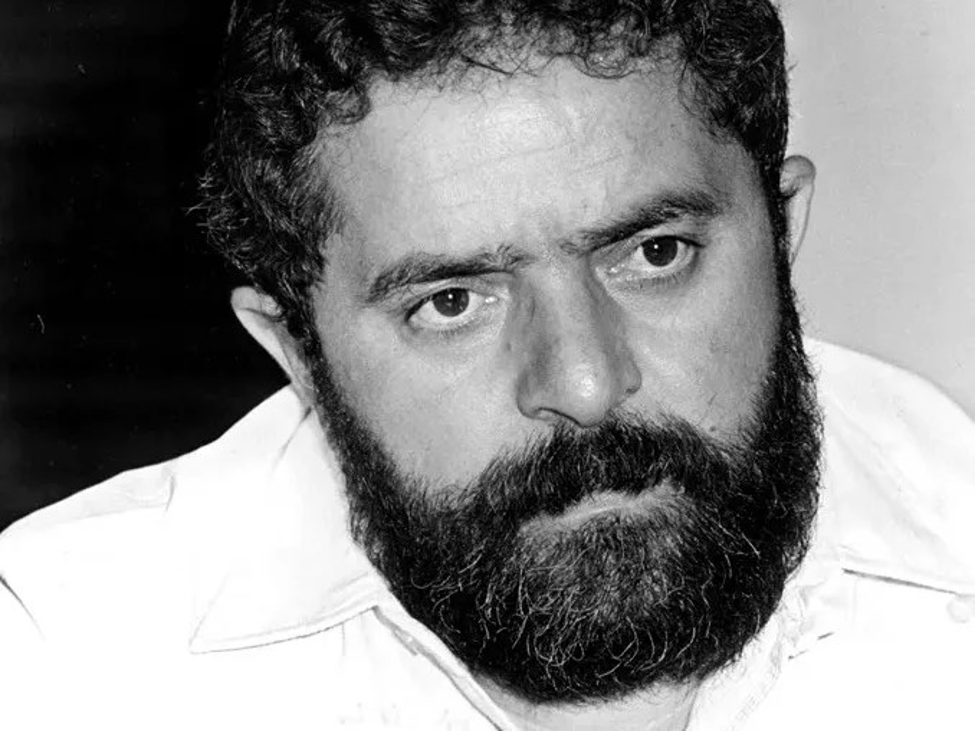
His brother Frei Chico introduced him to the metalworkers’ union in São Bernardo do Campo. Lula later admitted he had never imagined becoming a union leader, EFE reported. He led mass mobilizations during the military dictatorship, learning to turn grievances shared across factory floors into collective demands.
That experience supplied something a compelling childhood alone could not: an organization. Lula helped found the Workers’ Party and won election to the constituent Congress in 1986 with 651,763 votes, the largest individual total nationwide. Forty years separate that breakthrough from Sunday’s victory. His electoral durability was built across generations.
The presidential record also resists inevitability. He contested seven elections, losing in 1989, 1994 and 1998 before winning in 2002, 2006, 2022 and 2026. Three defeats preceded his breakthrough. The four victories were separated by years outside office and, eventually, a prison cell.
In 2018, the party nominated him again, but his candidacy was barred while he was imprisoned on corruption convictions later annulled. That attempted campaign belongs in the biography without being counted as another election he contested on the ballot. The distinction separates voter rejection from exclusion by judicial action.
His first two administrations, from 2003 through 2010, expanded universities and helped millions escape poverty and hunger. Those achievements gave his childhood story a public counterpart. But leaving poverty and staying secure are different. A family’s progress means less if the next economic shock can erase it.
The larger wager was that access to education and better living standards could turn beneficiaries into citizens with lasting economic independence. That remains the harder standard for his legacy. A leader can repeatedly recover his own political position. Families cannot be expected to rebuild their livelihoods every time the national cycle turns.
The Phone and the Hourglass
This campaign required another recovery. Lula finished the first round about two percentage points behind Flávio Bolsonaro, the former president’s son. In the nine presidential elections since military rule ended, no first-round runner-up had gone on to win. His comeback broke that pattern. His winning share remained below 52%: a historic achievement, but a narrow majority in a still divided country.
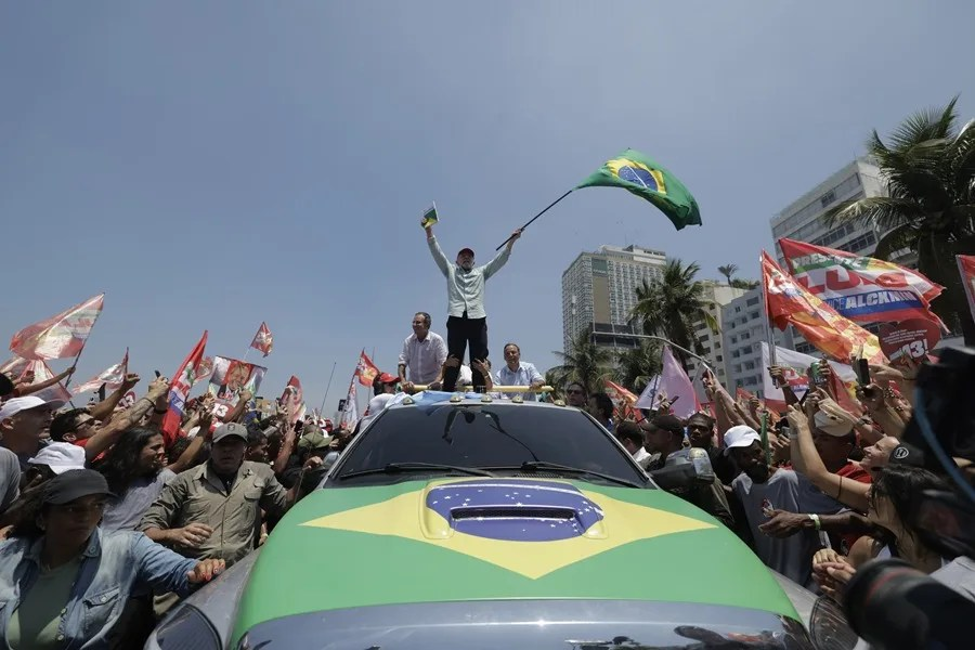
The response combined familiar street mobilization with an embrace of the phone screen. EFE reported that Lula proclaimed himself the “selfie king” and promoted a WhatsApp network described as having 10 million followers. Supporters circulated his achievements and attacks on his opponent.
Ten million is a measure of claimed reach, not demonstrated persuasion. Followers may already support the candidate, belong to overlapping groups, or share material without changing anyone’s vote. The result establishes that Lula’s coalition expanded sufficiently to win; it cannot isolate the contribution of a messaging network.
Still, the adaptation matters. A politician formed through factory meetings understood that political intimacy now travels through screens as well as crowds. The content remained familiar: his life, offered as evidence that he understands what ordinary Brazilians endure.
That life includes losses no electoral recovery could reverse. His first wife, Maria de Lourdes, died following pregnancy complications. His second, Marisa Letícia, died after a stroke. In 2022, he married sociologist Rosângela da Silva, known as Janja. He has five children and remains devoted to Corinthians.
Approaching 81, Lula says he wants to live to 120. Brazil has entrusted him with another term, not another lifetime. The measure of this presidency will be whether children like the boy in those borrowed sandals can count on something more reliable than miracles.