Puerto Rican Hitmaker Nicky Jam Signs the Songwriter Who Kept the Mic

An unedited studio performance brought Dominican producer Don Luciano more than 700,000 Instagram views and a deal with Nicky Jam’s Fenix Music Group. Mexico’s Peso Pluma backed a songwriter, too, and lost his spot atop the album chart to him.
The Song He Nearly Sold
Armando Luciano, a Dominican bachata singer, used to take his boy into recording studios. The boy from El Cerro sang, too. In 2014 and 2015, he learned how to produce records, a trade that brought him work with Dominican singer Yailin La Más Viral and Puerto Rican rapper Myke Towers. Don Luciano had been in the business a decade when he considered selling a song called “Fuiste Tú.”
Luciano went into the studio and sang it himself. He posted the unedited take on Instagram. Nicky Jam heard something in his voice worth building a career around and signed him as the first artist at Fenix Music Group. On November 13, “Fuiste Tú” became Luciano’s first release for the reggaeton star’s label.
Jam knows the luck of being overheard. Born in Massachusetts to a Dominican mother and a Puerto Rican father, he bagged groceries as a kid in Puerto Rico and made up rhymes about the food in customers’ carts. One shopper took him to a local label. Years later, as he struggled with addiction to prescription painkillers, a booking took him to Colombia in 2007. Medellín clubs still wanted him, and he stayed. In 2015, “El Perdón,” his duet with Enrique Iglesias, spent 30 weeks atop the U.S. Hot Latin Songs chart.
Fenix takes its name from the phoenix, the nickname Jam earned for that comeback. Jam gave a more practical reason for starting a label. “I’m 45 years old now, and I know I won’t be singing forever,” he said in announcing Fenix. He wants to spend some of those years helping other artists make records.

From Car Trunks to the Charts
Dominican bandleader Johnny Pacheco and lawyer Jerry Masucci founded Fania Records in New York in 1964 and sold records out of car trunks in Spanish Harlem. When Willie Colón, a teenage Bronx trombonist, came to sign with Fania, his mother represented him. Colón remembered getting $500 for the band. Pacheco urged him to try a Puerto Rican singer named Héctor Lavoe. Colón barely spoke Spanish. Lavoe spoke no English, but he knew a wealth of Puerto Rican songs. In 1967, Fania released their first album together, El Malo.
That partnership helped carry New York salsa around the world. When Concord bought Fania’s catalog in 2018, the deal covered about 19,000 master recordings and 8,000 compositions. A musician can create both in an afternoon. One is the song somebody else can sing tomorrow. The other is the performance listeners might recognize from the first few notes. The rights to both were changing hands half a century after Colón’s mother went with him to sign.
Even a hit can leave a musician waiting. Cuba’s Gente de Zona had already sung on “Bailando” with Enrique Iglesias when the duo went to Miami looking for a deal. Singer Randy Malcom recalled being told they lacked a track record. Marc Anthony made them his first signing at Magnus. Their album Visualízate, released with Sony Music Latin, topped the U.S. Latin albums chart in 2016.
In Culiacán, Mexico, songwriter Tito Double P showed his cousin a song he had written. It was “El Belicón,” the corrido that gave Peso Pluma an early hit. Peso founded Double P Records with his manager, George Prajin, in 2023 and signed Tito. In 2024, Tito’s first album, Incómodo, knocked Peso’s own Éxodo out of first place on Billboard’s Top Latin Albums chart. Tracks from Tito’s album drew 38.8 million official U.S. streams that week. The cousin who used to supply the songs could now bring listeners to the label himself.
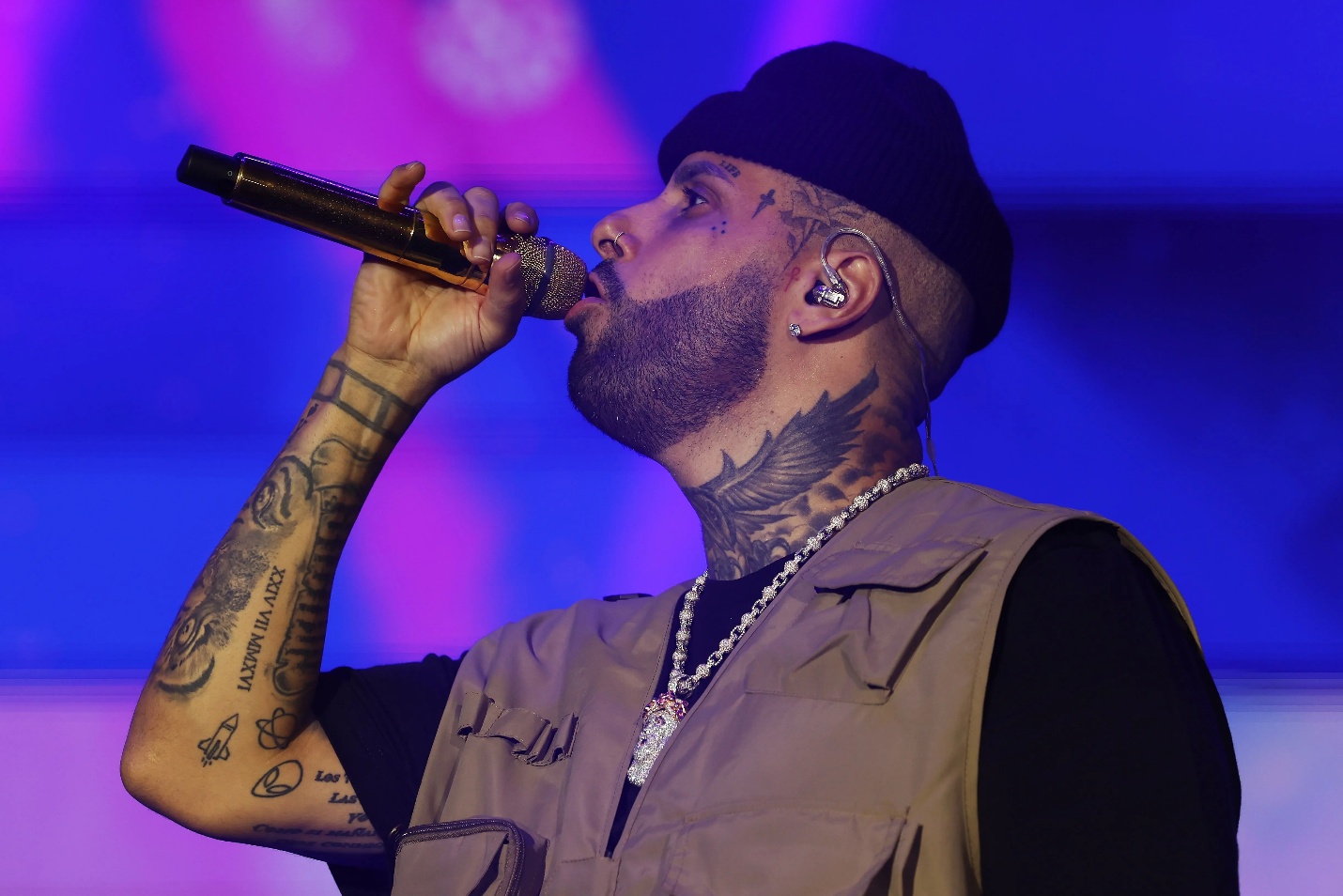
Who Pays for the Next Song?
A songwriter who sells a tune can put the check toward this month’s rent. Turn down the sale to record it yourself, and suddenly you’re the person paying for studio time and figuring out how to reach the first listeners. A musician with a label can cover those bills. Jam can also call a promoter who might give a new singer an opening slot in Medellín.
Latin American recorded music revenues rose 17.1 percent in 2025, faster than in any other region. Streaming supplied 88.1 percent of that money. Instagram measures something earlier in the process. Its counter includes the person who replays a clip and the one who never seeks out the single. Luciano came to Fenix with an audience already listening. The harder bet for Jam will be the next song, especially if it comes without a viral clip to recommend it.
The recording copyright notice on “Fuiste Tú” names Fenix Music Group. Luciano’s earnings as a songwriter are separate from his share of revenue from the recording. Neither side has said how they split that recording income or whether Fenix can recover its costs before Luciano gets paid. Those terms will matter when Luciano decides whether he can afford to keep another song.
Somebody who hears “Fuiste Tú” and wants to hear that voice again has a name to ask for. Don Luciano chose it in memory of Armando, the bachata singer who took his boy along to the studio.