Álix Brings Wonderland to Colombia, Where the Rabbit Recruits Children for War
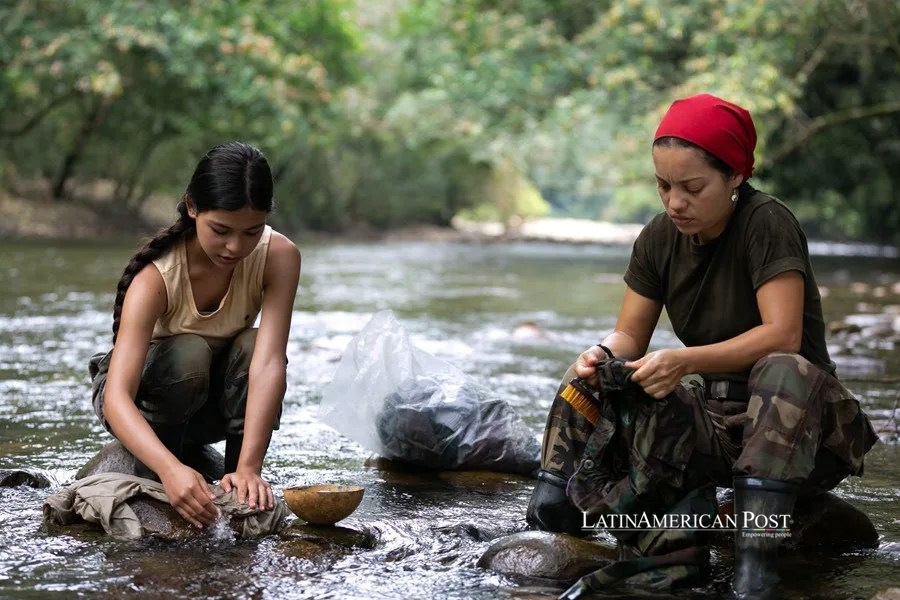
In Ana María Hermida’s Álix, a girl who talks to animals meets a man who promises her a family. The Colombian film opens Thursday, using magical realism to explore child recruitment as the FARC peace accord approaches its tenth anniversary.
The Trouble With Going Home
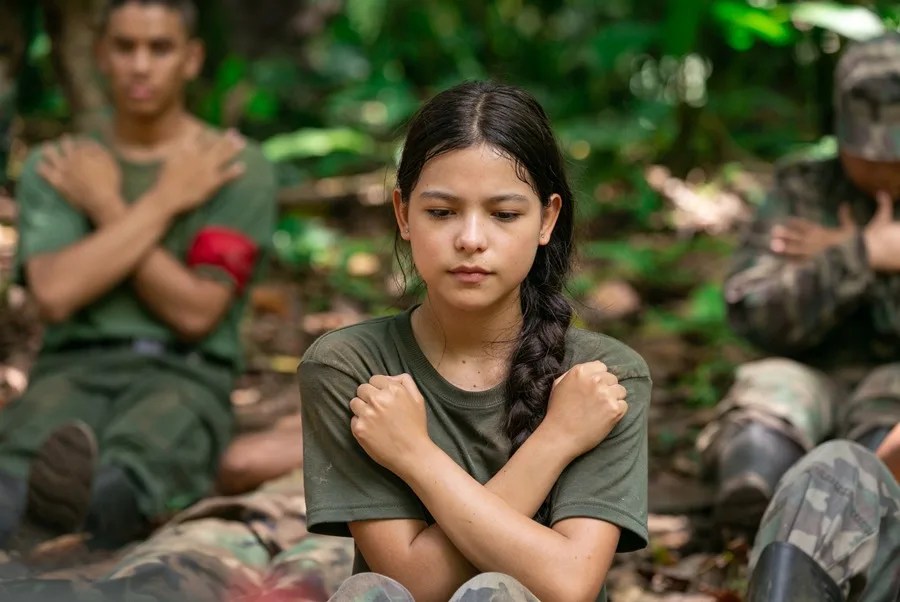
At the end of Lewis Carroll’s Alice’s Adventures in Wonderland, Alice wakes with her head in her sister’s lap. She gets a kiss and is sent in for tea. For Álix, the 12-year-old girl played by Cristal Aparicio, going home is a more troubling proposition. She lives in Colombia’s Magdalena Medio. Outside there are guerrillas. Inside is the stepfather who harasses her.
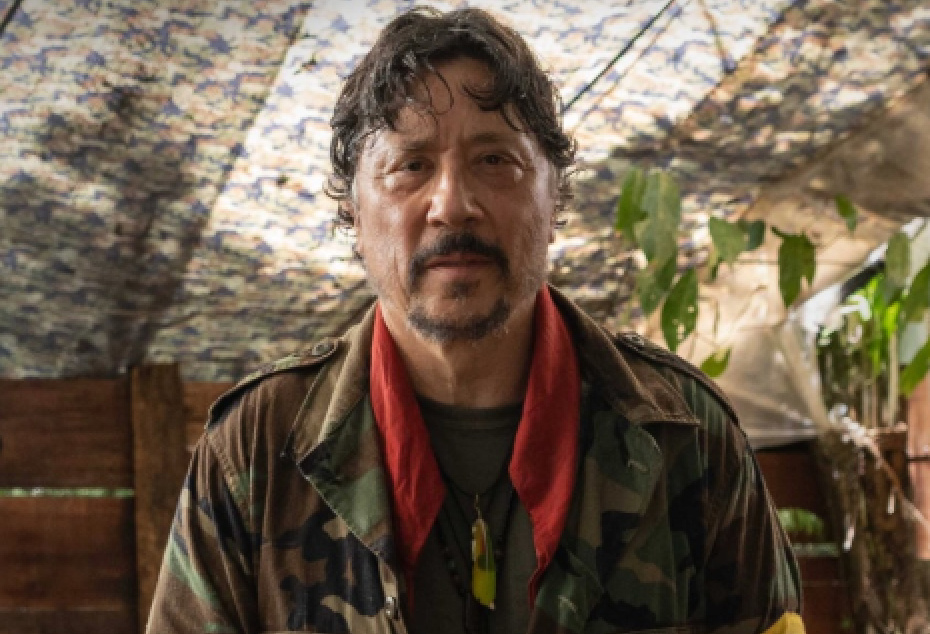
Then she meets Conejo. His name means rabbit, and readers of Carroll might expect her to follow him out of curiosity. What he offers is much harder to turn down. He promises Álix a new family. Conejo, played by Roberto Urbina, recruits children for an illegal armed group. An adult watching from the safety of a theater can see the danger in that offer. The girl hearing it knows what it costs to stay at home.
A Carroll admirer, Hermida told EFE she got the idea for the film on a visit to the Eje Cafetero, Colombia’s coffee region. Listening to a woman who had fought in the guerrillas helped her finish the story. The film shows “children’s ability to create magical worlds, especially when they’re living in a cruel world,” Hermida said. Álix has room in her imagination for all manner of company, animal and human. As for the choices within the girl’s reach, the director put it plainly. “Álix in particular is a girl whose only option was war.”
Who Gets to Have a Family
Family is also the word that brings Álix closest to Marta, a guerrilla fighter played by Natalia Reyes. Marta has survived abuse. She wants to build a family of her own and lives in circumstances that put that ordinary ambition beyond her reach. Set the two wishes side by side, and the film’s argument about reproductive rights comes into focus. A man recruiting children claims he can give a girl a family. A woman already in the ranks has little say over whether she can start one.
Reyes traveled to the southern department of Caquetá to research the part. “For me it was eye-opening to see children who had lived through the war,” she told EFE. When she described Marta, she used the Spanish word también twice, meaning “also.” Marta can also have dreams, Reyes said. She can also want a family. In a country accustomed to identifying a person by which side she fought on, that small insistence leaves room for the rest of a life.
Urbina, meanwhile, had to play a recruiter who could pass for somebody’s rescuer. His research helped him understand what people do “as a survival mechanism,” he told EFE. Building Conejo meant “suspending judgment” long enough to consider how the world looks to the man making the offer. The hard part for the audience is holding on to that understanding while taking stock of how little the girl knows about him.
“In the end, all of us Colombians are the same. We just had different opportunities,” Hermida told EFE. To describe a child in Álix’s position as having chosen a side would leave an important piece of information out of her story. What other offer did she have?
Ten Years in a Child’s Life
On November 24, Colombia marks ten years since the government and the Revolutionary Armed Forces of Colombia, or FARC, signed their 2016 peace agreement. A child who turned two on the day of the signing will turn 12 on its anniversary, exactly Álix’s age. Most of that child’s life has passed under the accord. Yet recruitment of minors “hasn’t stopped,” Reyes told EFE. The same ten years that an adult might call a short time to secure peace is a long stretch of childhood spent waiting for protection.
Reyes considers the accord, for all its imperfections, an international model for dialogue and a chance to heal. Urbina sees the discussions a film can provoke as part of the long peace process begun in 2016. The agreement committed the government and one guerrilla army to ending their war. A child’s safety also depends on what the people who see her every day are prepared to do. If a girl is afraid of her stepfather, whom can she tell, and where can she go tonight?
Hermida includes herself among the people who owe that child an answer. The debt extends beyond the state to “all of us Colombians who have kept quiet, who have looked the other way,” she told EFE. In the film, the danger that starts behind a front door follows a girl out into the valley. An adult who takes a girl seriously when she reports sexual abuse could give her somewhere else to turn on the day a man like Conejo comes along.
Hermida wants Colombians who have survived the armed conflict to have the chance to “achieve their dreams.” Álix is already good at dreaming. What she could use some help with is the modest wish at the center of all that invention. Carroll gave Alice a sister who would listen to the whole story about the talking animals before sending her in for tea. It seems a small thing to ask for a girl in the Magdalena Medio. Somebody she can come home to.