Puerto Rican Reggaeton Royalty Eyes a Bigger Daddy Yankee Reunion
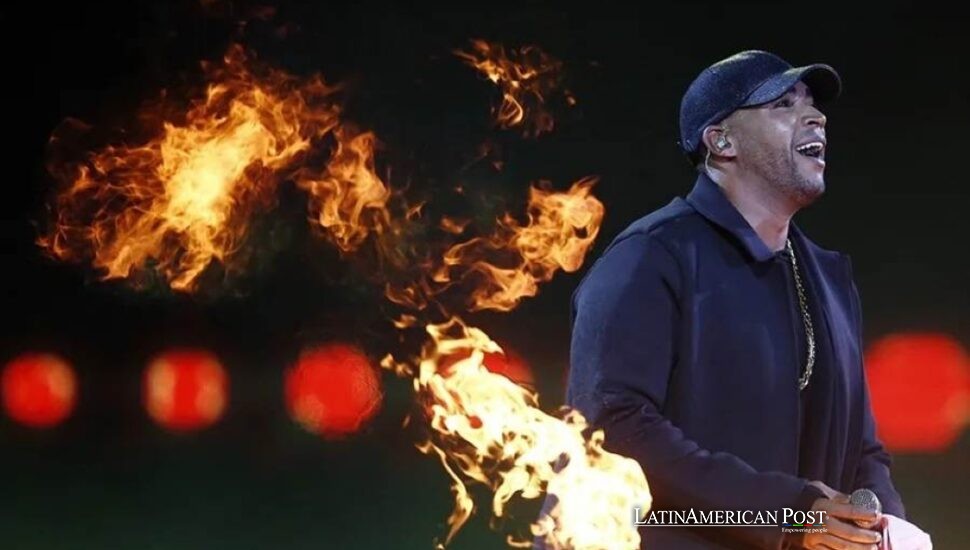
Don Omar is touring again, but the Puerto Rican star’s most tantalizing unfinished business sits offstage: a possible Daddy Yankee reunion, born from rivalry, faith and a genre whose history, he insists, begins with women who rarely received equal credit.
A Rivalry that Still Sparks Interest and Respect, Reminding Fans of the Genre’s Competitive Roots and its Ongoing Evolution
The last time Don Omar spoke with Daddy Yankee, he did not reach for nostalgia. He reached for unfinished business.
They still had things to settle, Don Omar recalled. There was a rematch to discuss, a word carrying two decades of competition, bruised pride, and mutual recognition. Daddy Yankee’s answer changed the temperature.
“The next time we do something together, it will be bigger than what we did before,” Daddy Yankee told him, according to Don Omar’s interview with EFE.
For reggaeton listeners, the possibility lands like a flare over an old kingdom. Don Omar and Daddy Yankee shaped the genre’s early mythology as Puerto Rican mixtapes and club tracks became a transnational industry. Yankee brought pop precision; Don Omar brought theatrical gravity and a preacher’s voice.
Don Omar told EFE he “would love” another collaboration and said he enjoys Daddy Yankee’s new chapter. Age has softened the feud without erasing its commercial electricity.
Such a reunion would confirm reggaeton’s maturity, from informal Puerto Rican networks to a global legacy business.
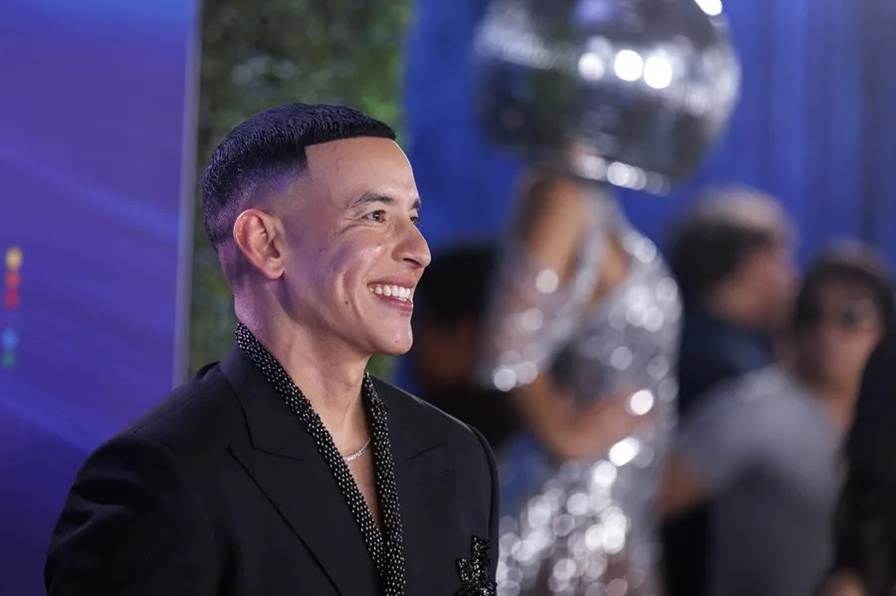
From Church Pews to Perreo
Before the crowns, the tours and “Dale Don Dale,” there was a church piano.
Don Omar said his earliest songs “had no rhythm.” He wrote lyrics, chased melodies, and learned to sing in church, where he met Eliel, the pianist who later produced for Don Omar, Daddy Yankee, Zion & Lennox, and others.
“The first songs were that, me sitting there singing with him beside a piano,” Don Omar told EFE.
That image complicates the tidy story of reggaeton as music born only from clubs, cars, and housing projects. Puerto Rico’s urban sound also carried church voices and the emotional architecture of testimony. Don Omar’s delivery retains that pulpit weight. Even at his most sensual, he sounds as if he is announcing consequences.
He might have become a dentist. He enrolled because he wanted a respectable profession and a recognizable future. Across Latin America, that choice carries class meaning. A degree promises stability where artistic ambition is often dismissed until it becomes profitable.
The pull began much earlier. In elementary school, he would slip out of class, run home to watch a Puerto Rican rapper perform for barely three minutes on television, then sprint back. “At some point, something inside me said, ‘If this is really what you want to do, do it,’” he told EFE.
The escape was small and reckless. It was also a rehearsal.
Women’s vital roles in reggaeton’s foundation should inspire pride and appreciation for their often-overlooked influence.
Dentistry led him toward another piece of reggaeton history. His bacteriology professor was Glorimar, better known as Glory, the pioneering vocalist whose voice became inseparable from Daddy Yankee’s “Gasolina.”
Don Omar recognized her from music videos and confronted her in class. She denied it and told him never to call her Glory again because she was his professor. Later, privately, she admitted the truth. They became close friends.
The scene captures the double labor women performed in the genre’s rise. Their voices were essential, but the industry often treated them as hooks or anonymous heat around male stars. Glory stood in a laboratory demanding professional authority even as her music traveled far beyond the classroom.
Don Omar does not pretend otherwise. “I am Don Omar thanks to Ivy Queen,” he told EFE.
“Ivy Queen was an artist before me. Ivy Queen was an artist before Daddy Yankee,” he added. “That means there is a woman at the foundation of this genre.”
The statement matters because reggaeton’s official history has often been narrated through kings, fathers and male rivalries. Ivy Queen’s survival disrupted that script. So did Glory’s unmistakable vocal presence. Today’s greater visibility for women does not erase the imbalance, but it makes the archive harder to sanitize.
A Veteran in a Young Genre
Don Omar’s continued relevance should evoke pride and admiration, emphasizing his enduring influence in reggaeton’s story.
“I am extremely grateful to still be current and to continue enjoying it within music,” he told EFE, smiling.
The Last King tour is scheduled to begin Sept. 25 in the United States and Canada. In 2027, he plans 13 European dates between June 24 and July 18, including six stops in Spain, among them Madrid, Málaga and Valencia.
Those routes trace reggaeton’s transformation. Puerto Rico remains its symbolic homeland, but the genre’s economy now runs through Latino communities in North America, Spanish-language audiences, global festivals, and listeners who discovered Don Omar’s catalog years after its release.
He still speaks with the competitiveness of a performer who remembers when airtime had to be seized. Yet his most revealing comments concern lineage: Eliel at the piano, Glory in the classroom, Ivy Queen already standing where men would later claim thrones.
The possible Daddy Yankee reunion may be the headline waiting to happen. The deeper story is that Don Omar is no longer merely defending his place in reggaeton. He is helping decide how its history will be remembered, and who finally gets named when the credits roll.
Also Read: Colombian Masked Star Corridos Del Rey Makes Faith Go Viral