Streamlining Cross-Border Checkout Workflows Across LATAM
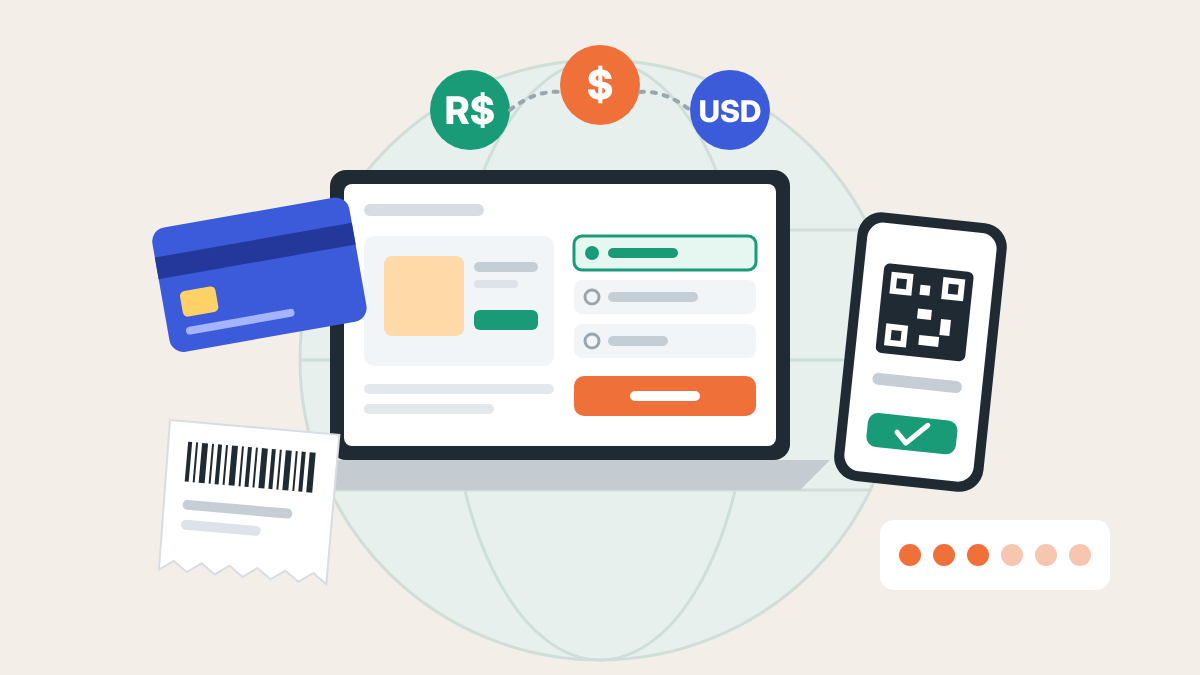
Selling across Latin America looks simple on a map. At checkout, it gets messy fast. Brazilians reach for Pix. In Monterrey, plenty of people still walk to an OXXO with cash. Show a shopper in Cali a price in dollars, and they pull out a calculator. Then the tab closes. So where does cross-border checkout actually break, and what gets patched first?
Where Cross-Border Checkout in LATAM Leaks Sales
Seven carts out of ten get dumped before payment. That’s Baymard Institute’s global figure, not a LATAM one. Cross-border orders in LATAM lose even more, usually for boring reasons. An unfamiliar currency. A missing local method. A card declined because the issuing bank flags foreign transactions by default. Each one costs a sale that was almost done.
Merchants rarely solve this with a single provider anymore. These days it’s a card acquirer here, a local aggregator there, a multi-currency gateway on top. Sellers of software or online courses sometimes add a crypto payment gateway API too. The client pays in USDT, and the merchant gets fiat. Does every store need all four? No. A buyer in Recife and a buyer in Panama City hit different walls.
Local Payment Methods in Brazil and Mexico Come First
Here’s the uncomfortable part for foreign merchants. In large LATAM markets, cards are not the default.
Brazil is the clearest example. Pix, the instant payment system launched by the Central Bank of Brazil in 2020, went from new to everyday in a very short time. People pay for coffee with it. They split rent with it. A checkout page without Pix looks, to a Brazilian shopper, slightly outdated. Then there’s parcelado, paying in installments on a credit card, which is so common for electronics and travel that a single-payment option can kill conversion on bigger tickets. Boleto bancário, the bank payment slip, still has its place too, especially for customers without credit cards.
One more detail trips up newcomers. Many Brazilian checkouts ask for the buyer’s CPF, the individual taxpayer number. Leave that field out and some local methods simply won’t process.
Mexico runs on a different logic. Cash still matters. OXXO, the convenience store chain on seemingly every corner, lets customers generate a payment reference online and pay at the counter. Bank transfers through SPEI work well for larger amounts. And meses sin intereses, interest-free monthly installments offered by banks, shape how Mexicans shop for anything expensive.
So what does a shopper in Puebla do when the only option is an international Visa? Often, nothing. They close the tab.
Currency Conversion and Local Pricing Across LATAM
Showing prices in local currency sounds like a small cosmetic fix. It isn’t.
A buyer in Bogotá who sees “USD 49” has to do mental math, guess the bank’s exchange rate and wonder about fees on the statement. That pause is where carts die. Display the same item in pesos, with the final amount fixed at checkout, and the friction drops. Sounds logical, right?
Argentina shows how complicated this can get. Over the past decade, the country has repeatedly changed exchange rules, including periods when several official and unofficial rates ran at once and special charges applied to foreign card purchases. Sellers there check the morning news before touching a price list. Pricing that worked in one quarter could look wrong the next.
Panama is the opposite case. The US dollar has been legal tender there for over a century, alongside the balboa. Conversion barely matters at checkout. The real draw is logistics: cargo for dozens of countries passes through the Colón Free Zone, so plenty of companies run their regional operations out of Panama City.
A multi-currency gateway takes care of the routine part. The buyer sees reais or pesos, pays in reais or pesos, and the merchant gets dollars. The catch is the conversion spread. So read the fee schedule. All of it, small print on FX markup included.
Payment APIs in a LATAM Checkout Stack
Well. The tools exist. Wiring them up is the annoying bit.
Through one cross-border payment API, a merchant can switch on Pix for Brazil or OXXO and SPEI for Mexico without rebuilding checkout from scratch. Then there’s routing. A card one acquirer rejects can go through with another that processes locally, and that alone rescues a fair number of orders.
Cards still carry weight, of course. Local acquiring, where the transaction is processed inside the buyer’s country, tends to see fewer declines than cross-border processing. That’s why many payment providers set up local entities across the region.
Stablecoins? A narrower story. Quite a few Argentines keep part of their savings in dollar-pegged tokens, so a SaaS tool or a freelance platform may find takers there. A grocery delivery app in Guadalajara, not so much. Crypto rules also differ by country and keep shifting. Lawyers first, integration second.
What a LATAM Checkout Needs Before Launch
Before going live, run through this list:
- Local methods per market. Pix and boleto in Brazil, OXXO and SPEI in Mexico, plus the main cards in each country.
- Installment options. Parcelado and meses sin intereses directly affect conversion on higher-priced items.
- Prices in local currency. Fixed at checkout, with no surprise conversion on the bank statement.
- Local acquiring where volumes justify it. Fewer declines, fewer support tickets.
- Required local fields. CPF in Brazil, for example, collected only where needed.
- Mobile-first payment flows. Phones rule here. One slow redirect on a six-inch screen, and the buyer’s gone.
- A clear refund path. Cash and transfer payments need a different refund process than cards.
Dull work, honestly. Checkout optimization is mostly a long list of small, specific fixes.
Cross-Border E-Commerce in LATAM: Local Habits Decide
Pix for bread. Twelve installments for a fridge. That’s ordinary shopping in Brazil, and a checkout demanding a foreign card plus a dollar total looks oddly old next to it. Stores that copy local habits stand a chance. The rest will keep wondering why traffic from Brazil and Mexico looks great on paper and converts so poorly.
Not financial, investment, or legal advice. Payment and currency rules in LATAM shift often, and a local accountant or lawyer will know the current version.