Uruguay Gives World Cup History Extra Time at Its Beloved Centenario Stadium
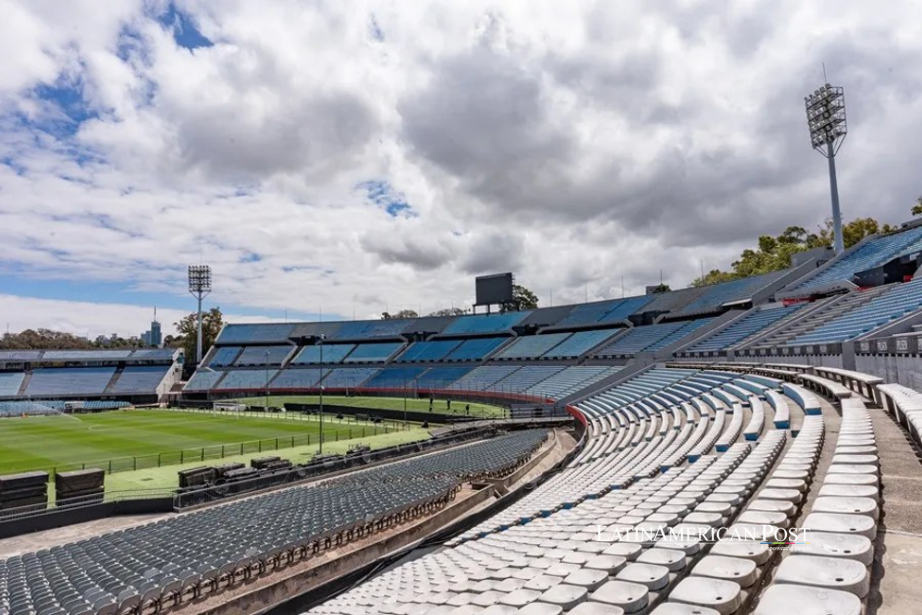
Montevideo’s Centenario Stadium will host the Copa Libertadores final before renovations for the 2030 World Cup. For Uruguay, the ground where the first World Cup was decided carries a harder question: how much of its future can history actually buy?
A Republic Poured into Concrete
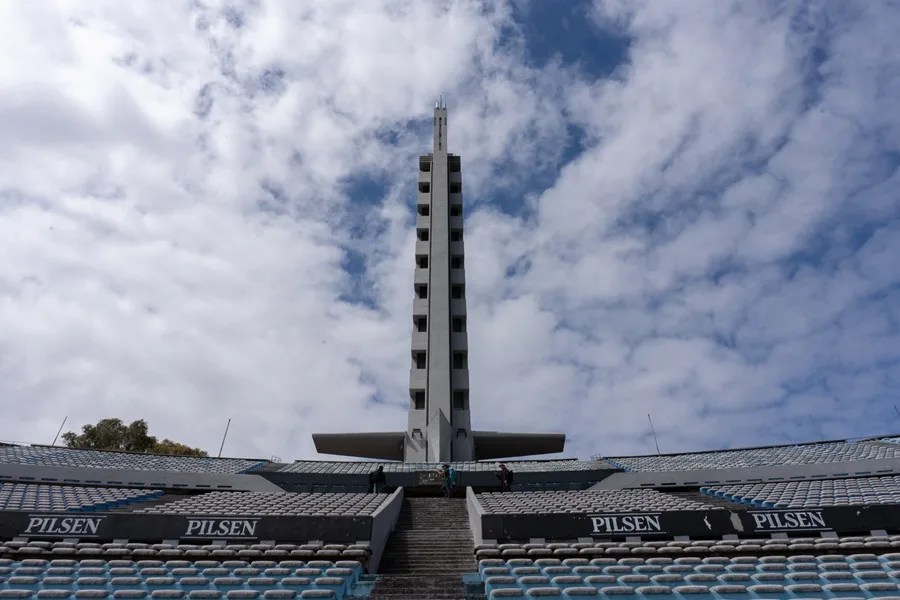
At the Centenario, even finding your seat means walking through somebody else’s triumph. The Colombes and Amsterdam stands commemorate Uruguay’s Olympic football gold medals in 1924 and 1928. Those names put victories won across the Atlantic into the everyday vocabulary of people meeting friends, finding relatives or arguing about where to watch.
On November 28, Estudiantes de La Plata and Palmeiras will bring their own memories to Montevideo for the Libertadores final. EFE reports that the match will extend the stadium’s record for hosting finals in South America’s premier club competition. Soon afterward, attention turns toward the work required to welcome the World Cup back.
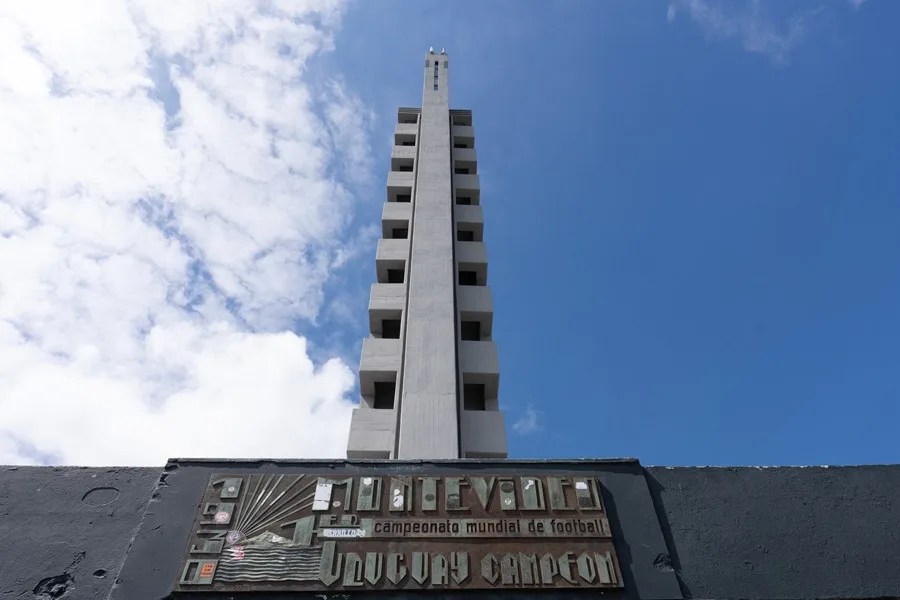
The building’s original ambition was enormous. Opened on July 18, 1930, the Centenario marked one hundred years since Uruguay adopted its first constitution. Its name tied football to the republic itself. Between Argentina and Brazil, a much smaller country asserted that size didn’t determine who could organize modern spectacle or command international attention.
That confidence had calluses. About 1,100 workers labored in three shifts during construction, yet heavy rain prevented the stadium from opening with the tournament. Its first match came five days later. The birthplace shorthand needs that correction: World Cup football began elsewhere in Montevideo before the Centenario was ready.
Once open, it became the tournament’s center. Ten of the eighteen matches took place there, including both semifinals and Uruguay’s 4-2 victory over Argentina in the final. That was roughly 56 percent of the competition inside one stadium. Uruguay played all four of its matches there and won every one.
The significance runs deeper than a trophy photograph. A final between neighbors made the Río de la Plata the center of an international competition that would eventually command the planet’s attention. Uruguay’s Olympic success became World Cup authority, reinforced by a monumental building that people could enter and claim as their own.
Public School No. 100 sits beneath the Olímpica stand, which also houses the football museum. The arrangement gives the building a civic life beyond ticket sales: a place built for international competition also makes room for children learning their first lessons.
Two Clubs, One Familiar Address
For Estudiantes supporters, the Centenario holds the beginning of another inheritance. In 1968, their club beat Palmeiras 2-1 in La Plata, then lost 3-1 in São Paulo. Palmeiras had scored more goals across the two games, but the rules required a playoff after each side won once.
Montevideo settled it. Felipe Ribaudo and Juan Ramón Verón scored in a 2-0 Estudiantes victory, delivering the club’s first Libertadores title. The distinction matters when counting the stadium’s finals: earlier editions could involve home games, away games, and neutral playoffs, unlike today’s single championship match. Its record reflects different ways to decide a continent.
Palmeiras has a happier ending filed here, too. On November 27, 2021, Raphael Veiga and Deyverson scored in its 2-1 victory over Flamengo, the winner arriving in extra time. Five years later, coach Abel Ferreira, captain Gustavo Gómez and Uruguay’s Joaquín Piquerez return, according to EFE.
Andreas Pereira returns on the other side of that memory, having represented Flamengo in 2021 and now playing for Palmeiras. A stadium can preserve a result forever while the people inside it change employers, loyalties and expectations. For him, the same walk onto the field will come in different colors.
The World Cup Comes Home Briefly
The 2030 return carries an uncomfortable arithmetic. Under FIFA’s announced arrangement, Uruguay, Argentina and Paraguay receive one match apiece, while Morocco, Portugal and Spain host the other 101. The Centenario’s share falls from more than half the inaugural tournament to less than 1 percent of the planned 104 matches.
That comparison suggests the limits of historical prestige. South America supplies the anniversary’s emotional center, while most games, visitor stays and commercial activity will occur across the Atlantic. Uruguay receives recognition for helping establish the competition, but recognition brings neither a full tournament nor a month of visiting crowds.
Before the builders arrive, another congregation will fill the stands. Pope Leo XIV is scheduled to lead a prayer vigil there on November 7. EFE reports that people claimed seats within two hours. The demand shows how quickly this football ground becomes a gathering place for people whose reasons for coming go beyond football.
Uruguayan Football Association president Ignacio Alonso told EFE that renovations would probably begin in the second half of 2027. “The stadium will retain a design that respects tradition,” he said, identifying the América stand’s functional areas as the main focus. He also wants a venue used for activities beyond matches.
That ambition deserves scrutiny after the anniversary cameras leave. A single World Cup fixture cannot establish whether the renovation serves Montevideo well. Regular use, manageable maintenance costs and access for ordinary spectators will matter longer than the ceremonial kickoff.
The Centenario earned its place through people returning, bringing someone younger, learning the names of the stands. Keeping that habit affordable and possible would give Uruguay something more durable than another plaque: a World Cup monument with a useful life still ahead.