Quito Banks on La Mica as El Niño Tests Its Water Supply
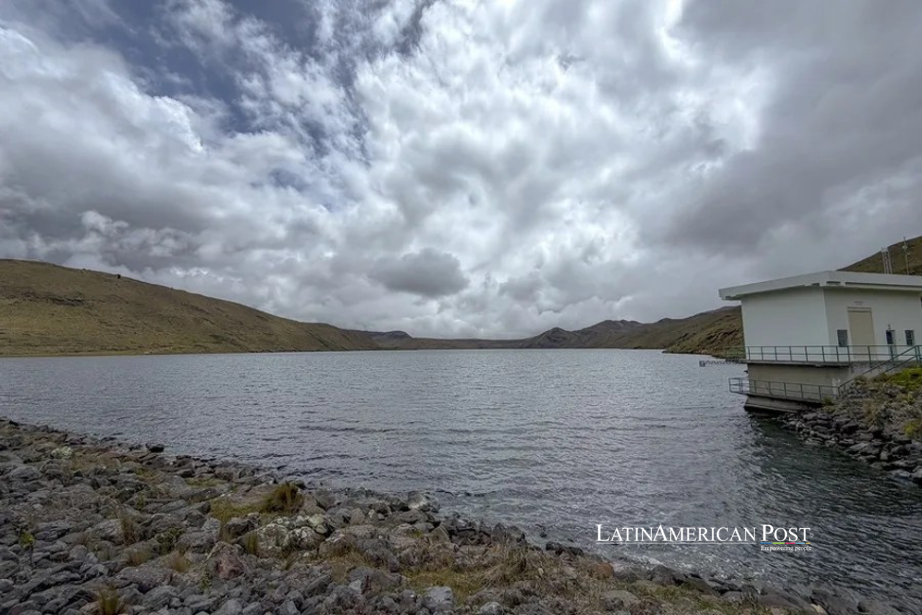
Quito’s La Mica reservoir is nearly full, reassuring 450,000 residents as El Niño threatens Andean rainfall. But last year’s broken pipeline exposed a harder truth: protecting its water means safeguarding mountain soils and every mile between reservoir and tap.
A Full Reservoir, a Finite Reserve
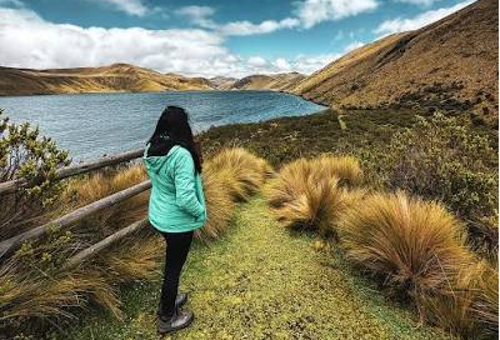
Before water reaches a kitchen in southern Quito, it passes through a landscape the city cannot afford to treat as scenery. Around La Mica, beneath Antisana volcano, cushion plants and páramo soils absorb and retain moisture. Downstream, that water becomes something ordinary and indispensable: a meal cooked, a child washed, a workday started.
Technical crews stay in camps near the reservoir, working weekly rotations that keep someone watching the system around the clock. The city’s morning routines depend partly on workers spending their weeks away from home, monitoring water levels and maintaining intakes and equipment.
For now, there is breathing room.
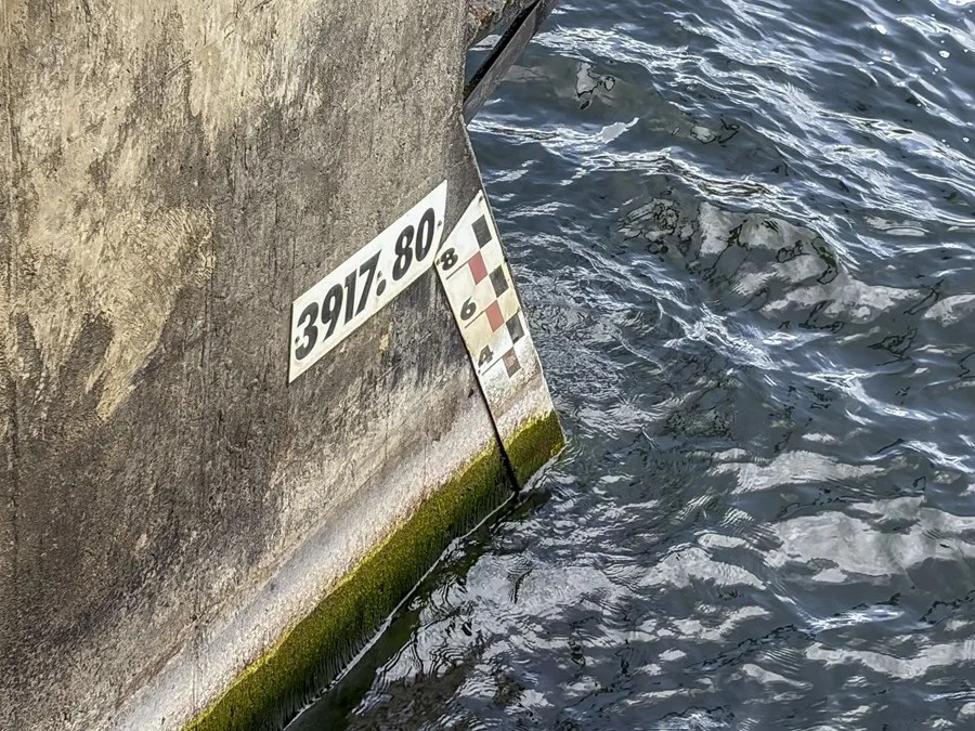
Vinicio Crisanto, who heads water intakes and conveyance at Quito’s public water utility, Epmaps, told EFE that La Mica stands at 99 percent capacity. “We have secured water availability until April 2027,” he said, identifying that month as the expected beginning of the local rainy season.
The assurance matters as El Niño strengthens. Warming in the tropical Pacific can bring excessive rainfall to Ecuador’s coast while reducing precipitation in parts of the Andes. Local effects vary, however. A forecast of a powerful event does not translate automatically into a particular shortage at a particular reservoir.
La Mica delivers approximately 1,560 liters per second to the El Troje and Puengasí treatment plants. Maintained around the clock, that flow equals nearly 135 million liters daily. Divided among 450,000 residents, it amounts to roughly 300 liters, or 79 gallons, per person each day.
That calculation describes water entering the supply system. It does not establish what each resident consumes. Account for treatment requirements, network losses, and nonresidential demand before blaming household habits. The reported figures do not separate those uses.
Municipal figures also distinguish total reservoir capacity, 50 million cubic meters, from usable storage of 24 million. At the reported delivery rate, the full usable volume represents about 178 days of output, excluding incoming water and other losses. That rough calculation helps explain the April horizon without independently validating the utility’s forecast.
When Rain Breaks the Lifeline
Southern Quito already knows how little comfort a full reservoir can offer when the connection fails.
In 2025, unusually heavy rainfall saturated terrain near La Mica and triggered a landslide that damaged 350 meters of pipeline. Water remained plentiful upstream while service failed downstream. “The reservoir was full,” Crisanto told EFE. “The problem was the damage caused by the landslide.”
That reversal is a hard lesson. Drought threatens the quantity stored; heavy rain can threaten the infrastructure carrying it. Preparing for one hazard while neglecting the other leaves the same households vulnerable, even if the reservoir gauge gives reassuring readings.
For a family, the distinction between insufficient reserves and a damaged pipe doesn’t make the interruption any easier. Cooking, cleaning, and getting children ready still require water. The engineering explanation matters because it determines what must change before the next interruption.
Crisanto also pointed to high neighborhoods where, he said, excessive consumption sometimes empties distribution tanks. His account identifies another weak point between mountain and household. Water can be in the reservoir and still fail to reach higher-elevation homes when needed.
Conservation campaigns therefore have a role, but their credibility depends on evidence. Residents deserve clear information about consumption, leakage, tank capacity and service pressure. Asking everyone to save water is reasonable. Treating every dry tap as proof of waste would mistake a complex distribution problem for a simple failure of individual discipline.
The Mountain Is Part of the Utility
The páramo offers protection that concrete alone cannot provide. Its vegetation and soils hold moisture and help regulate its release. Maintaining that function means conserving the ground around the reservoir as carefully as the structures built to contain the water.
Marco Rodríguez, an Epmaps communications official, told EFE that conservation had helped soils recover and encouraged wildlife to return. Through the water protection fund Fonag, he said, partnerships with landowners and purchases totaling about 73,000 hectares supported the protection of water source areas.
That is about 180,000 acres. It measures the scale of land protection, not a guaranteed volume of drinking water. The value depends on what happens across those hectares over time, including whether vegetation recovers and soils retain their capacity to store moisture.
Rodríguez described agreements moving cattle to lower ground and reducing use of páramo soils. Such arrangements link urban needs to rural livelihoods. A city benefits when upland landholders change grazing practices, but those households must also be able to sustain the change.
That is the political bargain beneath the landscape. Quito’s water security cannot rest entirely on restrictions imposed far from the neighborhoods receiving the benefit. Durable conservation requires cooperation with the people managing the source areas and resources that continue after an emergency fades from public attention.
La Mica’s near fullness is welcome news. Its deeper promise depends on keeping the whole journey intact, from protected soil to functioning pipe to neighborhood tank. For southern Quito, success will be measured in the unremarkable moment when someone turns a faucet and gets on with the day.