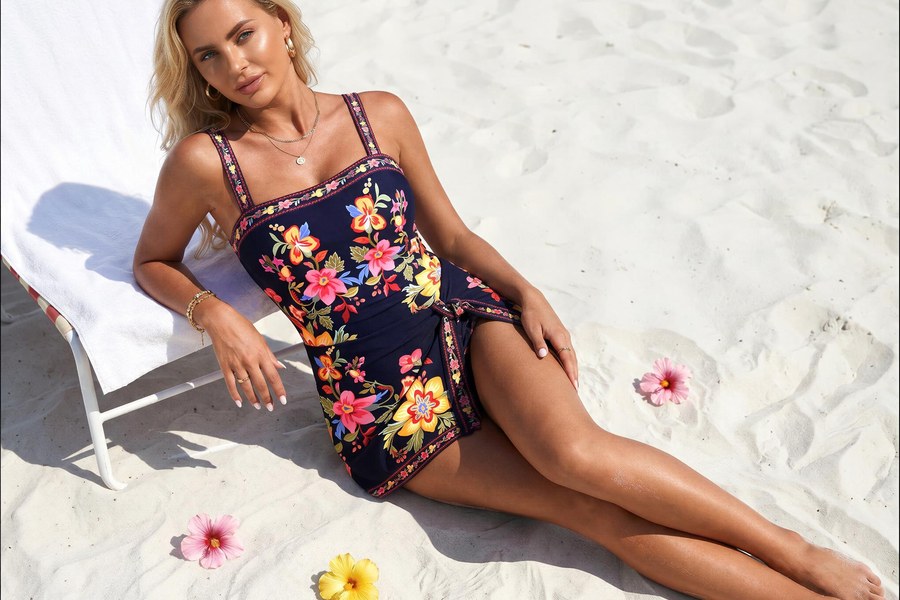
From the Caribbean coast to the Pacific and Atlantic, beach style across Latin America is varied and personal. A one-piece can be sleek for swimming, playful for a beach gathering, or easy to wear from the sand to lunch. Names such as sweetheart, ruched, high-leg, racerback and swimdress describe different parts of the same suit. Learning those parts makes it easier to choose a look that suits your plans and your own sense of style.
Think of the labels as a map rather than competing trends. The neckline, midsection and leg line can be mixed in many ways, whether you prefer a bright print, a clean solid color or more coverage for a long day outdoors.
Read a One-Piece by Zone
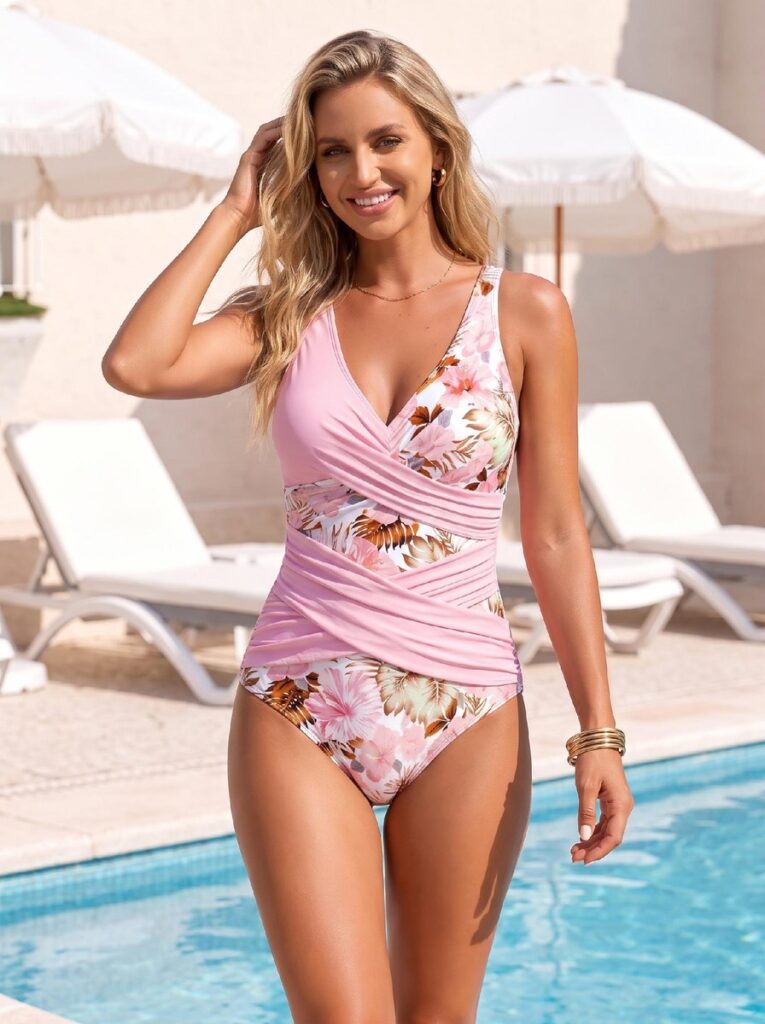
For a beach day in Cartagena, Rio, San Juan or anywhere in between, start with the three parts of a one-piece that affect its look and feel:
- The neckline and straps shape the upper silhouette and affect support and coverage through the chest and back.
- The midsection changes the texture and fit through the torso, from a smooth panel to a gathered or wrap front.
- The leg line sets the amount of coverage at the hip and thigh and changes the suit’s overall proportions.
This way of reading a suit helps when browsing a market rack or a long category page of one piece swimsuits. Start with the neckline if support matters most, or the midsection if you want a particular texture or fit.
Necklines And Straps
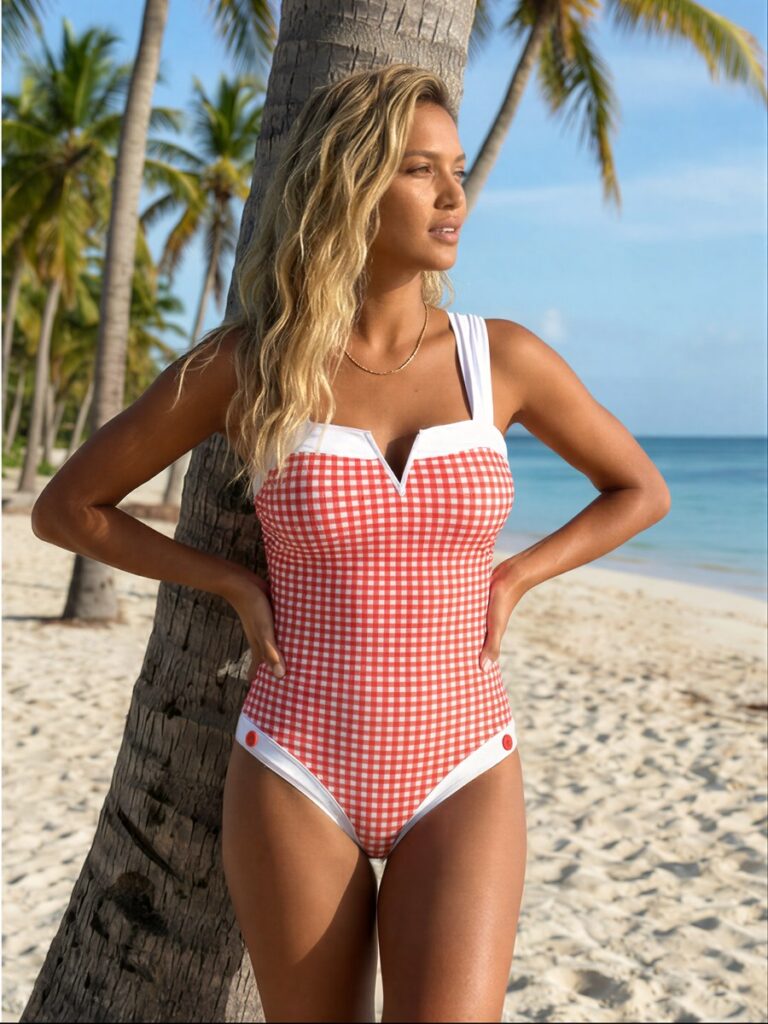
The top of a one-piece helps set the mood of the look, from a simple tank for swimming to a bandeau for lounging. It also carries much of the suit’s support, so the best choice depends on what you will do in it.
For Swimming and All-Day Wear
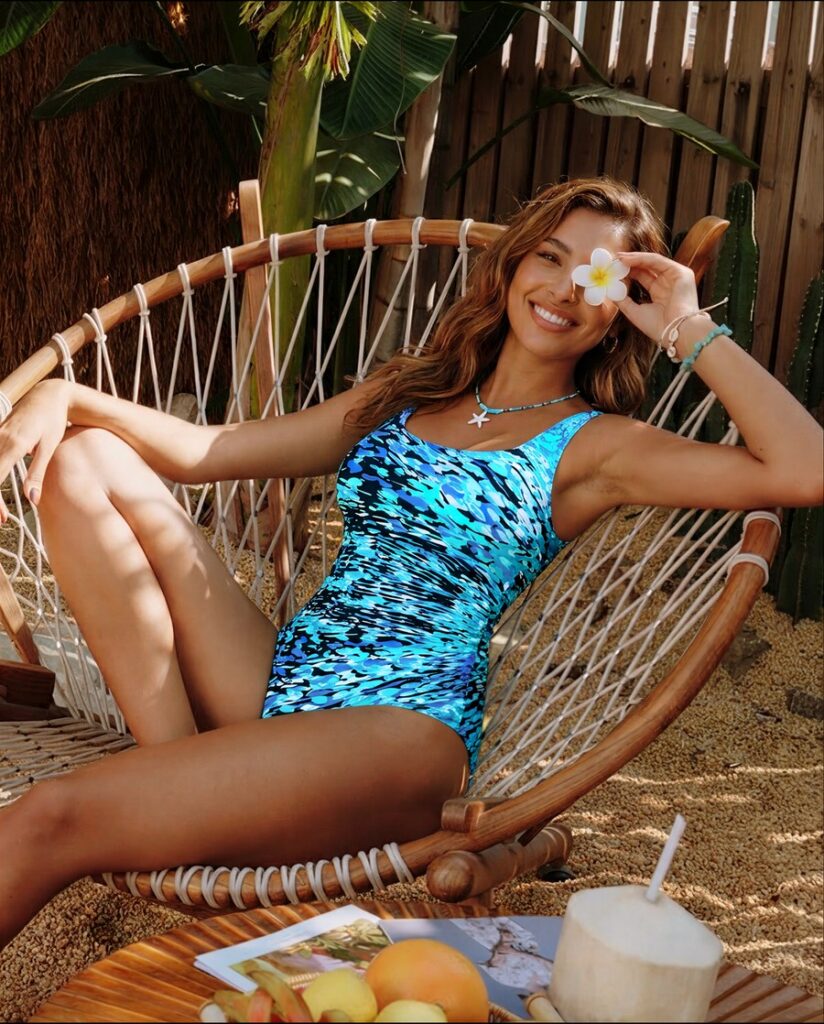
A tank or maillot has a scoop or straight neckline and shoulder straps set fairly wide. Its simple shape works well for swimming and for styling with a pareo or linen shirt after the beach. A high neck offers more coverage across the chest and can feel secure during active days.
A sweetheart neckline brings a soft curve to the bust and pairs easily with vivid tropical prints, stripes or a solid color. Some versions add molded cups or underwire. If you expect to move between water, music and a long seaside meal, check that the straps adjust and stay comfortable when wet.
For a More Open Look
A plunge, bandeau or one-shoulder cut makes the neckline the focal point. These shapes can feel right at home in the expressive beach wardrobes seen across Latin America, but there is no single regional uniform. A halter lifts from behind the neck; try it on for comfort if you plan to wear it for hours.
Open backs and crisscross straps add detail that shows beautifully with hair worn up or a light cover-up. For a day that includes swimming or dancing on the sand, check that the chest band anchors the suit securely.
The Midsection
Ruching gathers fabric across the torso and gives a one-piece texture and movement. A wrap or surplice front creates a diagonal line that can make a floral or geometric print feel especially lively. Choose the effect that appeals to you; the midsection does not need to disguise your body to deserve attention.
A firmer lining may be labeled tummy control, while cutouts leave small openings at the waist or ribs. Both can work in a Latin American beach wardrobe, from a relaxed family day to a late afternoon gathering. The useful test is whether the fabric feels comfortable when you sit, walk and swim.
Color blocking or a faux two-piece hem can change the look of a one-piece without changing its coverage. Torso length matters too: if the straps pull or the leg openings ride up, a long-torso option may fit better. Good fit leaves room to enjoy the day rather than adjust the suit.
The Leg Line
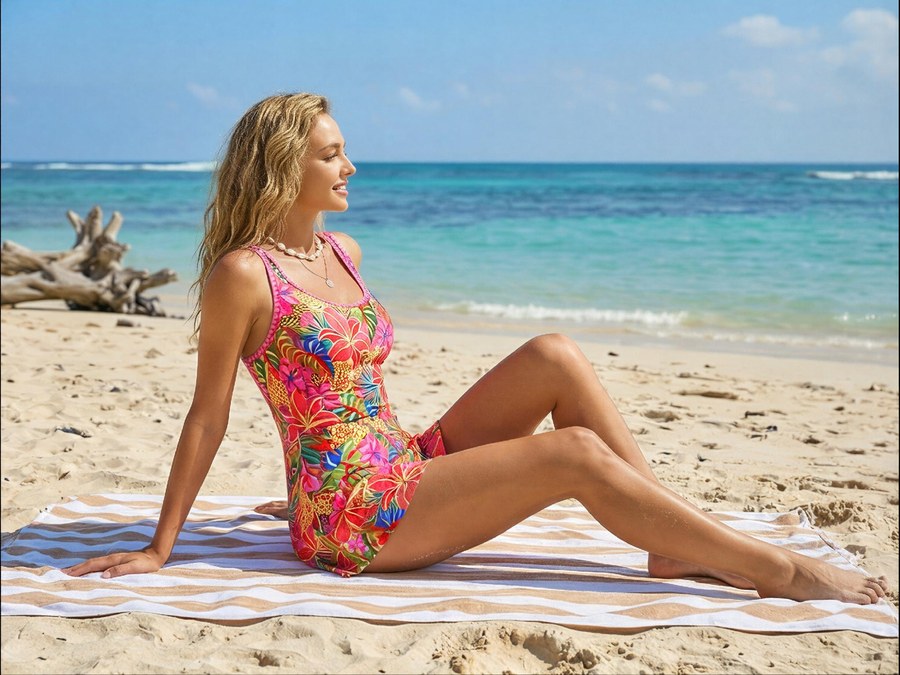
High-leg cuts are a familiar beachwear option in parts of Latin America, especially where bold, body-confident styling is popular. They sit above the hip and show more skin at the side. A classic leg offers a more moderate line. Neither is the ‘Latin’ choice; both belong in a wardrobe built around personal comfort.
Boyleg styles extend farther down the thigh, while a swimdress adds a loose skirt over an attached brief. They offer different kinds of coverage for walking, playing with children or stopping at a beach café. A pareo or light shorts can change the look again without requiring a different suit.
Built For Activity
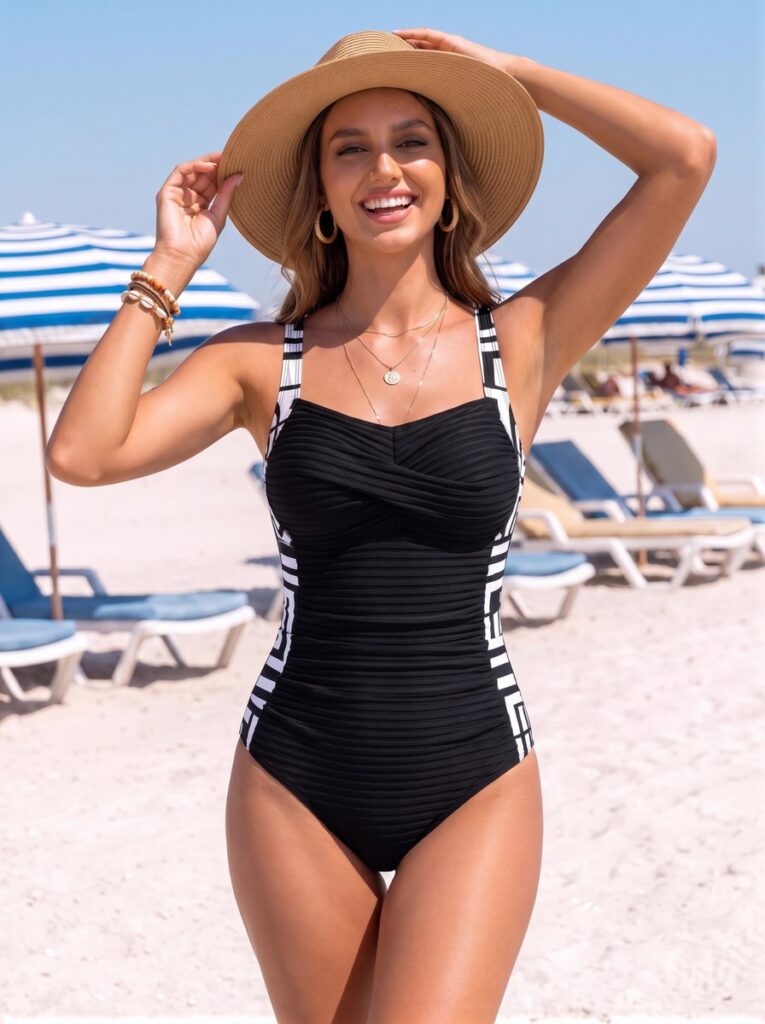
Activity matters as much as silhouette. A racerback brings the straps together between the shoulder blades and helps keep them in place for swimming, snorkeling or a game on the sand.
Long-sleeve suits with a front zipper cover the arms and chest for paddleboarding, snorkeling or long hours in strong sun. On an active beach day, start with swimwear that stays comfortable through the movement, then choose the neckline and print you like.
For long hours outdoors, a long-sleeve or fuller-coverage suit may be a practical choice, including on family beach days. Pair the style you enjoy with sun protection that suits the conditions.
Latin American beach style has room for many silhouettes, colors and levels of coverage. Start with the neckline, midsection and leg line, then consider where the day will take you. The best one-piece is the one you can move in comfortably and make your own.