In Haiti, Death Toll Mounts as Gangs Return to Streets and Justice Has Yet to Arrive
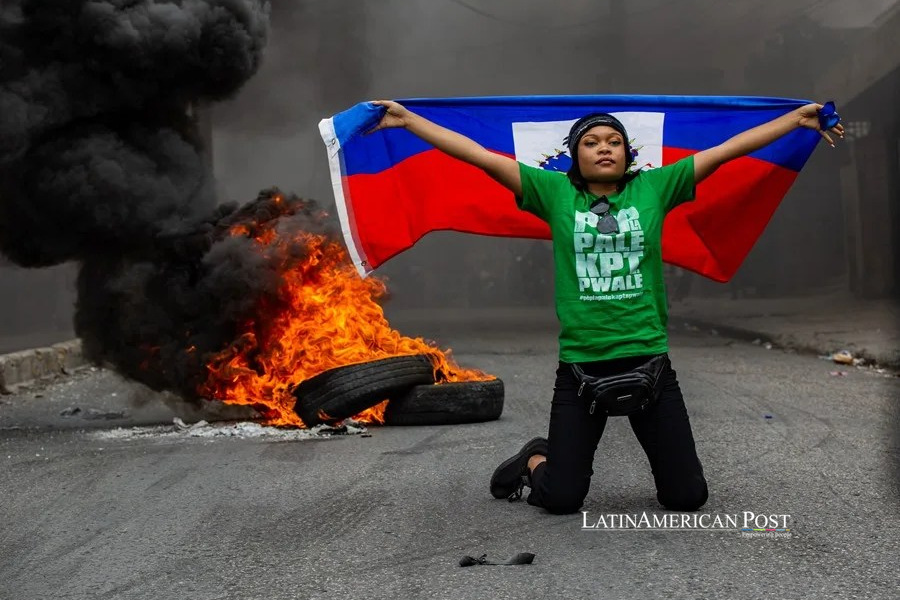
Haiti recorded at least 1,167 violent deaths in three months, half during security operations. In La Saline and Bel-Air, gang members returned to neighborhoods where residents have waited years for the courts to establish who should answer for earlier massacres.
How Long a Street Stays Open
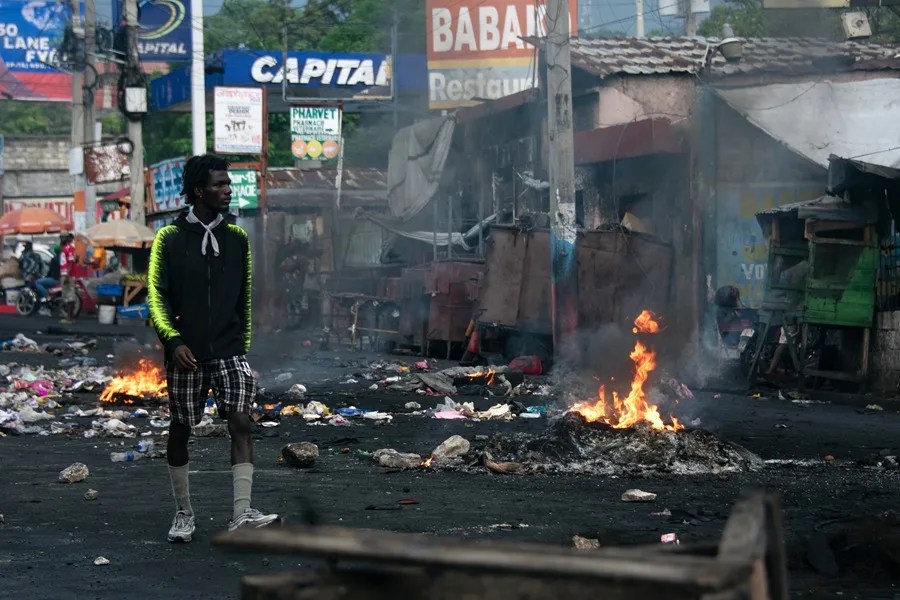
Early this year, gang members fled three Port-au-Prince neighborhoods after security forces moved in. By the end of September, armed men were back in Bel-Air, Bas Delmas and La Saline. For a market vendor who borrows to buy a sack of rice, reopening means betting the street will stay safe long enough to earn that money back. The debt comes due even if the gunmen return.
Nationally, the recorded pace of killing eased. The United Nations Integrated Office in Haiti documented 1,167 deaths from July through September and 459 people wounded. That brought the death toll for the first nine months of 2026 to 4,217. The first six months accounted for 3,050 deaths, an average of 1,525 per quarter. The latest count was nearly a quarter below that average. It still worked out to almost 13 people killed each day.
Half of the deaths occurred during operations by security forces. The U.N. office attributed 45% of the killings to gangs and 5% to self-defense groups. A relative can learn from that first category that someone died during a raid and still need the forces involved to explain who fired the fatal shot. Men accounted for 81% of the dead. A man caught in gunfire on his way home and a man firing a gun would both appear in that column.
Women accounted for 13% of the dead and children 6%. That rounded share represents roughly 70 children. At least 32 teenagers, ages 14 to 16, died in exchanges of gunfire with security forces after the Grand Ravine gang recruited them. Children recruited by that one gang alone accounted for nearly half the estimated child death toll. Haitian institutions, civic groups and international partners had all worked to keep children out of armed groups. The U.N. office judged their efforts insufficient. For those teenagers, the chance to make it home depended on someone reaching them well before they encountered the police in a firefight.
What the Rape Figures Miss
The youngest person whose sexual assault the U.N. office documented was 8. The oldest was 75. Monitors recorded at least 344 victims over the quarter. In 77% of the documented cases, more than one person raped the victim. At least 27 women and four girls endured repeated rapes after gang members kidnapped them. Each captive counted once in a tally of people, however many times her captors assaulted her.
The attackers killed at least five people after raping them. Four others became pregnant as a result of the assaults. Three of them were girls, ages 15, 16, and 17. For a 15-year-old who needs care, there is the practical matter of finding someone she trusts to take her to a clinic and to keep the visit private.
The U.N. office says most sexual violence goes unreported, particularly when gangs commit it. Survivors fear retaliation and the stigma that can follow disclosure. Many distrust the police and the courts. In a neighborhood where armed men have already come back once, telling a police officer what happened means weighing who will be around tomorrow. If fewer people report rapes after a gang returns, the complaint register can make a dangerous neighborhood look safer just when survivors have the strongest reason to keep quiet.
The Long Wait in La Saline
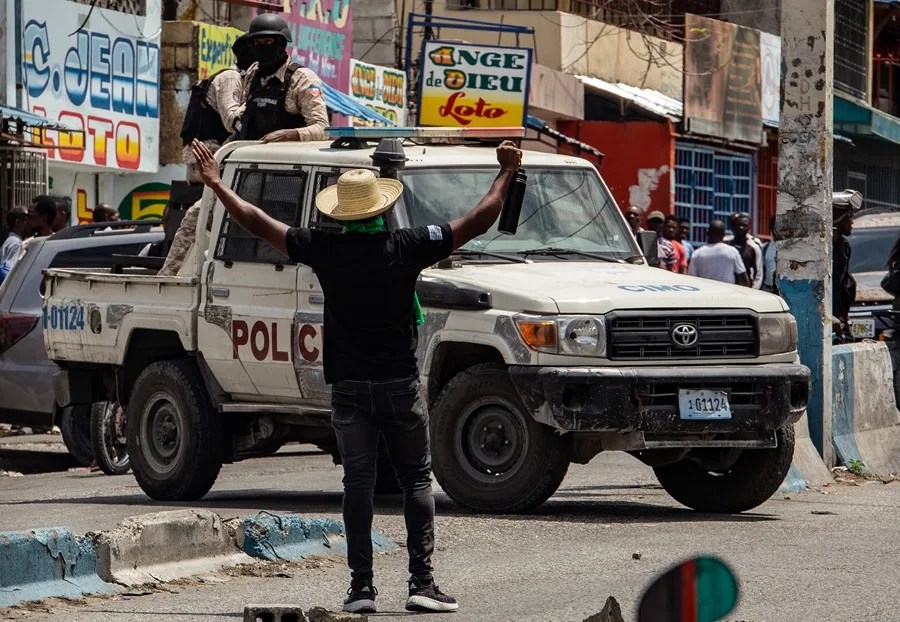
Haitian authorities assigned 24 magistrates to two specialized judicial units, one for mass crimes and one for financial crimes. U.N. monitors also found that officials had made progress coordinating the units’ work. A financial investigator could trace a payment back to someone who financed an attack without ever setting foot in the neighborhood. Evidence of who paid whom could spare a case from depending entirely on people who must go on living within reach of the men they accuse.
U.N. monitors recorded no progress during the quarter in four massacre cases. The killings took place in Grand Ravine in 2017, La Saline in 2018, Bel-Air in 2019, and Pont-Sondé in 2024. A 9-year-old who witnessed the Grand Ravine killings would be about 18 today. A magistrate taking that person’s testimony now would be asking an adult to recall what a child saw.
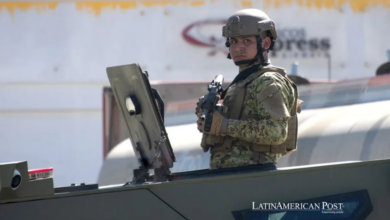
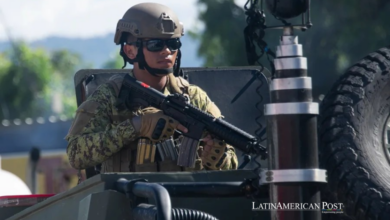
On October 18, four Salvadoran soldiers went missing after a gang ambush in the Santo area of Croix-des-Bouquets. They served with the multinational Gang Suppression Force. The U.N. Security Council authorized it in September 2025 to help the Haitian National Police combat armed gangs. Salvadoran President Nayib Bukele sent more than 2,000 troops to Haiti, citing the search for the four. The deployment came after the period covered by the death toll.
For four families in El Salvador, the wait for word began in October. In La Saline, families have waited nearly eight years for answers about the massacre. The new troops face a question Haitian police already know well. Once armed men have left a street, who can keep it safe for the people who live there? A magistrate asking a resident to identify someone involved in the killings has to think past the hearing. The witness still has to live on that street.