Brazil Voepass Crash Report Shows How Routine Risks Became Deadly
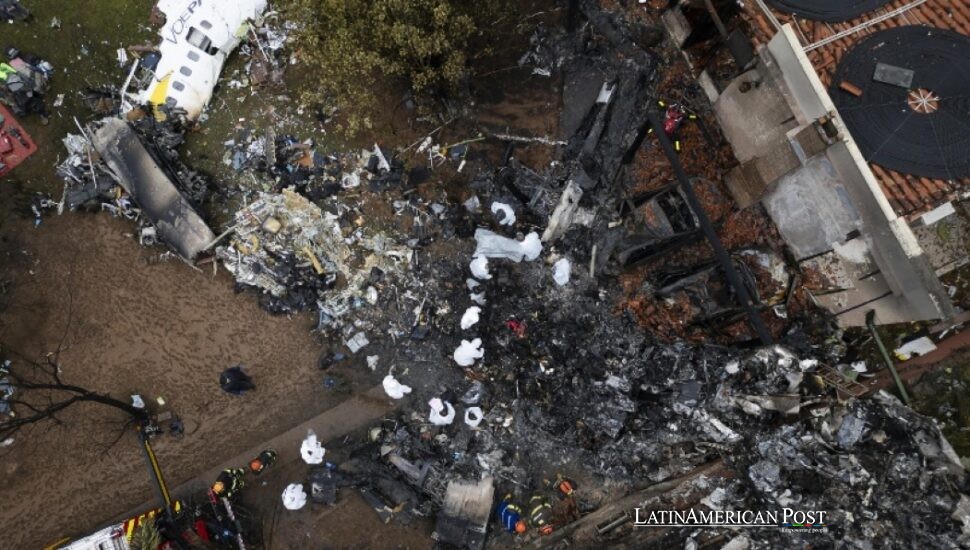
Brazil’s final Voepass crash report traces the deaths of 62 people to icing, maintenance lapses, cockpit failures and weak oversight, revealing how an airline’s normalized shortcuts can turn ordinary operational pressure into catastrophe long before an aircraft leaves the ground.
A Flight Cleared by Habit
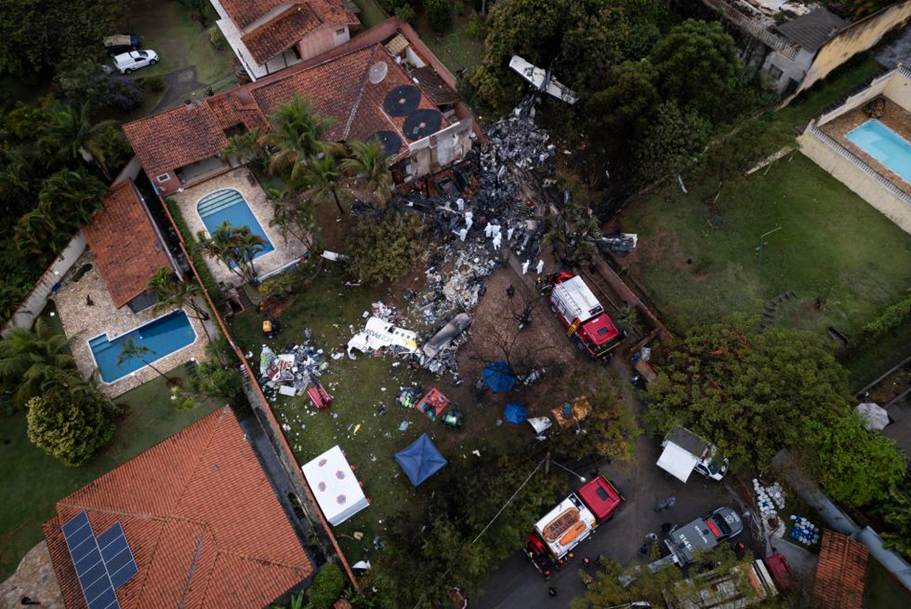
On Aug. 9, 2024, Voepass Flight 2283 lifted off from Cascavel for São Paulo’s Guarulhos airport, a domestic route linking Brazil’s interior to its economic core. Fifty-eight passengers and four crew members were aboard.
None survived.
The ATR 72-500 fell near Vinhedo, in the interior of São Paulo state. Public attention first settled on the aircraft’s descent and the weather. The final report from Brazil’s Center for Investigation and Prevention of Aeronautical Accidents, known as Cenipa, shifts the focus backward, into maintenance records, cockpit decisions and company habits.
Its findings describe not one dramatic failure, but a chain of tolerated irregularities. The aircraft was operated with a malfunction in its deicing system that was not formally recorded. The crew encountered severe icing, received repeated warnings that performance was deteriorating, and did not carry out prescribed procedures. Ice accumulated. Lift and control diminished. The airplane never recovered.
Cenipa also concluded that the flight should not have departed because the right windshield wiper was defective and rain was forecast. A broken wiper can sound trivial. Inside an aviation safety system, it is not. The importance lies in what the defect required and in the decision to fly anyway.
Investigators said that decision belonged to a wider workplace culture. Lieutenant Colonel Paulo Fróes described Voepass as normalizing practices outside established standards, relying on informality and failing to document defects in ways that kept aircraft operating. The bureaucratic wording carries a stark meaning: problems became familiar, familiarity made them seem manageable, and manageability was mistaken for safety.

The Thirty Percent Warning
The report’s most revealing number is not 62, though that is the number families will carry. It is 1,206.
Cenipa reviewed that many flights made by the aircraft between August 2023 and the crash. About 30 percent showed some occurrence. Roughly 360 flights, then, contained an incident, anomaly, or warning signal significant enough to enter the analysis.
The figure does not mean the airplane nearly crashed hundreds of times. It does show that irregularity was not rare. It had become part of the operating environment. In a healthy safety culture, repeated occurrences generate documentation, maintenance and management scrutiny. In a weak one, they become background noise.
Aviation depends on layers because no single inspection, warning light or person can carry the full burden of safety. The Voepass report describes several layers thinning at once. Maintenance did not formally capture a deicing failure. Company risk management did not prevent dispatch. Cockpit coordination faltered. The crew made decisions Cenipa deemed inadequate. Regulatory oversight did not identify the vulnerabilities soon enough.
This matters in Brazil, where regional airlines connect interior cities to São Paulo for work, medical care, family obligations and onward travel. For a small carrier, grounding an aircraft means canceled revenue, disrupted schedules and stranded customers. That pressure is real. It is also exactly why safety rules cannot depend on a company’s comfort with risk.
Across Latin America, informality is often praised as flexibility until it collides with a system requiring exact records. A mechanic’s spoken warning, a workaround known in the hangar, or an unresolved defect remembered by a few employees cannot replace a traceable maintenance process.
The findings also complicate the easy story of pilot error. Cenipa identified failures in crew response and cockpit coordination, but documented the organizational conditions around those decisions. Pilots act inside systems. When deviations become routine, the boundary between acceptable and unacceptable risk can blur long before a crew enters dangerous weather.
Oversight After the Impact
Cenipa did not confine its criticism to Voepass. It identified Brazil’s National Civil Aviation Agency, ANAC, as a contributing factor, concluding that its supervision and risk-management processes were insufficient to detect and control the airline’s operational weaknesses.
That finding reaches beyond one carrier. Regulators do not fly airplanes or sign every maintenance log, but they must recognize patterns that isolated inspections can miss. If nearly one-third of the reviewed flights contained some occurrence, the central question is when those signals became visible and who had the authority to connect them.
ANAC suspended Voepass operations in March 2025, seven months after the crash. Three months later, it revoked the company’s air operator certificate, ending its commercial flights. Those actions removed the airline from the sky. They also came after 62 deaths, which is why enforcement alone cannot close the case.
The Federal Police are still investigating whether crimes were committed. Cenipa’s inquiry is preventive and does not assign civil or criminal liability. That distinction matters. Accident investigators must identify failures without turning every technical conclusion into a prosecution. Yet prevention has moral weight only when its lessons change conduct.
For the families, the report cannot restore the ordinary future that boarded in Cascavel. It can reject the idea that the disaster began with a cloud or ended with a cockpit mistake. The crash was prepared over time, in undocumented defects, repeated incidents and decisions that kept the schedule intact.
That is the hardest truth in the Voepass findings. Catastrophe did not arrive as a stranger. It was assembled from familiar things, each one small enough to excuse, until there was no margin left.
Also Read: Guyana Ferry Disaster Reveals the Hidden Cost of Cheap Passage