Mexico Fentanyl Pipeline Exposes the Global Broker Behind Cartel Chemistry
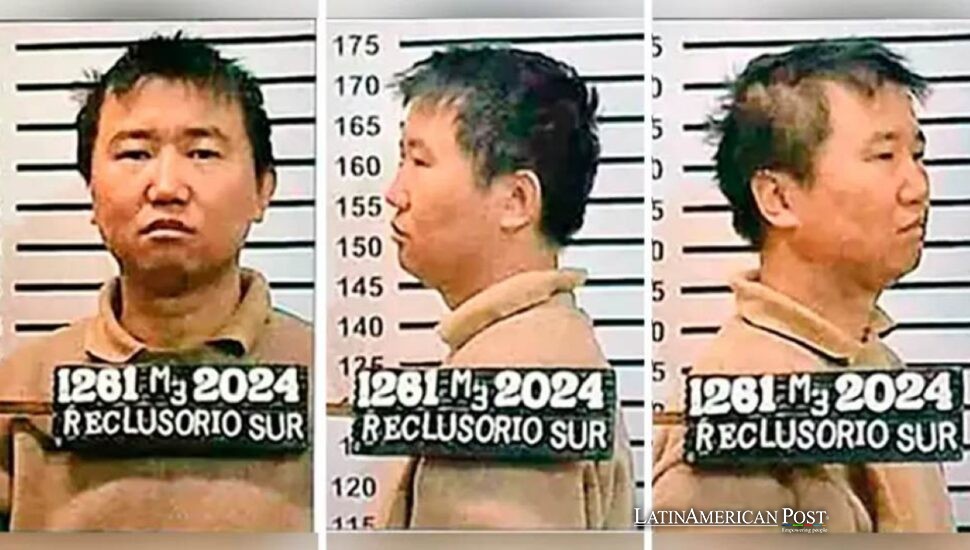
Inside Mexico’s fentanyl economy, one alleged broker linked Chinese chemical suppliers, Sinaloa laboratories, American money networks, and global laundering routes, revealing why arrests can shake illicit markets without dismantling the adaptable business architecture that keeps synthetic opioids flowing across borders.
The Broker Between Three Worlds
In a parked car outside Culiacán, Enrique laughed softly when he described the man cartel members called Brother Wang. The laugh carried recognition, the kind reserved for someone whose name once opened doors across oceans.
“Brother Wang was very important,” Enrique told the BBC. “He was number one.” BBC journalist Shawn Yuan reported the interviews and original quotations, using pseudonyms for cartel sources. Their accounts reveal fentanyl’s commercial machinery, though the allegations against Zhang Zhidong remain unproven. Zhang has pleaded not guilty.
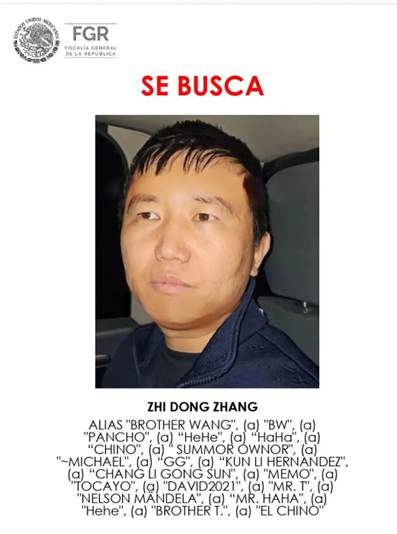
According to U.S. prosecutors, Zhang, a 39-year-old Chinese national, built a trafficking and money-laundering enterprise linking chemical manufacturers in China, drug laboratories in Mexico, and financial channels in the United States. Mexican authorities accuse him of handling more than 1,000 kilograms of cocaine, 1,800 kilograms of fentanyl, and 600 kilograms of methamphetamine, plus over $150 million in annual drug proceeds.
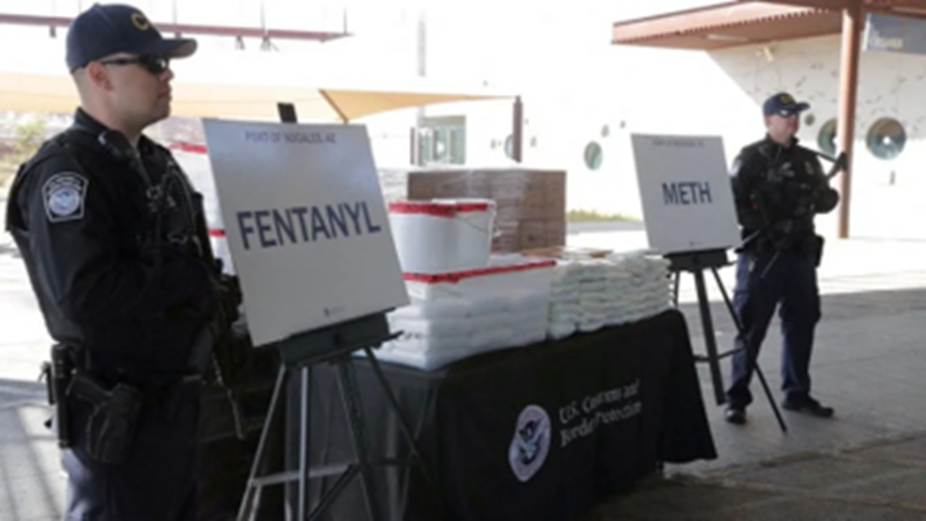
Those figures describe logistics as much as volume. Fentanyl is about 50 times more potent than heroin, so that huge revenue can move through comparatively small shipments of ingredients. The crucial figure is not always the gunman or laboratory boss. It can be the bilingual broker who understands customs paperwork, corporate banking, and informal exchange.
Zhang’s biography fits that role. He graduated from Peking University with a degree in Spanish in 2010, then moved to Mexico to work for a Chinese-owned iron ore company. A former colleague remembered him as resourceful, street-fluent, and comfortable with official and unofficial power. When the company collapsed, Zhang stayed.
Mexico’s extractive regions have long sat where formal commerce, political authority, and organized crime overlap. Negotiating those boundaries yielded trust, introductions, and knowledge of where regulation ended.
A Supply Chain Made of Human Pressure
The chemical route described by cartel sources begins in legal industry. China produces compounds used in pharmaceuticals, manufacturing, and other lawful sectors. A 2025 U.S. State Department report cited in Yuan’s reporting estimated that the country’s chemical industry includes roughly 160,000 companies. Even serious regulation faces a problem of scale.
Many ingredients are controlled but not banned because they have legitimate uses. A supplier may sell a legal chemical, a broker may route it through layers of companies, and a cartel may convert it into fentanyl in a hidden Sinaloa laboratory. Illegality sharpens as the product moves, while responsibility grows harder to trace.
Prosecutors say Zhang recruited people to open accounts for more than 100 shell companies. Cash collected in the United States could be deposited, wired onward, and moved abroad. Drugs travel north. Money must travel elsewhere without announcing what it earned.
In laboratories, the system looks less sophisticated and more brutal. Luis, another pseudonymous source, said he became a fentanyl cook after guarding a meeting where Zhang allegedly offered precursor chemicals. He recalled seeing at least five cooks die after toxic substances apparently entered gaps in their protective clothing.
Leaving was not an ordinary employment decision. Luis said his alternative was armed patrol. Cook or fight. The fentanyl economy absorbs workers through coercion, local scarcity, family ties, and fear.
Enrique acknowledged that a relative died of a fentanyl overdose. The death troubled him, but he returned to the fatalism of illicit work: “work is work.” Where the state is uneven, and criminal groups function as employers, moral injury and survival can occupy the same sentence.
Removing One Broker Leaves the Market Hungry
Zhang was arrested in Mexico in October 2024, placed under house arrest, and later escaped, reportedly through a hole in a wall. He flew to Cuba and then toward Russia, where forged documents were detected. Cuba returned him to Mexico, which extradited him to the United States in 2025.
After his removal, cartel sources said precursors became harder to obtain. Around the same time, the U.S. Drug Enforcement Administration detected declining fentanyl purity, consistent with indications that some Mexico-based cooks were struggling to secure key chemicals.
That suggests Zhang’s alleged reach was not instantly replaceable. He connected three regions and reportedly built channels capable of moving chemicals, finished drugs, and money.
Still, the market did not disappear. Victoria Dittmar of InSight Crime describes synthetic drug enforcement as a continuing cycle of adaptation. When one precursor is controlled, producers seek substitutes. When one route closes, another gains value. When one broker falls, rivals study the vacancy.
Tariffs, terrorist labels, and spectacular arrests can create political drama without resolving the economy beneath fentanyl. U.S. demand remains vast. Chemical production is globally dispersed. Mexican criminal groups retain laboratories, territorial power, and a workforce shaped partly by coercion and limited opportunity.
Brother Wang’s story is not only about an unusually connected man. It is about a market rewarding translation, mobility, and legal ambiguity. Zhang may have been exceptional, but the system that allegedly made him powerful is still recruiting.
In Culiacán, Enrique said another Chinese broker was already being discussed. He would not identify the person. Safety came first. The business, he suggested, had absorbed the shock and started rebuilding its route.
That may be the clearest measure of the fentanyl economy’s resilience. Remove the king, and the board remains.
This article is adapted from the BBC’s original report, “The Chinese graduate accused of being Mexico’s ‘fentanyl king’,” by Shawn Yuan.
Also Read: Nicaragua Votes on Nothing as Ortega Buries the Ballot Box