In Ecuador, Prison Gangs Send the Bill to Families Outside
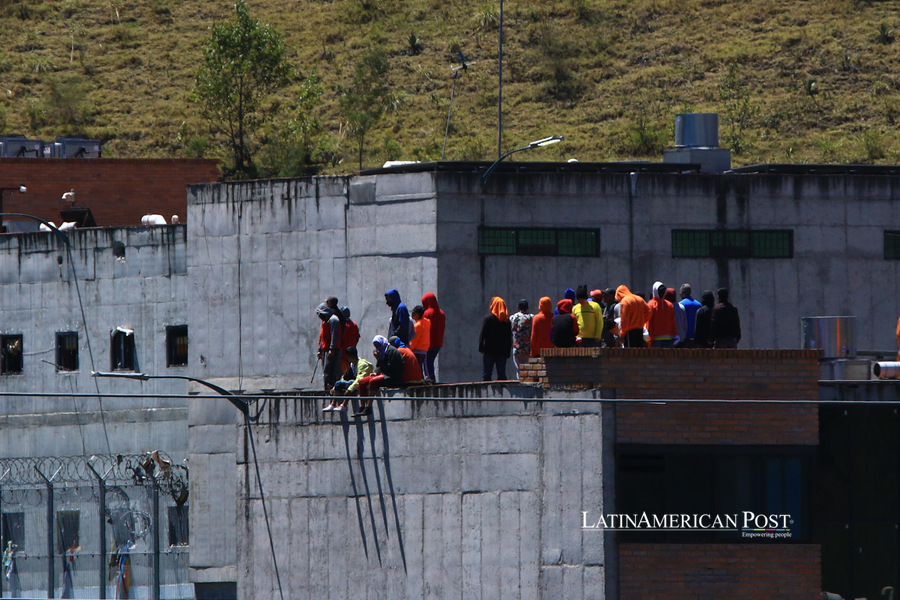
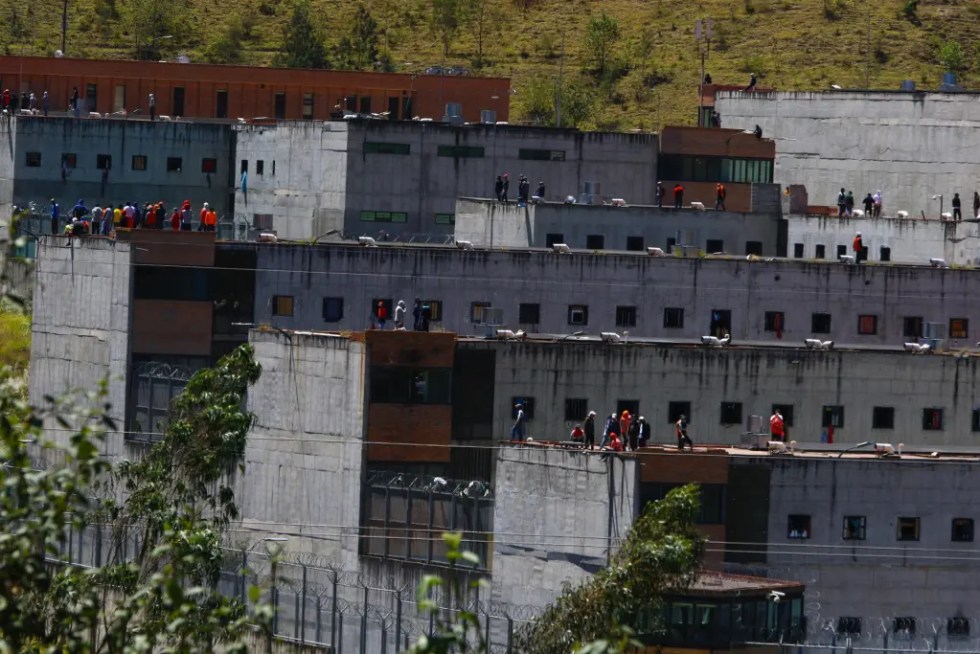
Ecuador sent soldiers into its prisons to break the gangs’ grip. At Guayaquil’s Litoral Penitentiary, two families told The Wall Street Journal what that grip meant in practice. Their sons could go hungry in custody if relatives could not pay.
A Mother at the Prison Gate
Benigna Domínguez brought food and medicine to the Litoral Penitentiary for her son. Guards turned her away. Inside, Santiago Hidalgo drank from a toilet tank. Some days the food he received was spoiled broth or rotten chicken. His mother could see his collarbone. “He was pure bones,” she told Ryan Dubé, whose original reporting and interviews for The Wall Street Journal documented how Ecuador’s prison gangs exercise power over inmates and the people waiting for them outside.
Hidalgo died in July 2025, eight months after he entered the prison. Domínguez said the gang had withheld food because he could not pay its fees. Soldiers had been deployed to Ecuador’s prisons the previous year. She wanted to know where they had been while her son was starving. At the gate, she had encountered officers with enough authority to turn away a mother carrying medicine. Inside, somebody else still decided whether her boy ate.
Another prisoner described his arrival at age 18 in 2023. The man who set the admission price for his cellblock was a gang boss known as the comandante. He wanted $150. The teenager had come into state custody without the money, but the comandante had a phone handy. The young man could call home. In that exchange lay much of the gang’s advantage. It could reach beyond the earning power of a prisoner to whatever his family could scrape together.
InSight Crime estimates that prison extortion in Ecuador generates $200 million a year. A bed and access to meals are among the things gangs sell to people who have no other place to sleep or eat. The money helps explain how an organization can afford to lose leaders to prison. An arrest can put one of its men in charge of a business whose customers arrive under government escort.
How the Cellblocks Became Gang Territory
Jorge Luis Zambrano understood the possibilities early. Arrested on murder charges in 2011, the leader of Los Choneros, named for the northwestern town of Chone, persuaded smaller prison gangs to join an alliance. As Ecuador grew more important to the international cocaine trade, Zambrano could call on men well beyond his own cellblock. By the time he left custody, he had built the country’s dominant criminal organization.
Government decisions helped him. Ecuador built three large prisons in 2013 and 2014, bringing thousands of men together just as tougher drug penalties were swelling the inmate population. World Prison Brief figures cited by Dubé put that population at 11,800 in 2010 and 38,000 in 2018. In eight years, it more than tripled. Later, as budgets fell, officials separated rival gangs to prevent killings. For the group left in possession of a facility, the immediate benefit was considerable. The state had removed its competition.
People outside paid for that arrangement. In 2019, a Litoral inmate brokered the killing of Riobamba city councilman Patricio Guaranga for $7,000. Prosecutors published a voice message in which the prisoner discussed the job with the assurance of a tradesman expecting payment. Eight days later, gunmen killed Guaranga. A prison sentence had put concrete between the broker and his victim without interrupting the transaction.
Zambrano was shot dead at a shopping mall in December 2020, months after his release. His alliance fractured. In 2021, rival factions killed a record 331 prisoners. The danger in a system that relies on a gang leader to keep order becomes clearest when he dies. The state still owns the buildings. The men who survive him fight over the beds, the fees and the right to give orders from inside.
What Soldiers Can Hold
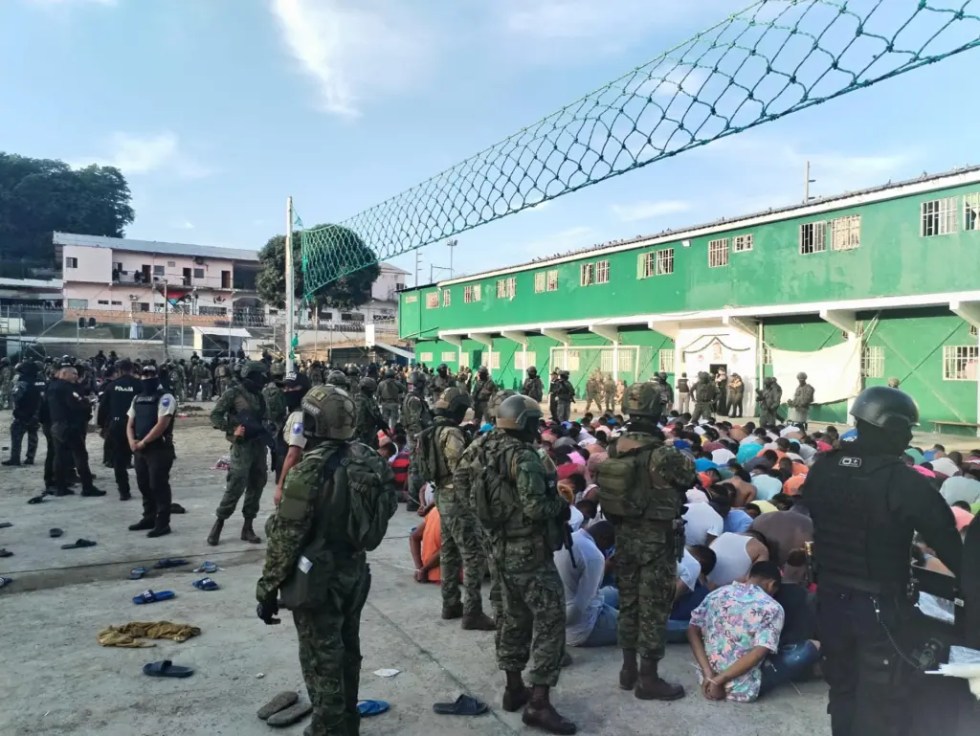
President Daniel Noboa deployed troops in 2024 and later opened El Encuentro, an 800-bed maximum-security prison intended to isolate crime bosses. The government says it will build another facility for 15,000 prisoners. Yet at least 206 inmates were killed in 2025, Ecuador’s most violent year on record. John Henry Murdy, a University of Chicago researcher interviewed by Dubé, said military intervention and transfers disrupted gang hierarchies and set off fresh contests for control.
The government plans to return oversight to the penitentiary agency, hire retired police officers and military personnel, and separate violent prisoners from those held for lesser offenses. It also wants equipment to block cellphone signals. Former prison official Alexandra Zumárraga gave Dubé two figures that explain the difficulty. A staff member earning $900 or $1,000 a month might be offered $5,000 to $10,000 to bring in one phone. Even the smaller offer amounts to five months’ pay for the better-paid employee.
For a family in Guayaquil, a more immediate test of reform is whether a meal reaches the person it was prepared for. Paul Zamora, 35, was jailed for drug possession at the Litoral. His family could not afford the extortion payments. Deprived of meals, he developed severe malnutrition, tuberculosis and scabies. He died in February after suffering cardiac arrest.
His father, Ricardo, remembered Paul asking him to get him out. “We didn’t know what to do,” he told Dubé. The phone call placed an impossible responsibility on a parent. A father outside the walls could neither open the gate nor make sure his son got dinner. Ecuador will know it has recovered some authority inside the Litoral when a prisoner can sit down to eat without first asking his family for money.
Editor’s Note: This article was adapted from original reporting by Ryan Dubé in The Wall Street Journal, titled “The Unstoppable Prison Gangs Transforming Ecuador Into a Narco State.” All credit for the original reporting, interviews, and findings belongs to Ryan Dubé and The Wall Street Journal.