Colombia Shuts Iran’s Diplomatic Door While Opening Others in Washington and Jerusalem
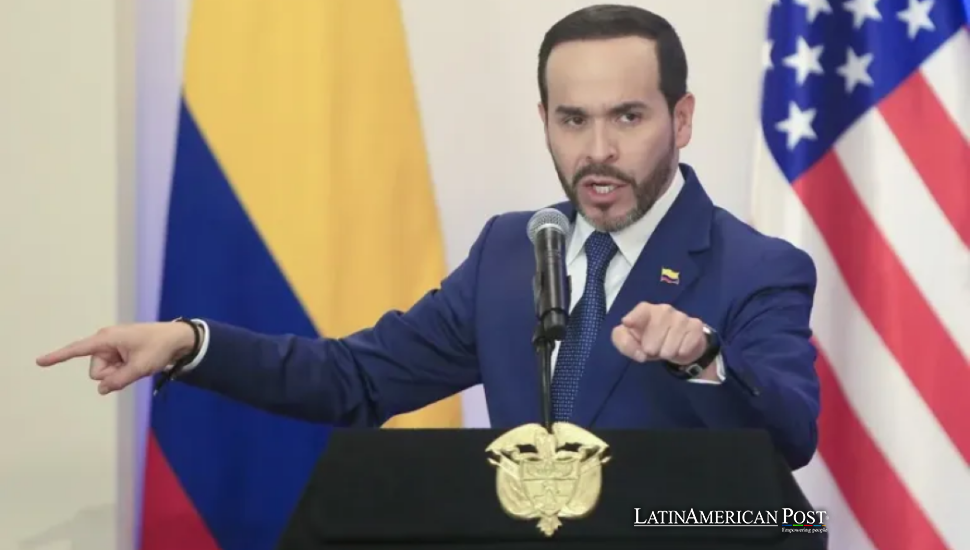
Colombia’s break with Iran sharpens its alignment with Washington and Israel while preserving consular ties. The rupture raises questions about security cooperation, economic exposure and how much diplomatic flexibility Bogotá retains when its partners’ priorities reach beyond Colombia’s own borders.
The Door Left Open
For a Colombian in Iran needing a passport or urgent assistance, the distinction is not diplomatic hair-splitting. Bogotá has severed political relations with Tehran but says consular ties remain. The governments are stepping apart without formally dismantling the channels intended to help their citizens.
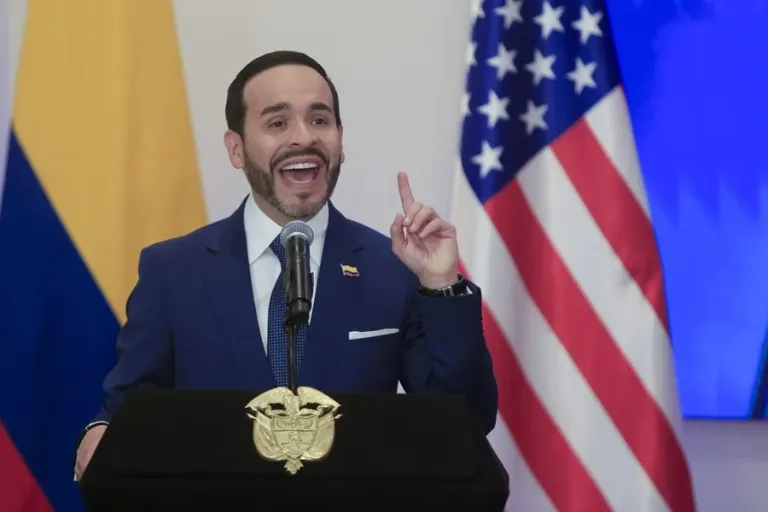
The Foreign Ministry announced the rupture September 24, five days after it took effect. President Abelardo de la Espriella’s administration described the decision as part of its approach to national and hemispheric security and transnational crime, according to the statement reported by EFE.
The relationship began April 28, 1975, more than 51 years ago. It predates Gustavo Petro’s presidency by 47 years. Ending it therefore dismantles a connection maintained across successive governments, not simply an initiative inherited from the administration De la Espriella replaced. The diplomatic footprint was already unequal: Iran maintained an embassy in Bogotá, while Colombia handled Tehran through its embassy in Turkey. The rupture withdraws a political channel without closing a Colombian embassy physically located in Iran.
Consular continuity has a legal basis. The 1963 Vienna Convention explicitly separates the severance of diplomatic and consular relations. But preserving the latter does not settle practical arrangements. Colombia’s protocol office still has to communicate the procedure to Iranian authorities. A surviving legal relationship and an accessible service are different things.
Washington’s Weight
The decision fits a wider reversal. Petro broke relations with Israel in May 2024 over its military offensive in Gaza. De la Espriella’s incoming administration agreed in July to restore them and announced a Colombian embassy in Jerusalem. His government has also deepened cooperation with Washington.
Jerusalem adds another layer. Restoring relations permits ordinary diplomatic engagement; locating an embassy there takes a position in a longstanding international dispute. The United Nations Security Council’s Resolution 478 called on states with diplomatic missions in Jerusalem to withdraw them. The announced location thus carries significance beyond reversing Petro’s decision.
Washington’s economic weight helps explain the stakes without establishing the government’s motives. DANE’s preliminary figures show that the United States bought $14.9 billion in Colombian goods in 2025, representing 29.6% of merchandise exports. Almost three of every ten export dollars came from that market.
Within that total, unroasted coffee accounted for about $2.3 billion. Washington is therefore more than a security partner or a presidential destination: it is a market connected to Colombian farms. Preserving commercial access matters independently of whether Bogotá maintains political relations with any third country.
Those figures predate the rupture. They demonstrate the importance of the U.S. relationship, not that cutting ties with Iran was necessary to preserve it. The ministry’s announcement identifies neither a new trade concession nor additional American assistance secured in exchange.
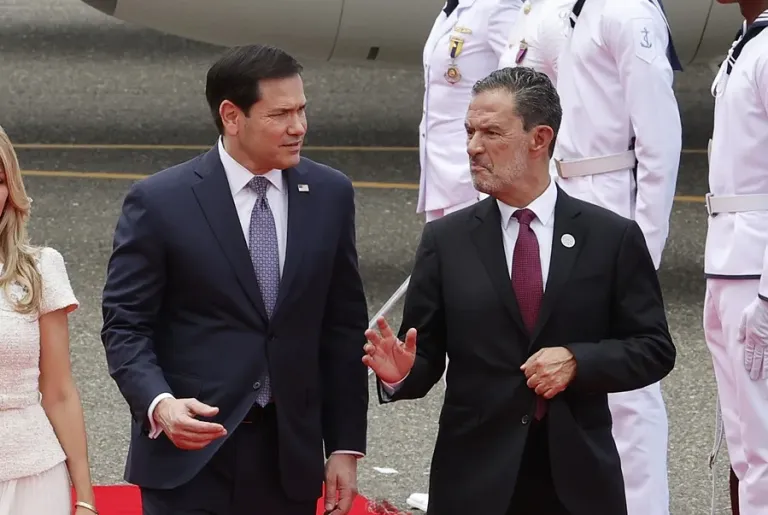
During his September 8 visit, Secretary of State Marco Rubio described the help Colombia sought as intelligence, equipment and specialized training, rather than American troops, according to Associated Press reporting. Those are concrete areas where closer cooperation could matter for Colombian security.
The potential trade-off is diplomatic flexibility. Agreement with Washington can simplify cooperation on shared threats, while fewer direct channels to its adversaries can make Colombia more dependent on intermediaries when interests diverge. Greater access to one government does not replace access to another.
The ministry alleges Iranian links to terrorist and drug-trafficking organizations, alongside human rights violations, attacks on countries outside the Middle Eastern conflict and obstruction of international nuclear inspections. Its communiqué does not name a Colombian criminal network or disclose operational evidence connecting one to Tehran.
That distinction matters in a country confronting armed criminal organizations. Diplomatic rupture expresses a security assessment. Disrupting financing or weapons supplies would require identifying specific transactions and networks. The announcement alone cannot establish that such activity has been interrupted.
Israel’s ambassador, Vivian Aisén, welcomed the decision. In remarks reported by EFE, she said it would “help strengthen the security of the Colombian population.” Her response identifies the security benefit Israel anticipates, rather than a result already demonstrated.
The ministry also cited the blockade of the Strait of Hormuz. The economic connection to Colombia extends beyond bilateral trade: in 2024, before the current disruption, approximately 20 million barrels of oil passed through the strait daily, equivalent to about 20% of global petroleum liquids consumption, according to the U.S. Energy Information Administration.
Colombia exported $12.5 billion in petroleum and related products in 2025, roughly one-quarter of its merchandise exports, DANE reports. A supply shock that raises oil prices can lift export receipts while increasing energy and transport costs elsewhere. The effects need not reach an oil producer and a household in the same direction.
Political distance from Tehran cannot insulate Colombia from globally traded commodities. Nor does closer alignment automatically determine how Bogotá would respond to a future request from its partners. Diplomatic support, intelligence cooperation and participation in military operations remain separate commitments.
For now, the rupture changes Colombia’s formal relationship with Iran and which governments welcome its position. Its practical consequences will emerge through subsequent agreements and administrative decisions. For any Colombian needing help in Iran, the immediate question remains simpler: who will answer, and through which channel?
Also Read: Mexico Grows Older, With More Homes but Fewer People Under Each Roof