In Colombia, Five Presidential Confidants Link Faith, Finance, Oil and Artificial Intelligence
Five men close to Colombia’s president connect guerrilla history, economic administration and digital banking. Their different roles reveal how Abelardo de la Espriella distributes responsibility and access, from a preacher without public office to an entrepreneur advising on artificial intelligence.
An Adviser Without a Title
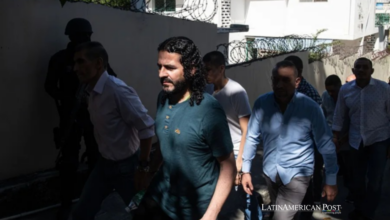
Carlos Alonso Lucio has no government position. He still has the president’s ear. The former guerrilla, legislator and current Christian preacher illustrates something a cabinet directory cannot fully explain: influence can travel through a relationship rather than an appointment.
A portrait of five men close to De la Espriella highlights a network that extends beyond his ministers. Two hold senior executive office, the vice presidency and Interior Ministry. The others occupy a corporate boardroom, provide technology advice or counsel the president without an official post. Their responsibilities are not interchangeable.
Lucio, 61, joined the M-19 in the 1980s, the guerrilla organization to which former President Gustavo Petro also belonged. After demobilization, he entered Congress, serving in both chambers before fleeing to Cuba amid a judicial case, EFE reports. He later became a preacher and promoted a referendum intended to prevent LGBTQ+ couples from adopting.
That trajectory complicates a straight line from Colombia’s insurgent past to its present political divisions. A shared guerrilla organization did not leave Lucio and Petro with the same political commitments. Lucio subsequently became an early supporter of the president who succeeded Petro.
His documented campaign against adoption by LGBTQ+ couples supplies a specific example of his social agenda. His access to the president does not establish that every position he holds will become government policy. Informal advice remains different from a signed decision, even when the person offering it is trusted.
From Campaign to Company Board
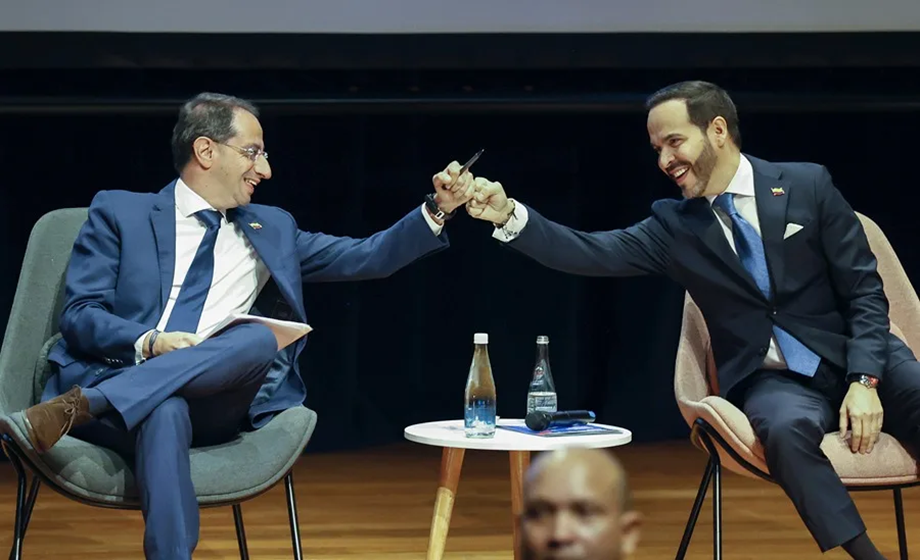
Vice President José Manuel Restrepo arrived through universities and economic administration. He previously led the finance and commerce ministries under Iván Duque and served as a university rector. He left academia earlier this year to become De la Espriella’s running mate.
The portfolio has expanded beyond that electoral partnership. EFE reports that Restrepo handles much of the international engagement, economic coordination, bureaucracy reduction, artificial intelligence agenda and foreign investment effort, while the president concentrates on domestic politics.
Those assignments place several stages of an investment proposal near the same office: attracting a business, addressing administrative obstacles and coordinating economic policy. Their overlap could simplify contact for investors. It does not transfer every ministry’s responsibilities to the vice president or establish how disagreements between agencies are resolved.
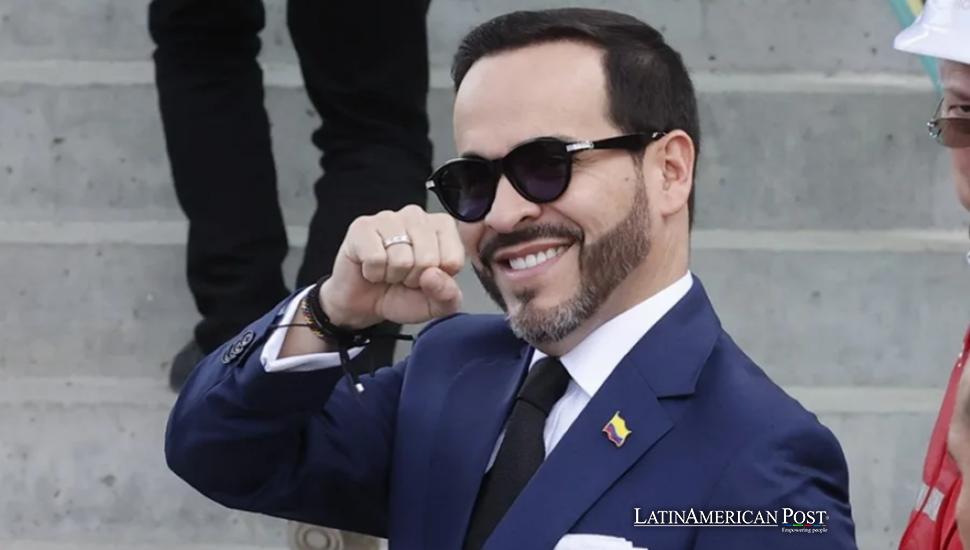
Carlos Suárez brings a different kind of continuity. The 57-year-old strategist has known De la Espriella for more than two decades, dating to their work as criminal lawyers. He helped found Defensores de la Patria and developed campaign messaging around firm action against crime and religious symbols.
He declined a cabinet position but accepted the chairmanship of Ecopetrol’s board. EFE describes his professional background as lacking economics training and energy-sector experience. The appointment places a longstanding political confidant in corporate oversight rather than day-to-day executive management.
The distinction matters. A campaign strategist organizes a message around a candidate; a company board considers decisions affecting an institution. Friendship explains the length of their connection, but it does not document the reasoning behind any particular investment or board vote. Those would have to be assessed through the decisions themselves.
The Past Meets the Algorithm
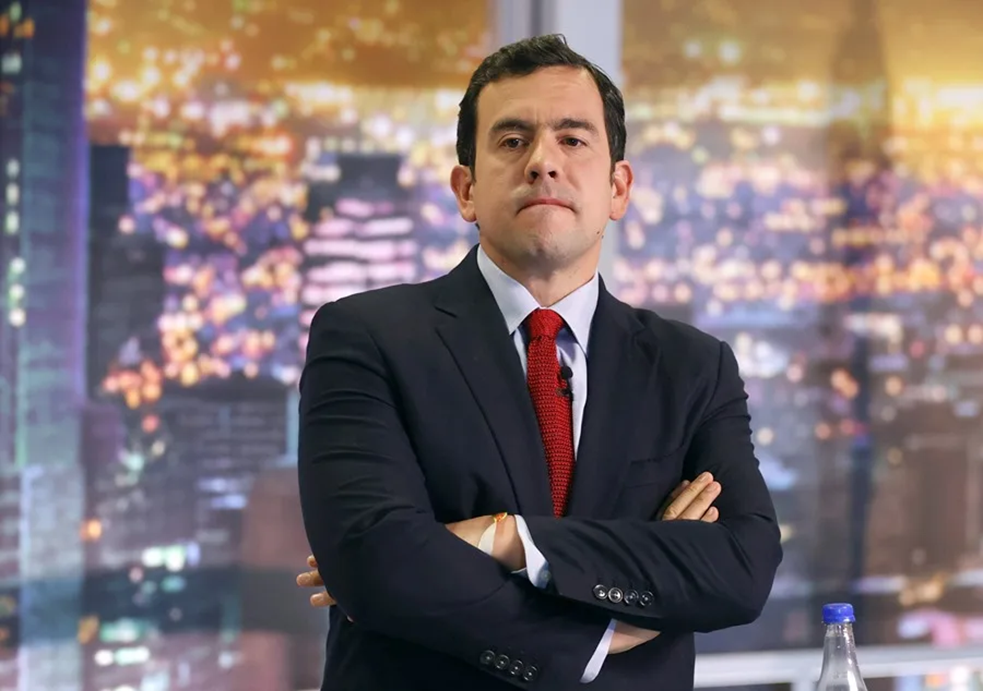
Interior Minister Rodrigo Lara Restrepo carries a family name marked by violence. His father, Justice Minister Rodrigo Lara Bonilla, was assassinated in 1984. The son, now 51, has served in both congressional chambers with Cambio Radical and directed a presidential anticorruption program between 2006 and 2007 under Álvaro Uribe.
De la Espriella introduced him as an “anticorruption czar,” EFE reports. The agency also identifies him as the only minister authorized to make regular statements to the media. That gives him two distinct roles: pursuing an assigned agenda and explaining the administration publicly. The label describes a mandate, not a finding that corruption has been reduced.
David Vélez’s encounter with Colombian violence came in childhood. His family left when he was nine. Stanford, Goldman Sachs and Sequoia Capital followed before he founded Nu in Brazil. He has now joined the presidential circle as principal adviser on artificial intelligence.
The digital bank exceeds 135 million customers, according to EFE’s reporting. That measures commercial reach, not the number of Colombians an eventual public technology program would serve. It provides context for his experience operating at scale without supplying a government budget, implementation schedule or assessment of public needs.
Vélez also sits on OpenAI’s boards, an appointment the company confirmed. His banking and technology connections intersect with Restrepo’s AI responsibilities. One brings executive coordination; the other, corporate experience. The reporting does not specify where their respective authority begins and ends.
The overlap also creates a distinction between scale and purpose. A bank organizes technology around financial customers; a national government decides which public needs to address and how to include people outside the digital system. Applying commercial experience to government therefore involves choices about access, oversight and accountability, not simply reproducing a company’s successful customer growth strategy.
Lucio’s guerrilla years, Lara’s murdered father and Vélez’s childhood departure belong to different experiences of the same country. All now coexist with discussions of investment and algorithms. The administration’s future is being considered by men carrying markedly different pieces of Colombia’s past.
Also Read: Colombia Shuts Iran’s Diplomatic Door While Opening Others in Washington and Jerusalem